APP vs. SBS Roof Membranes

When installing a new roof system, there are two main types of modified bitumen roofing membrane to choose from: APP membranes and SBS membranes. These two types of membranes have different applications and characteristics, which we’ll explore in this blog post.

What are APP and SBS Membranes?

APP and SBS membranes are different types of modified bitumen roofing membranes. To create these variations, other materials are combined with the modified bitumen base to produce different properties.

  • APP membranes are plastomeric and contain atactic polypropylene, a type of plastic that makes the membrane more rigid once applied.
  • SBS membranes are made using styrene-butadiene-styrene, a type of synthetic rubber. SBS membranes are elastomeric, making them more flexible than their APP counterparts

APP and SBS membranes started being used widely in the United States in 1978 after originally being developed in Europe. Fast-forward to the 1990s, and Polyglass became the first company to develop these high-quality self-adhered APP and SBS membranes thanks to its revolutionary ADESO® Technology.

SBS Membranes

Installing APP and SBS Membranes

SBS membranes can be applied by heat-welding, hot-mop, cold-process adhesive, self-adhering membranes and can also be mechanically attached. APP membranes can be heat-welded or ADESO self-adhered.

Heat-welding involves heating the membrane with a hot air welding gun until the compound starts to melt and then adhering it to the roof’s surface. APP and SBS membranes have slightly different reactions to this process. APP membranes melt at higher temperatures, giving them a more fluid consistency and making them easier to work with. SBS membranes have a lower melting point but become stickier when exposed to sufficient temperatures.


These different characteristics make APP, and SBS membranes have different advantages regarding how they are used. APP membranes are used more often on smaller roofing areas because they flow more easily. SBS membranes can tolerate much lower temperatures, making them ideal for cold-weather areas. They also take less time to install and last longer.

Self-adhered membranes can be installed quickly and easily without the need for unsafe techniques such as torch application. Instead, sheets of self-adhered membranes have adhesive bottom layers that can be fixed to the roof in overlapping layers. Polyglass’ ADESO Self-Adhered Technology is a great example of these types of membranes.

Polyglass APP and SBS Membranes

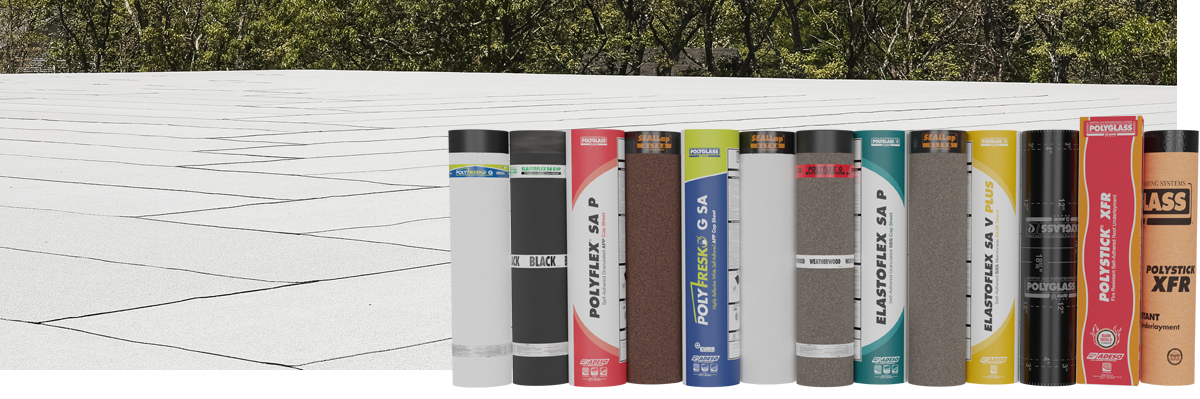
Polyglass’ innovative ADESO Self-Adhered Technology is featured in our industry-leading APP and SBS membranes. These membranes feature a dual-compound top layer facing the weathering side and a powerful adhesive bottom layer for easy and effective application.

Pioneering technologies such as FASTLap® and SEALLap Ultra® help create strong seams to yield a completely watertight roofing system. Polyglass’ range of specialized APP and SBS membranes has been developed over decades of experience. Let’s take a closer look at two of Polyglass’ most innovative membranes.

Polyfresko APP and SBS Membranes

Polyglass’ range of Polyfresko APP and SBS membranes feature CURE Technology®, which provides a highly reflective surface for excellent protection from ultraviolet rays. The Polyfresko range is available as both self-adhered and heat-welded membranes.

Elastoflex SA P Polar Base and Cap Sheets

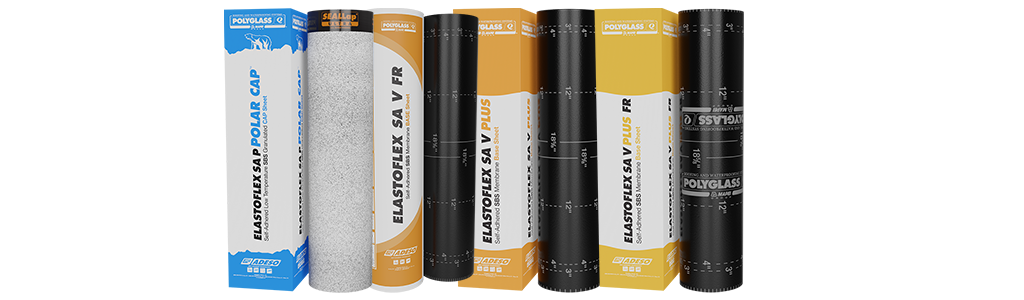
For any roofing projects in cold weather environments, Polyglass’ Elastoflex SA P Polar Base and Cap Sheets are an ideal membrane choice. These self-adhered SBS membranes feature high-performance fiberglass reinforcement to create a stable and insulated roofing system.

Browse our extensive range of high-quality APP membranes and SBS membranes, and for more tips on commercial roofing, be sure to sign up for our newsletter below.

Membranes for Cool Roof Systems

A cool roof system is designed to reflect the ultraviolet radiation from the sun’s rays. When UV rays penetrate a building, it can cause excess heat to build up within the interior, making air conditioning systems work harder to compensate. Cool roofs are also designed to stop energy from escaping the building, which is one of the main causes of energy waste for a building. These functions help improve efficiency and reduce energy bills whilst keeping the interior climate cool during the hotter parts of the year.

Because they are more energy-efficient than standard roofing options, cool roof systems are becoming increasingly popular in the roofing industry.

In this post, we’ll explain how cool roof membranes work and how they can benefit your clients. We’ll also introduce you to our line of modified bitumen membranes that use Polyglass’ Kool Roof Solutions.

Table of Contents

What is a Cool Roof Membrane?

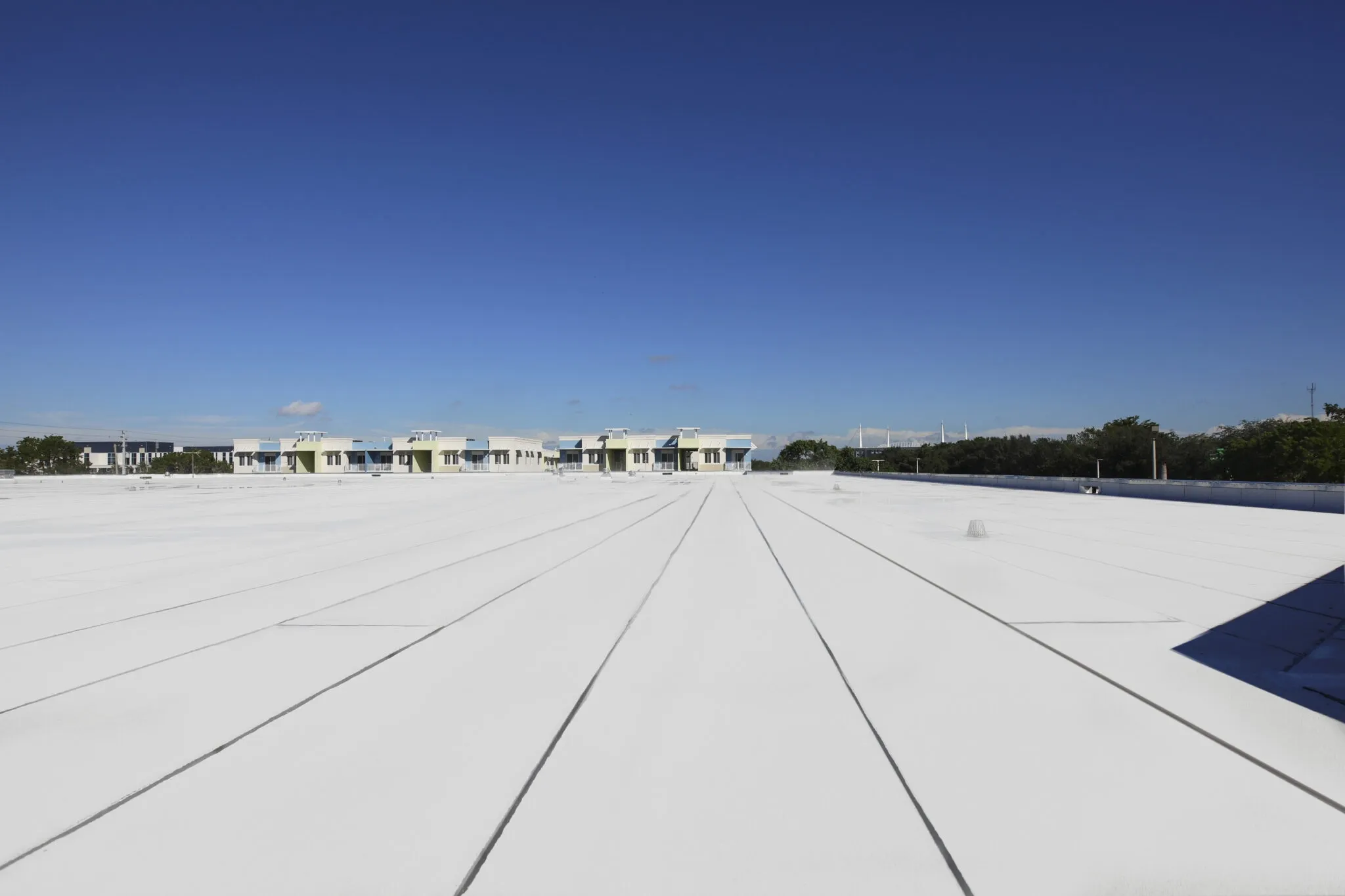
From the early methods used on the white roofs of the Mediterranean, modern cool roof technology has progressed exponentially. Cool roof membranes are now one of the most common types of cool roof technology. These products usually consist of rolls of modified bitumen membranes that have been specially designed to reflect solar energy and prevent excess heat from escaping through the roof.

These energy-saving membranes can be applied in various ways, with the most common methods being heat-welding or using self-adhering membranes. Heat-welded membranes are essentially welded onto a roof frame with a hot air welding gun. Self-adhering membranes are applied using powerful adhesive bottom layers instead.

Cool roof membranes typically feature a specially designed surface that offers maximum reflectivity. In most cases, this is done using bright white or other light colors as the finish on the top of the sheet whilst building up at least two layers of membrane. This helps to reflect sunlight much more efficiently than a darker-colored roof. These membranes work best on low-sloped roofs and offer more protection than single-ply or single sheet methods.

Energy Ratings

Several organizations and rating systems exist to rate cool roof products. Authorities such as the Cool Roof Rating Council (CRRC) and performance standards such as the Solar Reflective Index (SRI) are some of the main rating systems.

  • Cool Roof Rating Council: This non-profit organization was founded in 1998 with the mandate of creating several credible evaluation methods that help categorize and label the efficiency of cool roof membranes products. The CRRC standards rank membranes based on their ability to reflect solar energy and how much thermal energy they emit.
  • Solar Reflective Index: Often abbreviated to “SRI,” is an established method of calculating how much ultraviolet radiation from the sun that a roof can reflect. A higher SRI score between 70 and 80 means that a roof can repel more solar energy, allowing the roof to maintain a cooler overall temperature. Standard dark-colored roofs have low SRI scores of 20 or under, meaning they reach much higher temperatures when exposed to direct sunlight. Some non-cool roofs can experience temperatures up to 100°F higher than the actual ambient temperature. Dark-colored roofs force a building’s power system to use more energy for air conditioning.

Benefits

Installing cool roof membranes can bring several benefits to most roofing situations faced by your clients. That said, clients located in hotter regions such as California or Florida will see much more positive impacts from cool roof systems than those situated in colder areas like Minnesota or Wisconsin. Here are the key benefits of these materials:

1. Better for the environment

Cool roof membranes help reduce the amount of heat produced by a building, which in turn helps to reduce global warming. The energy saved by having an energy-efficient roof lessens the need for more power, which results in fewer greenhouse gases being produced by power plants. A reduction in the amount of heat expelled from a roof can also positively affect the air quality of the surrounding area.

2. Energy efficiency

A building’s roof is a key area where energy is often wasted, either through the heat that escapes or from energy from the sun that penetrates the roof. Dark-colored roofs are the worst culprits, causing poor energy efficiency in a building. Cool roof membranes can help increase a roof’s energy efficiency by preventing the heat transfer out of the roof and reflecting sunlight that tries to penetrate the surface.

3. Reduced energy bills

Cool roof membranes can also help to lower a building’s energy bills. If the heat from the sun penetrates the roof, internal building temperatures will rise. This forces the air conditioning system to use more power to combat the heat. Equally, the more heat that escapes through the roof, the more energy is used to keep the building warm. Cool roof membranes help negate both of these issues, reducing the amount of energy your clients get billed for.

Polyglass’ Kool Roof Solutions

Polyglass USA is one of the world’s leading roofing manufacturers, bringing over 50 years of knowledge and experience to their Kool Roof Solutions line-up. This specialized range of roofing products, including Polyglass’ Polyfresko membranes, utilizes industry-leading technologies like CURE Technology® to optimize energy efficiency and solar reflectivity.

We’ll explore CURE Technology more below, as well as delving into Polyglass’ patented range of Kool Roof modified bitumen membranes:

CURE Technology

Polyglass’ patented CURE Technology is an advanced film coating that combines industry-leading reflectivity scores with a durable granulated surface that will last for years. Kool Roof modified bitumen membranes that feature CURE Technology offer improved surface reflectivity and are solvent-free and environmentally friendly.

Polyfresko Membranes

Polyglass’ lineup of Polyfresko APP and SBS modified bitumen membranes have incredible SRI scores of 96 when first installed and still boast a score of 86 after three years. These versatile Kool Roof membranes use CURE Technology to provide outstanding durability and solar reflectivity.

Polyfresko membranes are also available in both self-adhered and heat-welded versions, giving you great versatility when it comes to installation. Heat-welded membranes include the Polyfresko® G SBS and Polyfresko® G SBS FR, which includes extra fire-retardant properties.

The self-adhering membranes in the Polyfresko range, such as the Polyfresko G SA APP cap sheet, use Polyglass’ patented ADESO® Self-Adhered Technology. This allows for quick and easy installation and exceptional watertight seams, thanks to innovations such as FASTLap® and SEALLap® Ultra.

Cool Roof Membrane Case Studies

Here are two examples of Polyglass’ Kool Roof Solutions being deployed on client projects undertaken by our valued contractor customers, helping you see the benefits of utilizing our cool roof membranes.

Air-Sea Forwarders Warehouse

California’s Air-Sea Forwarders Warehouse enlisted contractor Wilson Pacific Roofing to replace their existing 34,000 square foot roof. For Wilson Pacific, the first and only choice for the intense California sun was Polyglass’ Polyfresko G Kool Roof Solutions membrane.

The Polyfresko range meets California’s Title 24 regulations, providing industry-leading solar reflectivity with a durable roofing system that should last for at least 12 years. A Polyflex APP base sheet was applied on top of a glass base.

Wilson Pacific then installed a Polyfresko G cap sheet, which utilizes CURE Technology to create a highly reflective roofing system with unrivaled UV stabilization, fully meeting the client’s demands.

Wildwood Middle and Upper School

Due to planned improvement work, Wildwood Middle and Upper School in Los Angeles, California was recently in need of a roofing revamp. Once again, Wilson Pacific Roofing was drafted in and immediately turned to Polyglass’ Polyfresko range.

The new roof had to be durable and long-lasting and cope with the strong California sun. Wilson Pacific installed a two-layer Polyfresko G roofing system, with a Polyflex APP modified bitumen membrane being welded straight onto the roofing deck first.

A highly reflective Polyfresko G cap sheet was then installed on top. This created a durable roofing system that utilizes CURE Technology to deliver an outstanding SRI score of 96, keeping the school cool for its occupants whilst reducing energy bills.

Contact us today to learn more about Polyglass’ innovative Kool Roof Solutions.

What is a Self-Adhered Membrane?

Self-adhered membranes have revolutionized the roofing industry in recent decades, but what exactly are they, and how do they work?

In this post, we’ll explain exactly what a self-adhered membrane is and how this technique differs from other types of membranes. We’ll also take a look at the history of self-adhered membranes and delve into their benefits as a roofing system.

What is a Self-Adhered Roofing Membrane?

Often used on low-slope roofing, self-adhered modified bitumen roofing membranes contain an adhesive bottom layer that sticks the membrane onto the roofing surface.

There are two main configurations of modified bitumen membranes used in the industry: APP membranes and SBS membranes. Within these two types, extra components are added to the modified bitumen base to enhance certain characteristics.

APP membranes contain atactic polypropylene plastics within their construction. This makes them more rigid compared to SBS membranes, which contain a type of synthetic rubber known as styrene-butadiene-styrene.

Polyglass is an industry-leading innovator of self-adhered roofing membranes and underlayments. These products utilize advanced technologies such as ADESO® Self-Adhered Technology and innovations such as FASTLap and SEALLap Ultra. We’ll explore these in more detail later on.

The History of Self-Adhered Membranes

The roofing industry has undergone several drastic changes since the turn of the 20th Century. Initially, roofs were laid using asphalt and pitch, which gave off extremely unpleasant odors and toxic fumes during installation.

During the 1970s and 1980s, modified bitumen began to displace older materials. Modified bitumen was easier to use and could be applied directly to the surface of the roof. However, it still suffered from producing harmful fumes and posing safety risks due to torch application.

Self-adhered membranes began to emerge in the 1990s thanks to pioneers like Polyglass, who unveiled a patented innovation called ADESO Self-Adhered Technology. This development set the standard for self-adhered modified bitumen membranes, which are now increasingly common across the roofing industry.

Polyglass has continued to develop ADESO technology for decades and now offers a huge range of self-adhered membranes and underlayments bolstered by further innovations such as FASTLap® and SEALLap® Ultra.

Button CTA

Self-Adhered vs. Membrane Application Methods

Self-adhered membranes differ from other types of roofing membranes due to the methods used during installation. Rolls of self-adhered membrane sheets are spread across the roof in overlapping layers and sealed in place using an adhesive layer on the bottom of the sheet. No dangerous tools, such as open-flame torches, are required.

The other main application method for laying a roofing system is heat-welded application. This is often used for both APP and SBS membranes. The membrane roll is heated using a torch with an open flame and then laid onto the roof. The membrane is fused to the roof as certain compounds within the sheet melt to provide an adhesive layer.

The torch application method involves risks. A naked flame can be dangerous to both occupants and workers and requires a form of gas, which presents a fire risk. This process also often creates toxic fumes, which can be hazardous to the environment.

Another technique used to install a roofing system is the cold-applied adhesive method. This technique doesn’t require the use of a naked flame. Instead, a solvent or water-based liquid product is applied to the roof. As the liquid evaporates, the material cures to form a sealed layer on the roof.

This method removes the need for open flames and reduces the toxic fumes given off during a torch-applied installation. However, cold-process methods can be fiddly and do not suit certain climates or roofing layouts.

The Benefits of Self-Adhered Membranes

Compared to other application methods, self-adhered roofing membranes have several benefits that make them an ideal choice for most roofing projects.

1. Cost-effective

The initial labor costs are lower because self-adhered membranes are much quicker and easier to install than torch-applied membranes. Self-adhered membranes also cost less over the long term as they will need to be repaired and replaced less often than torch-applied membranes.

Some building insurers will also refuse to protect roofs that have been installed using methods such as torch application due to the risk involved. Self-adhered membranes carry a much lower risk.

2. Durability

Self-adhered membranes are also more durable than other types of roofing. Self-adhered membranes offer exceptional seam security, creating a stronger waterproofing membrane for the roof. Self-adhered membranes will last for over 20 years, compared to about 15 years for torch-applied roofing.

Self-adhered membranes can also handle extreme weather conditions better than other roofing techniques and are often available with specialized coatings such as Polyglass’s Elastoflex SA V Polar Base Sheets.

3. Ease of installation

Self-adhered roofing membranes are the easiest type of roofing to install. This helps save you time as a contractor and also decreases labor costs. Self-adhered membranes are also much safer to install than other methods that require the use of naked flames.

4. Environmentally friendly

Because of the absence of torches, self-adhered membranes are a much more environmentally friendly method. Self-adhered roofing doesn’t give off any harmful and toxic fumes during the installation process.

Spotlight on ADESO Self-Adhered Technology

For the pinnacle of self-adhered roofing membranes, look no further than Polyglass’s industry-leading ADESO Technology. This astounding innovation is available across the majority of Polyglass’s roofing membrane range as well as the entirety of their Polystick underlayment line.

ADESO SA modified bitumen membranes utilize a dual-compound construction that features APP or SBS membranes on the upper weathering layer alongside a powerful adhesive bottom layer. Ground-breaking innovations such as FASTLap and SEALLap create robust watertight seams whilst making each sheet incredibly easy to install.

ADESO Technology is used to great effect throughout the Polyglass range, from the Elastobase SA base sheets and Elastoflex SA P cap sheets to underlayments like Polystick® XFR.

For more information on Polyglass’s ADESO product range, click here to find the perfect self-adhered membrane or underlayment for your next client project.

Polyglass Partners with Latite Roofing to Support Local Military Veterans

Polyglass U.S.A., Inc. a leading manufacturer of roofing and waterproofing systems, recently partnered with long-time client Latite Roofing to support Connected Warriors (CW), a non-profit organization dedicated to serving military veterans and active-duty personnel in need.

Headquartered in Boca Raton, FL, and founded by yoga instructor Judy Weaver, Connected Warriors integrates trauma-conscious yoga, meditation, Equine Based Psychotherapy, Tai Chi, and a range of additional therapeutic activities to promote total behavioral health in veterans across the country.

According to the Department of Veteran Affairs, approximately 38 percent of veterans require behavioral health care interventions to overcome the trauma experienced in combat and related military service. The global pandemic has made it difficult for many veterans and active-duty personnel to receive in-person therapy.

To further expand its services to the veteran community and help meet this need, Connected Warriors is building a new state-of-the-art Outpatient Behavioral Healthcare Center at their headquarters. The outpatient center will be staffed with licensed clinical technicians offering behavioral health services and leading-edge treatments.

Latite CEO, Jeff Burks, serves on CW’s Board of Directors. Latite recently donated much-needed computers and hardware to outfit the center and support CW’s efforts. Polyglass’ donation of $1500 further aims to support the center and organization’s growth.

Polyglass is deeply grateful to those who have served in our nation’s Armed Forces and proud to team up with Latite to assist in the launch of CW’s new Behavioral Health Center. Polyglass will continue to work with Jeff Burks and Connected Warriors to support the organization where possible.

To learn more about Polyglass’ ongoing efforts to support local communities, visit polyglass.us.

###

About Polyglass

Polyglass U.S.A., Inc. is a leading manufacturer of roofing and waterproofing systems. Known for its self-adhered modified bitumen roofing systems based on its patented ADESO® Technology and CURE Technology®, Polyglass also produces a full line of premium roof coatings and roof maintenance systems. An ISO 9001:2015 certified company, Polyglass provides quality products and adds value through innovation. For more information about the premium products and services offered by Polyglass, call 800.222.9782 or visit polyglass.us.

The Benefits of Cool Roof Coatings

As the sun’s relentless glare buffets a roof, it can suffer various problems. While modern cool roofs can mitigate these issues, older roofs cannot be protected easily from the sun. These roofs can be very inefficient and result in higher energy bills.

“Cool” elastomeric roof coatings allow contractors to maximize the solar resistance of a roofing system, as well as protect older roofs from ultraviolet rays.

This article will first explain what cool roofs are before diving into cool roof coatings and their benefits. It will also look at Polyglass’ line of innovative elastomeric roof coatings, including real-world case study examples demonstrating their efficacy.

Table of Contents

What is a Cool Roof?

A cool roof system is a type of roof designed to reflect the sun’s energy to prevent it from heating a building excessively. When heat from the sun warms the interior of a building, air conditioning systems have to work harder to compensate. If too much heat escapes from a building through the roof, the heating system expends more energy to keep the interior warm. These problems can lead to a lot of wasted energy and higher bills.

Cool roofs are designed for optimal reflectivity. A cool roof system is designed to negate these issues while keeping the inside of the building cool and comfortable during the hottest months of the year.

The technology behind cool roofs has been around for thousands of years and can be traced as far back as ancient Mediterranean societies, which constructed white-washed buildings to stave off the heat. Typically, cool roofs take the form of either roofing membranes or roof coatings that are white or lightly colored.

What Makes a Roof “Cool”?

Categorizing a roofing system as a cool roof is performed by various organizations and rating systems, such as the Cool Roof Rating Council (CRRC) or the Solar Reflective Index (SRI) value of the roof.

Founded in 1998, the CRRC tests a wide array of roofing products such as membranes and coatings. They analyze how much solar energy a product reflects and how much thermal energy it emits to indicate its effectiveness. The closer these ratings are to 1, the better the product’s score.

SRI is a metric that tells you how much ultraviolet radiation a roof can reflect. A higher SRI score of between 70 or higher means that a roof can repel more solar energy, allowing the roof to maintain a cooler overall temperature.

Standard dark-colored roofs have low SRI scores of 20 or under, meaning they reach much higher temperatures when exposed to direct sunlight. Conventional roofs without cooling technology can experience temperatures up to 100°F higher than the actual ambient temperature.

Is a Cool Roof Worth it?

Although most commercial and service buildings can benefit from installing a cool roof, clients in some areas of the country will benefit more than others. It’s worth keeping this in mind when advising clients about energy-saving systems and determining if this kind of roof is right for them.

Across the board, installing a cool roof will usually incur what is known as a “winter heating penalty.” This is where the roof’s cooling properties cause a slight increase in winter heating bills for most buildings, as the heating system must compensate for the cooling effects.

However, the tremendous savings during the summer will outweigh the winter penalty in most cases. But again, the benefits are not equal for buildings located in different areas of the country.

Buildings in hotter parts of the US, such as Climate Zone 1 and 2 areas like California, Florida, and Texas, will see greater benefits from a cool roof system across the year. These roofs should also be considered by regions that fall within Zone 3 and 4, as these areas can still get plenty of benefits from a cool roof system in terms of saving energy and money.

What is a Cool Roof Coating?

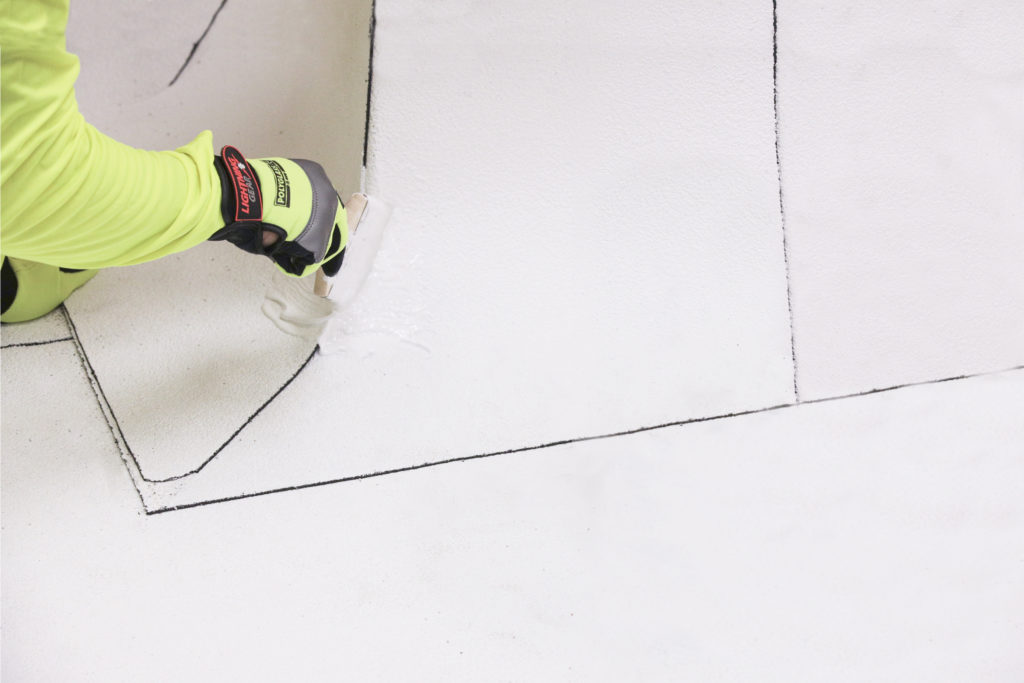
Cool roof coatings consist of a formulation designed to be brushed or painted onto an existing roof surface to increase its solar resistance and reflectivity. These are typically made from materials such as acrylic or silicone and can be applied to many different types of roof surfaces quickly and easily.
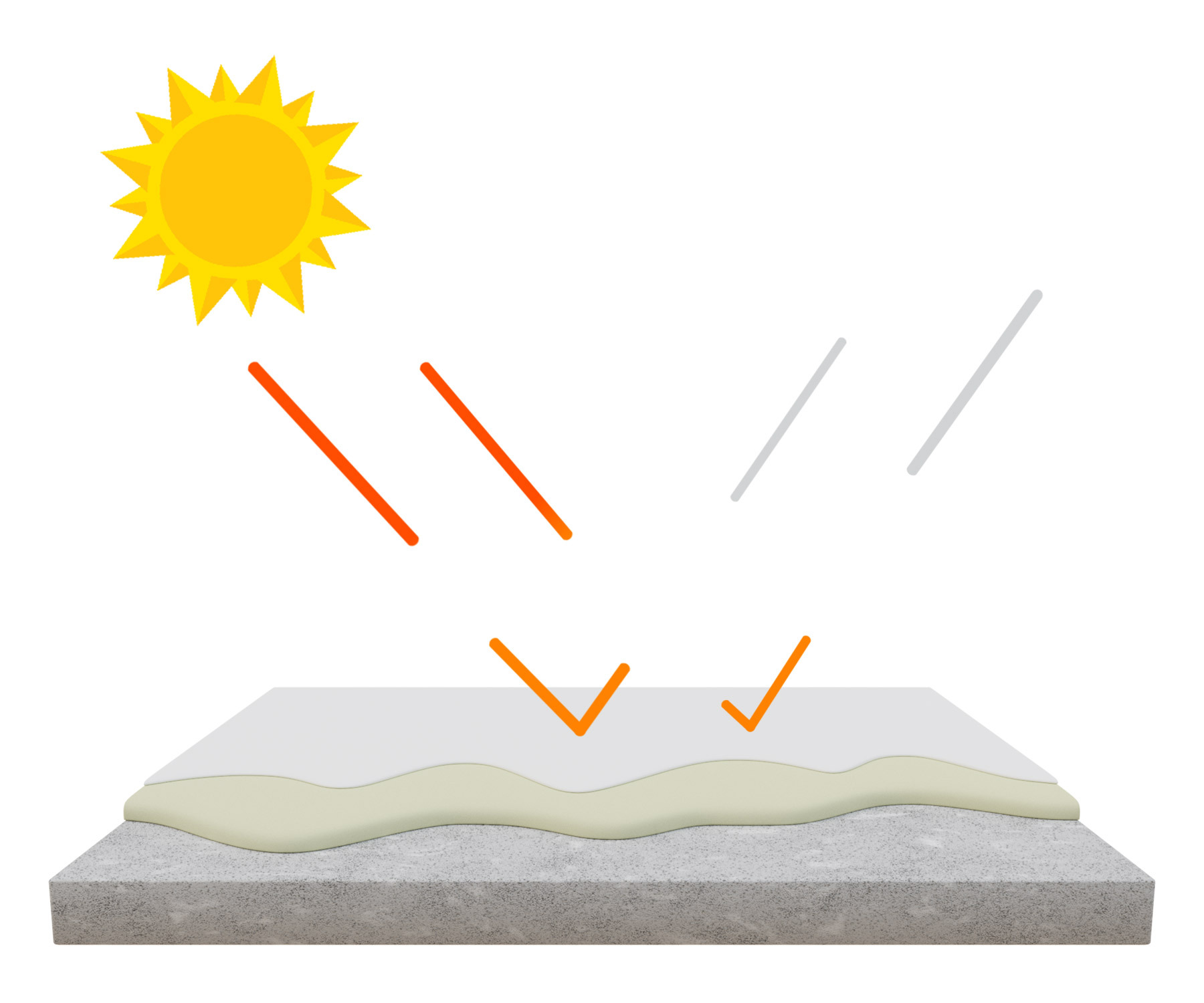
Cool Roof Coatings diagram

Cool roof coatings are usually elastomeric, which means that they are formulated with different polymers to create a flexible product. These coatings can react to rapidly changing temperatures on a roof.

Why Is This Important?

As roof surfaces heat up and cool down, they expand and contract slightly. This is a slow process on a normal day as temperatures fluctuate during the day and into the night. In some circumstances, however – such as on a hot day, when it suddenly rains – the surface temperature can quickly decrease, resulting in a rapid contraction of the roof surface. This rapid cooldown is known as thermal shock and can be detrimental to a roof, especially one made of metal and connected with screws and other penetrations.

Different materials expand and contract at different rates. A coated roof will typically stay within 15 degrees Fahrenheit of the ambient temperature, limiting thermal shock.
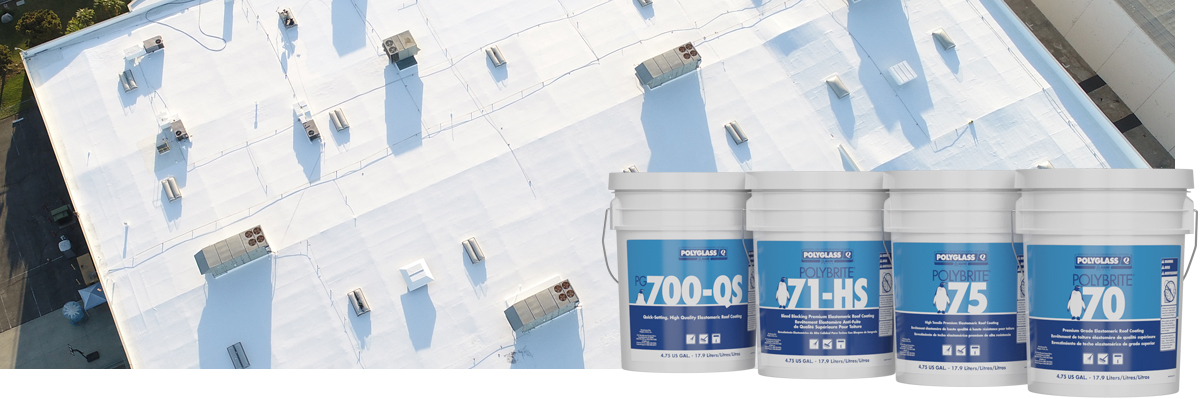

Elastomeric Roof Coatings

Button CTA

White Coatings vs. White Paint

There are also paint-based cool roof products on the market, which involve mixing ceramic or concrete material types with white or lightly colored acrylic paint. While these products may seem similar to elastomeric coatings, there is a key difference between them. Paint-based products are typically inflexible and cannot react to higher temperatures on a roof. This makes them much less effective and less durable than white elastomeric coatings.

The Benefits of Cool Roof Coatings

There are several benefits that cool elastomeric roof coatings can bring to your clients. Let’s take a look at some of these benefits to help you decide whether these coatings are right for your next project:

1. Cost-effective

Cool roof coatings are much cheaper than completely replacing a roof with new membranes. An elastomeric coating can add several years to a roof’s lifespan and reduce labor and material costs.

2. Ease of installation

One of the biggest advantages of coatings is their ease of application. Most cool roof coating types can be applied using a brush, roll, or spray-on method. This allows for a quick installation and is also much safer than other roofing methods. Many of these products are also water-based, which vastly reduces the amount of potentially toxic fumes that can be potentially released during installation.

3. Good for the environment

By improving the solar reflectivity and thermal regulation of a roof, cool roof coatings can reduce the need for energy to power the air conditioning and heating systems. This reduces the reliance on fossil fuels and power plants, cutting down the number of greenhouse gases released into the atmosphere.

4. Improved energy efficiency

Elastomeric coatings can also help reduce energy bills by increasing the energy efficiency of a building. The more sunlight that penetrates the roof, the warmer the building becomes inside. This means that air conditioning systems spend more energy trying to keep the building cool and comfortable. With a cool roof, there is less heat penetration, and the building uses less energy. Savings have much more impact in hotter areas of the country.

5. Increased solar reflectivity

Applying a cool roof coating helps a roof to reflect incoming ultraviolet rays from the sun better. Elastomeric coatings are white or lightly colored, making them much more effective at dispelling solar energy than dark-colored roofs.

6. Versatility

Because of their liquid formulation and ease of application, coatings are versatile enough to work with many different roofing materials such as metal, concrete, foam, and wood. Cool roof coatings can also be used when membranes are unsuitable, such as steep-sloped metal roofs.

Polyglass’ Kool Roof Solutions

As one of the world’s leading roofing manufacturers, we at Polyglass bring over 50 years of expert knowledge and pioneering innovation to our Kool Roof Solutions.

This specialized line of roofing products includes both modified bitumen roofing membranes, which feature Polyglass’ patented CURE Technology, and elastomeric roof coatings designed for a wide variety of applications. Polyglass products that feature CURE Technology are ENERGY STAR Certified and score high marks for energy efficiency. Here’s a quick spotlight on some of our white elastomeric coatings:

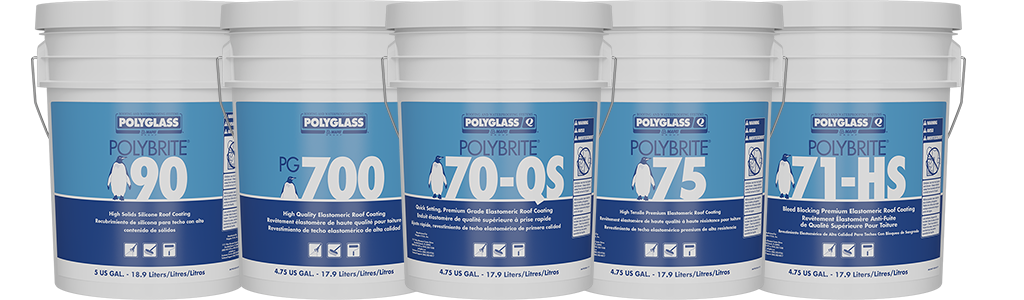
PG 700

Polyglass’ water-based elastomeric PG 700 coating provides a complete reflective layer to a roofing system. This product can be applied to several roofing materials, including modified bitumen roofing membranes and metal surfaces. PG 700 boasts initial CRRC scores of 0.87 for solar reflectance and 0.90 for thermal emittance.

PolyBrite 70

PolyBrite 70 is an acrylic elastomeric coating that provides a durable and highly reflective layer to most roofing surfaces. It can be used on most roofing surfaces and scores 0.87 for solar reflectance and 0.90 for thermal emittance under the CRRC rating system.

PolyBrite 90

Polyglass’ PolyBrite 90 roof coating is a high solid silicone formula that provides outstanding solar reflectivity and waterproof protection while increasing a roof’s lifespan. PolyBrite 90 has a solar reflectance CRRC score of 0.87 and a thermal emittance score of 0.89.

This video provides even more information about Polyglass’ line of Kool Roof Solutions white elastomeric coatings:

Cool Roof Coating Case Studies

Polyglass’ Kool Roof Solutions roof coatings have been successfully applied in several recent projects for our valued contractors. These examples will give you a better idea of how Kool Roof coatings could benefit your next client:

ICU Medical

Medical supply company, ICU Medical, required restoration of their Sante Fe Springs distribution center, a project covering 80,000 square feet. Contractor C.I. Services Inc was drafted in to help. Upon initial evaluation, C.I. Services discovered that two types of roofing materials covered the distribution center.

To protect both materials from the relentless California sun, C.I. Services turned to Polyglass’ PolyBrite series. First, a layer of PolyBrite 98 water-based primer was applied to help a silicone coating bond with the different surfaces.

For the coating itself, C.I. Services chose PolyBrite 90.1, a durable and versatile silicone coating that boasts a highly reflective finish and strong UV resistance to perfectly meet the client’s needs.

Lereta Headquarters

Lereta LLC is a flood services and property tax company based in Pomona, California. Lereta required their company headquarters roof to be restored, so they turned to C.I. Services.

Lereta’s old roof was showing signs of wear and tear across its 500 square foot PVC surface. To help the roof stand up to the heat of the California sun, C.I. Services decided to use a two-part PolyBrite solution for the job.

After pressure-washing the roof, a PolyBrite single-ply primer was used to create a good foundation for the coating. PolyBrite 90.1 was then used as the top layer, providing unrivaled UV protection and solar reflectivity to protect Lereta’s roof for years to come.

For more information regarding Polyglass’ Kool Roof Solutions elastomeric roof coatings, contact us today.
Silicone Roof Coatings: Pros and Cons

Over time, commercial roofs will accumulate wear and tear that can decrease their efficacy. While many may think that the whole roof needs replacing, a better option would be to consider a silicone roof coating.

This blog post will explain what silicone roof coatings are and why a building owner might want to apply one. We’ll also distinguish silicone coatings from other types of roof coating, as well as explore some silicone roof coating pros and cons.

Why would someone need a roof coating?

Because a building’s roof is always exposed to the elements, it can take a lot of punishment over the years. This can result from extreme weather conditions, the expansion and contraction of the roof under fluctuating temperatures, or prolonged exposure to things like standing water or ultraviolet rays.

Instead of completely replacing a still largely functional roof, a more cost-effective option would be to apply some form of roof coating. These products are applied to the roof’s surface in one or two coats and help plug any cracks or damage. They are relatively cheap and easy to apply.

Roof coatings can buy a roof several extra years of protection. One of the more common types of roof coating is silicone, but it can be confusing to distinguish between all the different roof coating types.

Roof Coating Types

Roof coatings are broadly divided into two main categories: asphaltic coatings and elastomeric coatings.

  • Asphaltic coatings are usually made of asphalt, bitumen, or tar. They need to be used on roofs made from the same material because asphaltic coatings cannot adapt well to fluctuations in temperature.
  • Elastomeric coatings are commonly made using acrylic or silicone. Elastomeric roof coatings can expand and contract with the roof as it responds to fluctuating temperatures. This makes elastomeric coatings more compatible with a larger array of roofing types.

We’ll focus on silicone roof coatings in this post, so it makes sense to compare silicone coatings to their elastomeric counterparts: acrylic coatings.

Acrylic coatings are cheap, but they are also brittle and vulnerable to weathering. This means that they don’t last as long as silicone coatings. Acrylic roof coatings have good reflective properties to protect against UV rays but don’t stand up well against water.

Silicone coatings act as sealants to prevent air and water from penetrating cracks in the roof, thanks to their strong water resistance. Silicone coatings are also more durable and will not become brittle.

Polyglass offers a range of high-quality silicone roof coatings for a wide range of applications, and we’ll cover these more later on.

Pros of silicone coatings

Cost-effective

Silicone roof coatings are a much more cost-effective option than replacing an entire roof, working out around $6 cheaper per square foot of roof. Silicone coatings provide a good balance of durability, quality, and waterproofing over other types of roof coating.

Durability

Due to their chemistry, silicone roof coatings can stand up to harsher conditions than other types. Because it expands and contracts naturally with the roof, silicone will not become brittle. This flexibility, along with its inorganic composition, helps it last for years.

Environmentally friendly

Silicone roof coatings are one of the most environmentally friendly coating options. They contain fewer solvents than most other moisture curing products, the high solids version being solvent-free.

Lifespan

Using a roof coating can add over a decade to the longevity of a roof. Depending on thickness, silicone coatings can offer up to 20 years of additional protection.

Quick application

Silicone roof coatings are quick and easy to apply. Installing a silicone roof coating doesn’t require any heat-based methods, which can pose safety risks. Having a higher solids content than other coatings, silicone roof coatings require thinner layers to create an effective seal.

Versatile

Silicone roof coatings are compatible with a wide variety of roofing materials and can be applied to concrete, metal, modified bitumen, and single-ply roofing systems. A primer is sometimes required.

Water and UV protection

Silicone roof coatings fare the best against standing water and rain. The silicone acts as a seal to stop water from breaking through. Silicone coatings can also reflect up to 90% of UV rays from the sun, keeping the building cool and reducing energy costs.

Button CTA

Cons of silicone coatings

Adhesion

Silicone can be difficult to re-coat unless you’re using more silicone. This can cause problems when a roof needs to be completely replaced as the existing silicone coating must be completely removed.

Gets dirty

Silicone roof coatings can trap dirt on the surface, leading to a grimy-looking roof. The softness of the coating is the cause of this issue.

Loss of reflectivity

Although silicone roof coatings boast good reflectivity when new, this can lessen over time as the coating is exposed to the elements and gets dirty.

Slippery

A silicone-coated roof can become incredibly slippery in wet conditions, which can be a safety hazard to anyone working on the roof. This is exponentially true on steep-sloped roofs.

Vulnerable to tearing

While silicone coatings are pretty durable, they aren’t able to stand up to tearing. Areas that are prone to tearing may be remedied by incorporating fabric reinforcement with the coating.

How are silicone coatings installed?

Silicone roof coatings are fairly straightforward to install. The roof must be cleaned first to provide a clear surface for adhesion. The silicone coating is then applied using spray equipment, a brush, squeegee, and/or roller at the desired thickness for the individual roof surface.

Polyglass silicone coatings

As an industry-leading company, Polyglass offers a wide range of silicone roof coatings suitable for any project. Let’s highlight two of our coating products:

Polybrite 90

This premium, high-solid silicone coating is a true workhorse and can be applied over several types of roofs. Polybrite 90 helps prolong the life of a roof by increasing UV protection and strengthening the roof against the elements. It is available in white and tinted variations.

Polybrite 95

The Polybrite 95 silicone coating is a solvent-based formula that can increase the lifespan of several roofing types. Polybrite 95 enhances a roof with seamless membranes for exceptional water protection and increased energy efficiency.

Learn more about Polyglass’ silicone roof coatings or subscribe to our newsletter below for more commercial roofing tips.

How to Install Self-Adhered Roofing

Self-adhered roofing systems are roofing materials that can be installed quickly through the use of a factory-applied adhesive layer so that contractors can avoid harsh processes like torching.

This article will cover how to install Polyglass’s innovative ADESO® self-adhered roofing systems, but first, let’s do a quick crash course on what self-adhered technology is and what benefits it offers.

What is Self-Adhered Roofing?

Self-adhered modified bitumen membranes and self-adhered underlayments are both roof components that can be installed quickly and easily thanks to self-adhered technology. What’s the difference between modified bitumen membranes and underlayments?

  • Made using a combination of asphalt and polymers, modified bitumen membranes are extremely efficient at keeping buildings watertight and protected from the elements. These membranes create durable weather-proof layers that can even help facilities save on their energy bills.
  • Underlayments are applied when constructing roofs to provide a protective waterproofing layer underneath the roof’s shingles, tiles, or metal roof panels. Most underlayments are crafted from rubberized asphalt or synthetic components.

At Polyglass, our self-adhered modified bitumen membranes and underlayments use an innovative technology called ADESO

Let’s dive a bit deeper into four major benefits of ADESO self-adhered technology.

They save time and labor.

Due to their innovative design, ADESO self-adhered membranes are incredibly quick, easy, and cost-efficient to install without the need for torches or extra adhesive. They also offer a granule-free application — not having to deal with granules can save a lot of time and fuss during the installation process.

They are safer to install.

ADESO membranes do not require torching. This reduces the amount of potentially harmful fumes and accidents, which helps keep your installers and customers safe.

They are incredibly effective.

Polyglass’ ADESO self-adhered membranes create a durable, watertight long-lasting layer. They also come with an outstanding warranty, giving both you and your customers peace of mind.

They are durable and versatile for any job.

ADESO self-adhered membranes can be specifically tailored to withstand several weather conditions and roofing environments. For example, our specialized Polystick IR-XE is designed for optimum ice and water protection. With our extensive range of options, you’ll be able to find an ADESO membrane that’s perfect for your next client job.

How to Install ADESO Self-Adhered Membranes

Tools Required:

  • 3 to 4” wide hand roller
  • 80 lb linoleum roller
  • Roofers knife with a hooked blade
  • Gloves and soft-soled shoes
  • Broom

Prepare the Roof

Before installing ADESO self-adhered membranes, use a broom to ensure that the roof surface is clean and free of dust. Installing ADESO self-adhered membranes requires an ambient temperature of at least 40 degrees Fahrenheit, with no standing water. Do not install in periods of inclement weather.

When cleaning the roof, you should also take the opportunity to remove any existing roof materials or obsolete penetrations that aren’t suitable for ADESO membranes. You should also repair any cracks, holes, or other imperfections on the roof substrate.

ADESO self-adhered membranes can be installed on the following substrates; primed concrete, primed plywood with all joints sealed with bond breaker tape, roof boarding including gypsum-fiber roof boarding, or a Polyglass Elastobase base sheet.

Installing the Membranes

  1. Allow the membranes to acclimatize in the sun for at least 15 minutes, then cut the membrane into workable lengths with the roofing knife.
  2. Lay the strips of membrane flat, and be sure to align them at the lowest edge of the roof.
  3. Once this first self-adhered base sheet is in place, fold each strip in half and remove the film. Pull the film at a 90-degree angle using a constant motion. Place half of the strip onto the roof and repeat the film removal on the other half.
  4. With both sides of the film removed on each strip, you can lay the next self-adhered base sheet in place. Make sure to overlap the new sheets over the seams of the initial layer by a minimum of six inches all along the selvage edge.
  5. Press the membranes down with firm and even pressure and cut a 45-degree angle into the top corner of the sheet.
  6. Remove the protective film from the seal lap and press the next membrane onto the seam. Use your hand roller along all of the seal laps and seams to make sure the layer has fully adhered.
  7. Once the sheet has been installed, use your 80lb linoleum roller to ensure that the layer has fully adhered.

Installing Cap Sheets

  1. Allow cap sheet 15 minutes to acclimatize in the sun, then cut into manageable strips.
  2. Install the strips, with the selvage edges away from the eaves edges. Align the cap sheet with the edge of the eaves at the lowest point on the roof.
  3. Fold the sheet in half and remove the film using a constant motion at a 90-degree angle. Once both sides of film are removed, install the next sheet. Make sure that the new sheet has at least a six-inch overlap over the previous sheet.
  4. At the end of the cap sheet roll, remove the release film and press each sheet down firmly and evenly. Run your hand roller over all edges and seams to make sure they have fully adhered.
  5. Using your linoleum roller, start in the center of the cap sheet and work outward to remove trapped air.
  6. For the next sheet, completely overlap the selvage edge of the first sheet. When releasing the film on the selvage edges, only peel enough away on the previous roll to complete each section.
  7. Once all sheets are installed, run your linoleum roller over the cap sheets to ensure full adhesion.

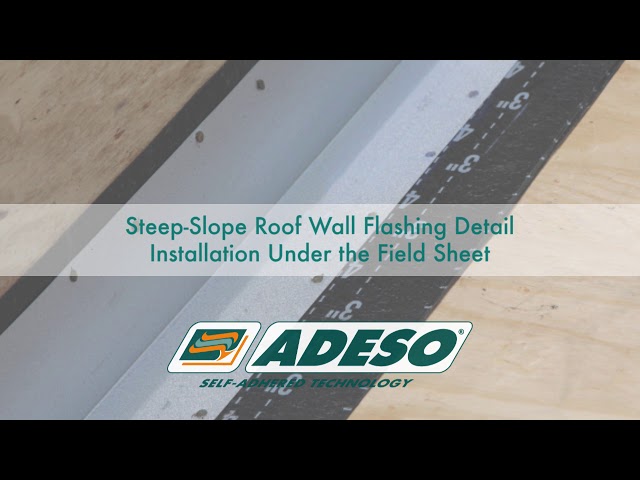
There you have it — that is the basic process of installing ADESO self-adhered membranes and cap sheets. If installing metal edging or covering a roof with transitions to steep-sloped areas, see the video above for more information.

Learn more about how ADESO self-adhered membranes can make your next job smoother and easier.

Fibered vs. Non-Fibered Roof Coatings

Aluminum roof coating

When choosing an asphaltic roof coating for a commercial roof system, one of the first things you need to decide is whether a fibered or non-fibered roof coating is most appropriate for your needs. While each coating has its advantages, one type is not necessarily better than the other. The best choice between fibered and non-fibered will depend on a variety of factors.

Let’s explore the difference between fibered vs. non-fibered roof coatings, and then explain how each is typically used, so you can make an informed decision on which product is best for you.

What is a Fibered Coating?

A fibered roof coating is infused with fibers (usually fiberglass) in addition to the basic materials used for the coating itself. These fibers can be very small in size or relatively large. The fibers are used to increase the strength of the roof coating and make it more resistant to tears and breaks. However, this strength comes at the expense of elasticity.

What is a Non-Fibered Coating?

As the name suggests, a non-fibered roof coating is a substance that does not include the infusion of fibers. Non-fibered coatings have more elasticity and stretching capability when cured, but they may not resist tears and abrasions as well as fibered coatings.

Ashphaltic Roof Coating Products

Which Type of Coating Works Best — Fibered or Non-Fibered?

The answer to this question truly depends on the intended application because both coatings have their uses. Factors that may play into your decision include the type of roof/substrate, the total surface area, and the climate and weather conditions to which the roof may be exposed.

As a basic rule of thumb, you’ll lean toward fibered coatings when your priority is strength and resistance against tears and abrasions, while non-fibered coatings work best for applications that require greater flexibility and the ability to stretch the material farther over a surface area.

A Breakdown of Polyglass Fibered vs. Non-Fibered Roof Coatings

Polyglass offers both fibered and non-fibered asphaltic roof coatings to cover a wide range of roofing needs and applications. The following overview lists some of these products and their most common uses.

Non-Fibered Coatings

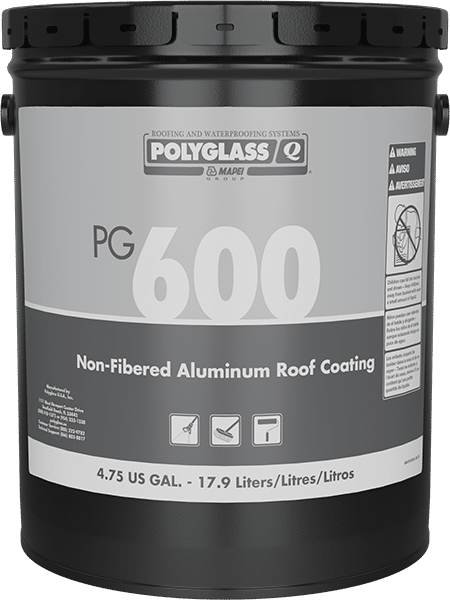
  • Polyglass PG 600 – This non-fibered aluminum coating is formulated to provide excellent UV protection and weathering characteristics over existing elastomeric roofs, asphalt BUR roofs and flashings, and most metal roof substrates. It is especially beneficial for use on asphalt because it is designed to be non-destructive to these surfaces.
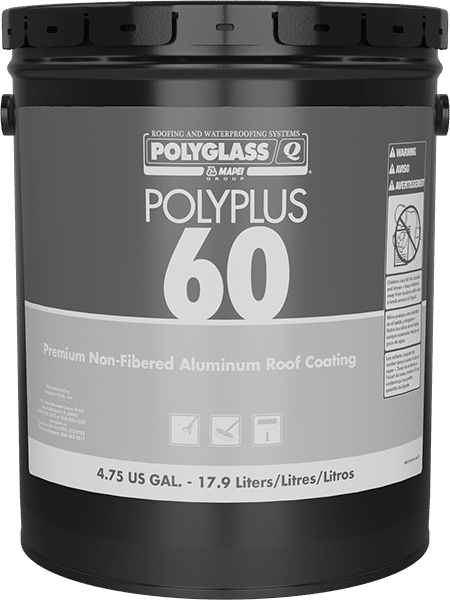
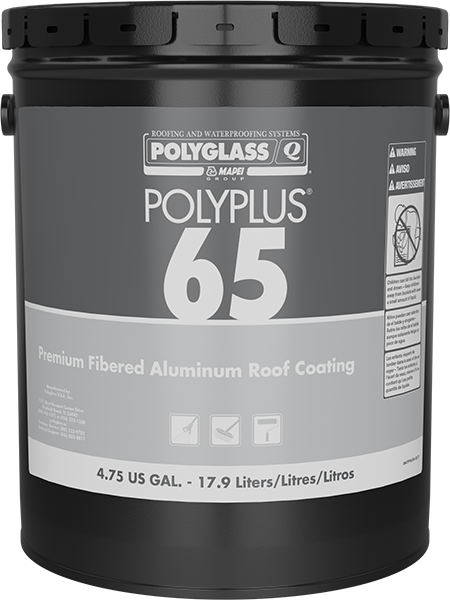
  • Polyglass PolyPlus® 60 – This coating is similar to the PG 600 and is used in similar applications, but it is a premium grade with greater durability and a longer lifecycle expectancy.
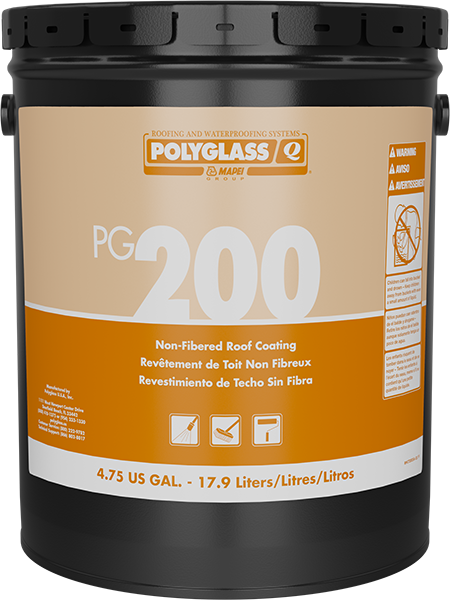
  • Polyglass PG 200 – This non-fibered modified asphalt coating works well on a variety of roof types, but it specifically provides a protective surface for metal roofing, masonry, stucco, parapet walls, curbs, and base flashings. It can even serve as a damp-proofing compound for below-grade walls. This coating also works well as an adhesive for mineral granules and organic roll roofing membranes.

Fibered Coatings

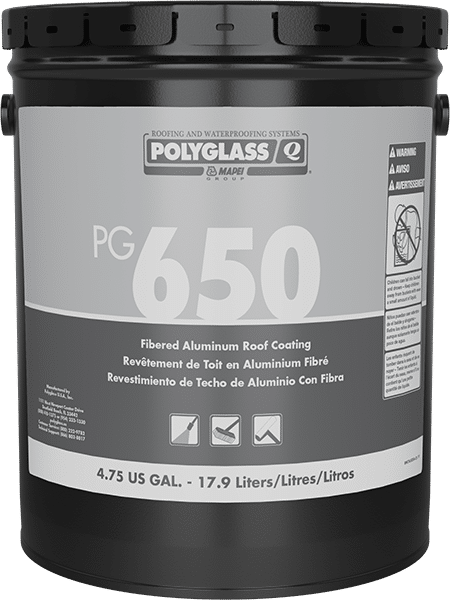
  • Polyglass PG 650 – The fibered version of PG 600, this aluminum coating provides similar UV protection and weathering characteristics to its non-fibered counterpart, but the fiber reinforcement serves to add durability and reflectivity.
  • Polyglass PolyPlus® 65 – The premium version of PG 650, as well as the fibered counterpart to PolyPlus 60. Offers additional strength and longer-lasting reflectivity.
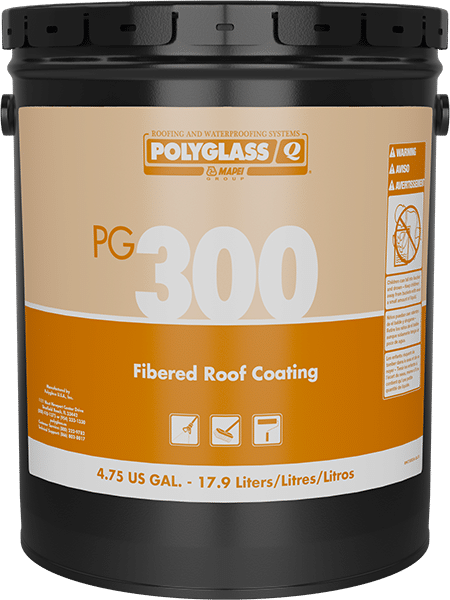
  • Polyglass PG 300 – This is the fibered counterpart to PG 200. It works well on a variety of roof surfaces and can be used as an adhesive for mineral granules and organic roll membranes. Compared to PG 200, it offers greater strength and durability but it is less flexible, and therefore not as good a product for flashings, curbs, walls, etc.

Be sure to check out our black coatings line brochure for more complete information on Polyglass fibered and non-fibered roof coating products. For additional roofing knowledge and helpful resources, sign up for our newsletter below.

How to Apply Elastomeric Roof Coatings

An elastomeric roof coating can add an additional layer of protection to existing roof systems, stop leaks, increase energy efficiency, and extend a roof’s life expectancy.

Of course, proper application of an elastomeric roof coating is key to its effectiveness. When applied incorrectly or unevenly, it can leave vulnerabilities in the roof system that can be costly to fix later.

In this article, we will discuss some of the advantages and common applications of elastomeric roof coatings. We’ll also demonstrate the proper way to apply elastomeric coatings.

What is an Elastomeric Roof Coating?

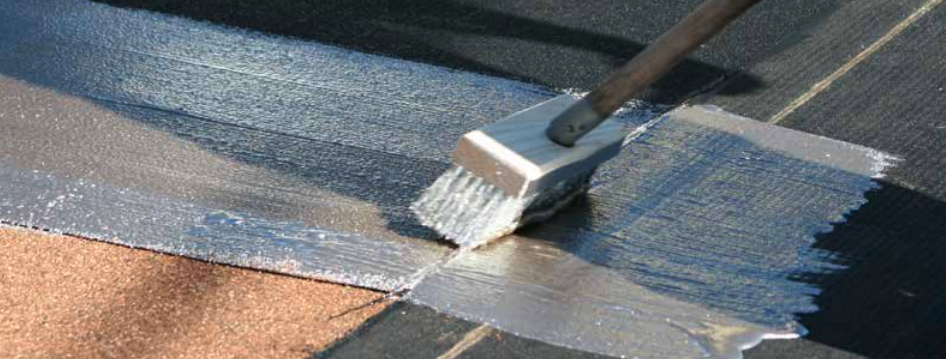
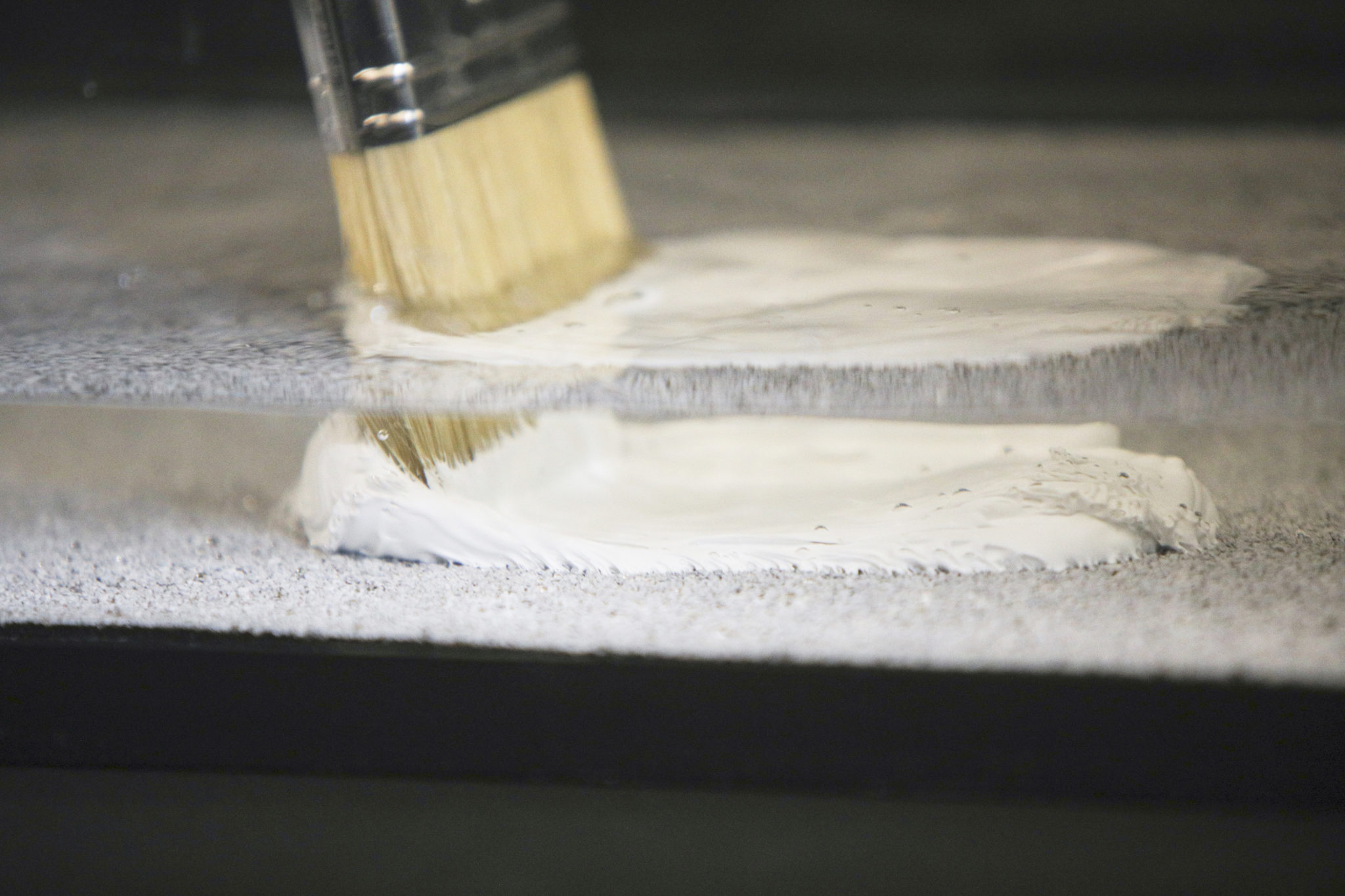
Using a brush to apply elastomeric coatings

An elastomeric roof coating is a liquid-applied coating (typically made from either silicone or acrylic) that cures into a durable, highly elastic membrane when it dries. The elastic quality makes it easy to apply to most roof surfaces and highly adaptable to a wide range of weather conditions.

Elastomeric roof coatings can be applied over new roofs to provide an extra layer of weatherproofing, or they can be applied to older roofs to seal leaks, reinforce the roof’s integrity, and extend lifecycle expectancy.

What Surfaces Can Elastomeric Coatings Be Installed Over?

Elastomeric roof coatings can be applied successfully over many different roofing materials, including (but not limited to) the following:

  • Built-up roofing
  • Asphalt
  • Metal
  • Fiberglass
  • PVC
  • APP or SBS cap sheet
  • Aged EPDM or TPO membranes
  • Concrete
  • Exterior-grade plywood
  • Sprayed polyurethane foam
  • Existing elastomeric coatings

What are the advantages of Elastomeric Roof Coatings

  1. Increased energy efficiency and UV protection. Elastomeric roof coatings offer a “cool roof” effect that lowers energy bills in the summer months.
  2. Adds additional waterproofing and weathering protection. Elastomeric roof coatings provide a robust shield against rain, snow, ice, etc. They also provide additional reinforcement for roofs that may be subject to high winds.
  3. Easy to repair and maintain once installed. Vulnerabilities can be easily resealed by applying more coating directly to the areas of damage.
  4. Restores roof viability and extends the roof life expectancy. A well-applied elastomeric coating can last 10-20 years.

Elastomeric Coatings

How to Apply Elastomeric Coatings

For proper application of elastomeric roof coatings, follow our how-to videos below for Liquid Applied Roofing (LAR):

Step 1: Gather Appropriate Tools and Equipment

The right tools and equipment will make applications easier and faster.

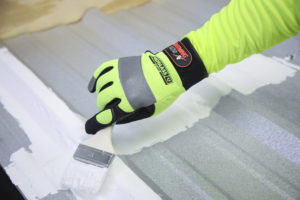
Aside from personal safety equipment like goggles, hard hats, work boots, gloves, and safety harnesses, you’ll want to gather solid plastic core roller covers, all-purpose brushes, scissors, mallets, push brooms, power drill with mixer, and sprayer equipment for your application process.

Step 2: Clean and Pressure Wash the Roof

Preparation is key to a successful coating application. Before applying the coating, the roof must be clean, dry, and structurally sound.

Remove all debris and dirt from the roof. For heavily soiled areas, loosen the dirt with a broom or brush. Clean the entire surface using a power washer capable of 2,500 to 3,500 p.s.i. with a 30-degree cleaning tip. Keep the tip about 18 inches from the roof surface and spray with a gentle sweeping motion. Use a push broom to push standing water toward the drains.

Allow the surface to dry completely before moving to the next step.

Step 3: Repair and Reinforce the Roof

Any areas of damage should be repaired before applying the elastomeric roof coating.

Use Polyglass PolyBrite polyester fabric and mastic to reinforce these repaired areas, as well as around any roof penetrations, curbs, and rooftop equipment.

To address inside corner details:

Apply a generous coat of Polyglass base coat to the inside corner, then embed reinforcing polyester fabric into the corner.

Once the fabric is smoothed into the corner and adhered to the base coat, apply more base coat to seal overlapping pieces of fabric, then cover the fabric area with a saturation coat.

To address outside corner details:

Apply a generous coat of Polyglass base coat to the outside corner, then embed reinforcing polyester fabric over the corner to adhere it, then apply a saturation coat. Then connect the details with an additional 12-inch piece of polyester fabric, applied in the same manner.

To address pipe penetration details:

For pipes, stands, drains, and scuppers that penetrate the roof surface, cut the polyester fabric for the finger flashing so the fabric can cover and overlap the pipe by at least 3 inches.

For the target flashing, cut an opening so the fabric can slide down over the drain pipe. Apply a base coat around the penetration area and work outward horizontally from the penetration point as well as up the pipe. Apply the finger flashing around the pipe, then apply an additional base coating to secure it. Fit the target piece over the pipe and apply a saturation coat.

If roof reinforcement is necessary:

Use a Polyglass base coat and 40-inch polyester fabric rolls to reinforce the roof area.

Apply the base coat using a roller, carefully unroll the fabric over the base coat to adhere it, then seal it with another layer of base coat. Overlap fabric rolls by at least three inches. When dry, the roof is ready for a topcoat.

To address metal seam flashing details:

For both vertical and horizontal metal seams, apply two coats of Polyglass PolyBrite 77 premium SCBS cement along the seams with a minimum of 2 inches on each side.

For complete encapsulation, apply an additional dab of cement over the screw heads.

Step 4: Conduct a Field Adhesion Test

Next, you’ll want to conduct a field adhesion test on the roof to determine which primer (if any) you need to apply.

For the test, you’ll attach a test piece of polyester reinforcing fabric by applying the primer, laying the fabric, and applying another coat of primer over it, leaving two inches of fabric free. Allow 24 hours to dry, then pull the fabric using the uncoated portion.

If the coating comes off the substrate clean, a primer will likely be needed; if primer is left on the surface, a primer may not be necessary.

Step 5: Mix and Stage Roofing Products

Mix all Polyglass products, including the elastomeric roof coating, thoroughly for proper application.

Use a 3/4-inch corded electric drill with a power mixer attachment and mix the product from the bottom up.

Stage all products out of direct sunlight and protect them from freezing.

Step 6: Configure Spray Equipment and Apply

To apply the coating, use airless spray equipment with a minimum capability of 3/4 gallons of volume per minute and a minimum of 3,300 p.s.i.

Apply the coating evenly at the specified wet film thickness while keeping the nozzle 12-18 inches from the surface.

Learn more about liquid-applied roofing.

Low-Slope vs. Steep-Slope Roofs

Wildwood High School reroofing view 2

Roof designs fall into one of two categories: low-slope and steep-slope roofs. Let’s explore some of the differences between low-slope versus steep-slope roofs, discuss the advantages of each, and discuss which roofing products work best for each.

Before we jump in, it’s important to note how slope is measured so you can determine whether you’re dealing with a low-slope or steep-slope roof. Of course, virtually every roofing system is sloped to some degree. Even so-called “flat roofs” aren’t truly flat — they simply have a very modest slope.

In professional roofing settings, slope (or pitch) is defined by how much the roof rises vertically for every 12 inches of horizontal length. It is then expressed as a ratio of rise/12. For example, if a roof’s elevation changes by 2 inches for every foot of length, the slope is 2/12. If it rises by 4 and one-quarter inches, the slope is 4.25/12.

Low-Slope Roofs

ICU Medical after

What makes a roof “low-slope?” Honestly, it depends on who you ask. The Occupational Safety and Health Administration (OSHA) officially defines a “low-slope” roof as any roof with a slope of less than 4/12. However, some roofing companies define low-slope as 3/12 or less, and others 2/12 or less. (For our purposes, let’s go with the OSHA definition.)

Benefits/Considerations of Low-Slope Roofs

Low-slope roofs offer several advantages, especially for commercial buildings. First of all, low-slope roofing provides a “bonus floor” of sorts, allowing for placement of large equipment like HVAC units on the roof, and even allowing foot traffic. Low-slope roofs are also more affordable to install because they require fewer materials and involve less risk to the laborers. The tradeoff with low-slope roofs is that they must have impeccable waterproofing and must be kept free of debris to prevent water ponding and leakage.

Common Types of Low-Slope Roofs

  • Built up roofs (BUR) have multiple alternating layers of asphalt and reinforcing fabric, usually with a gravel top layer
  • Modified bitumen is a membrane of asphalt combined with rubber or plastic polymers, typically installed in two layers (base sheet and cap sheet)
  • Single-ply roofing membranes are either rubber-based (EPDM) or thermoplastic (TPO, PVC)

Steep-Slope Roofs

Cape Coral roofing project featuring Polyglass underlayment 2

Now let’s move on to discuss steep-slope roofs.

Sticking with OSHA’s definition, a steep-slope roof is any roof with a slope greater than 4/12. Steep-slope roofing is largely used on residential structures, but sometimes occurs on commercial buildings, as well.

Benefits/Considerations of Steep-Slope Roofs

Aside from being generally aesthetically pleasing, steep-slope roofs enjoy fairly low maintenance because rain, snow, and debris drain off of them easily. The “attic” space may also provide a heat buffer to the outside, making the building easier to heat and cool. The disadvantage is that steep-slopes create more unusable space in commercial buildings, are more expensive to install, and are more dangerous to maintain because of the roof angle.

Common Types of Steep-Slope Roofs

Asphalt shingles are by far the most common roofing material for steep-slope roofs. Metal roofing is also quite common (e.g., aluminum, copper). Clay tiles and wood shake are also common, although generally expensive.

Using Polyglass Products for Low-Slope and Steep-Slope Roofs

Polyglass is committed to helping professional roofing companies make the best use of our products — whether you’re working with a low-slope roof or a steep-slope roof. Don’t miss our video installation guides for low-slope roofs and steep-slope roofs.

Low-Slope Roofs

Polyglass offers a full range of reliable self-adhered modified bitumen products for low-slope roofs, along with high-quality underlayments, elastomeric coatings, and more.

Steep-Slope Roofs

Polyglass offers numerous high-quality underlayment products to provide excellent waterproofing for steep-slope roofs. Watch the video below for more details.

For more helpful roofing articles and resources, please sign up for our newsletter below.

What is Modified Bitumen Roofing?

White roof

Over the past 50 years or so, modified bitumen roofing has evolved from being an experimental innovation to one of the most common commercial roofing systems in the industry. Its tensile strength, durability, and relative ease of installation have made it the roofing material of choice for millions of projects worldwide. But what, exactly, is modified bitumen roofing, and what makes it superior to other roofing types?

Let’s do a deep dive into this topic, discussing what modified bitumen roofing is and how it came about, identify the different types of modified bitumen, and answer many other commonly asked questions, so you can make an informed decision about whether modified bitumen is right for your next project.

What is Modified Bitumen Roofing?

Modified bitumen is thought of as the evolutionary cousin of the built-up roofing systems (BUR) that have been used on low-slope roofs for more than 100 years. It is made of asphalt combined with polymerized rubber or plastic, then reinforced with fiberglass to create a rugged-yet-flexible waterproof membrane.

Modified bitumen roofing is primarily used on flat or low-slope commercial roofs. Depending on the type and material, these membranes may be installed as part of a two-layer system or as part of a multi-ply system.

History of Modified Bitumen

Modified bitumen first appeared in commercial roofing in the mid-1960s in Europe. Before that time, the conventional roofing system used on most commercial structures was built-up roofing (BUR), a complicated system of alternating layers of asphalt and fabric with a top layer of gravel.

While BUR was a tried-and-true method, it was heavy, costly to install, difficult to repair, and often had trouble holding up against extreme temperatures. By integrating the bitumen with polymers and fiberglass into a simple membrane, the developers of modified bitumen hoped to simplify the roofing process while resolving some of the most common issues with BUR.

Overall, the efforts were successful. Modified bitumen proved to be easier to install while providing enhanced protection compared to BUR systems, even in very cold temperatures. By 1975, modified bitumen was in wide use here in the United States, and today, it has all but replaced BUR as one of the most reliable roofing materials on the market.

Application Methods for Modified Bitumen

Modified bitumen typically comes in membrane form, in rolls that are installed directly onto the substrate via an adhesive. The material may be heat welded, cold-adhered, or in some cases, self-adhered (as with many of Polyglass’ top products that feature ADESO® self-adhering technology).

Some modified bitumen membranes may also be mechanically attached. Most applications call for at least two layers (a base layer and a cap layer), but in some cases, it may be installed in a multi-ply system of three or more layers.

Modified Bitumen Membrane Types

Modified bitumen typically falls into one of two varieties: APP and SBS.

APP Membranes

Commonly nicknamed “plastic asphalt,” atactic polypropylene (APP) membranes consist of asphalt blended with plasticized polymers that become elastic under high temperatures. APP is resistant to UV rays and is a good choice for structures seeking a “cool roof” effect.

SBS Membranes

SBS stands for styrene-butadiene-styrene, but it helps to think of SBS roofing as “elastic” or “rubberized” asphalt. This membrane combines asphalt with polymerized rubber for natural flexibility and elasticity. SBS is a good choice for buildings whose roofs expand and contract with extreme temperature changes, as well as roofs subject to higher winds.

Modified bitumen

Button CTA
 

What are the benefits of Modified Bitumen Roofing?

  1. Tear-resistance. Modified bitumen offers outstanding durability and tensile strength, making it resistant to tears from weathering, debris, and even consistent foot traffic.
  2. Waterproof. When properly installed, modified bitumen provides some of the best waterproofing protection of any roofing material on the market. Redundant layers enhance this quality even further.
  3. Ease of installation, repair, and maintenance. Modified bitumen is easy to maintain, and if it does tear or leak, it can be easily patched.
  4. Flexibility. Modified bitumen expands and contracts with changing weather conditions without losing integrity.
  5. Energy-efficient. Certain types of modified bitumen offer high UV resistance and reflect the sun’s rays for lower energy bills.

Modified Bitumen FAQs

Helpie FAQ

    Learn More About Polyglass’ Modified Bitumen Products

    Polyglass offers a wide range of high-quality modified bitumen roofing products for a wide range of applications. Browse our modified bitumen products, and be sure to sign up for our newsletter below for even more helpful roofing information and resources.

    Roof Maintenance with PolyFlash® 1C Flashing Compound

    Bucket of Polyflash 1C

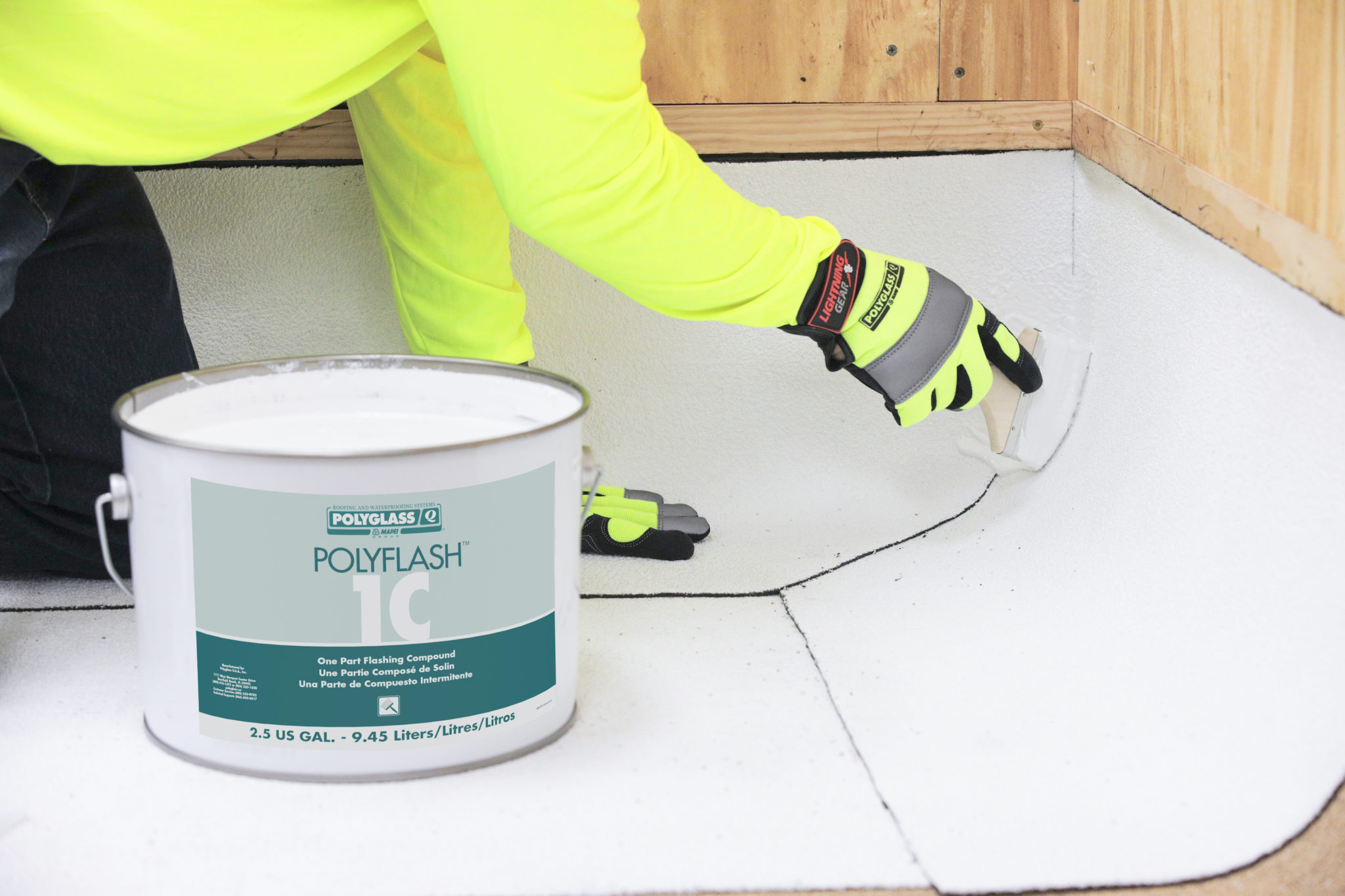
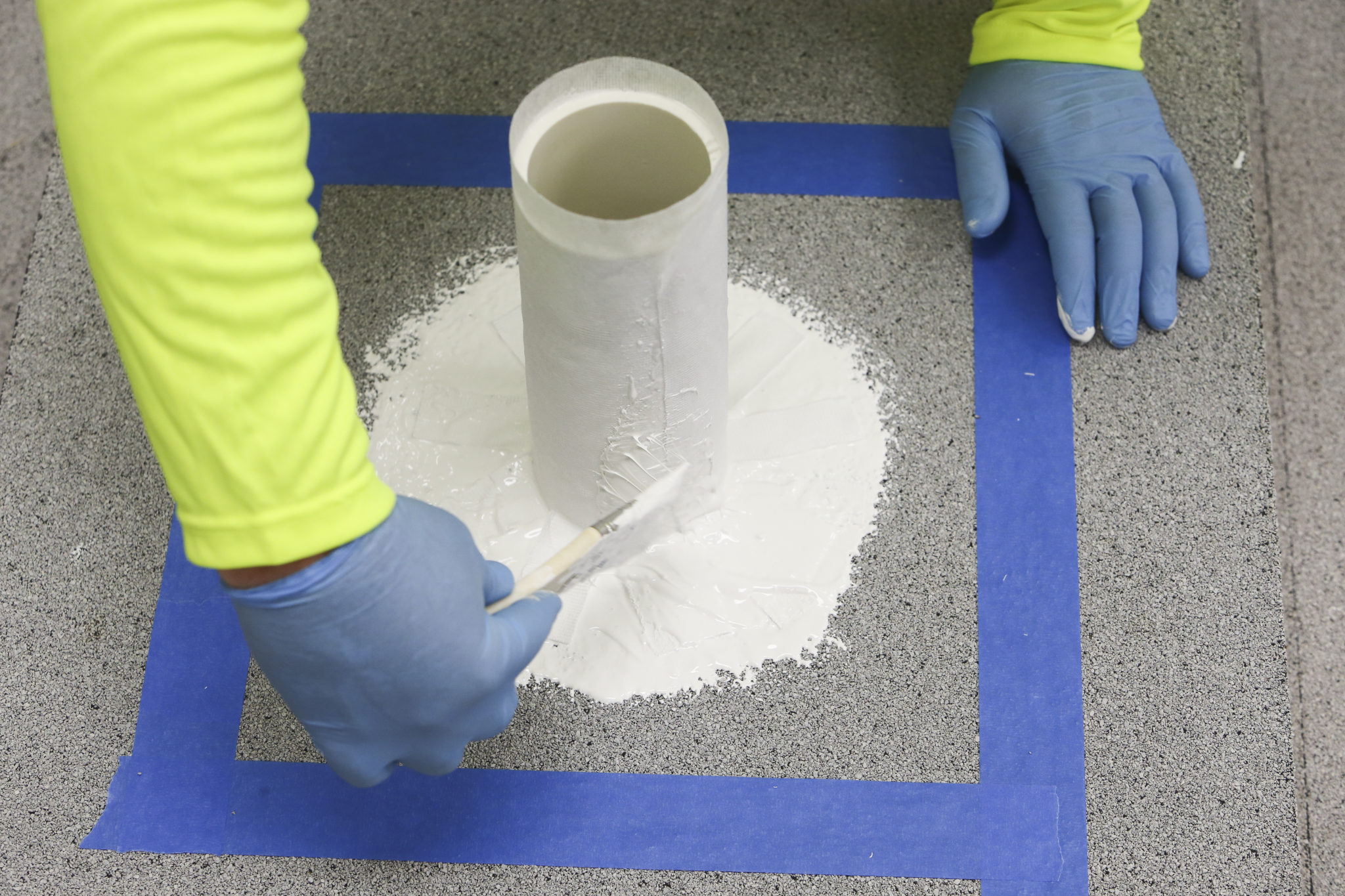
    PolyFlash® 1C is a silane-modified polyurethane flashing compound designed for sealing and waterproofing roofing details, flashings, and penetrations on a wide variety of roofing systems. When combined with PolyBrite® reinforcing polyester fabric, this product can permanently solve typical and challenging flashing needs.

    Download PolyFlash 1C Brochure

    Polyflash 1C is compatible with multiple roof systems, including asphaltic membranes, APP and SBS membranes, and conventional BUR systems. It is ideal for sealing masonry, wood, curbs, vents, roof drains, pitch pans, specialty gypsum sheathing products, and unusually shaped penetrations.

    Pipe penetration sealed with Polyflash 1C

    Polyflash 1C also has the unique ability to be applied as an immediate, but temporary emergency leak repair over wet or damp surfaces:

    Demonstration of Polyflash 1C wet application using tank of water

    As a reliable, versatile solution for temporary and permanent roof repairs, PolyFlash 1C is an ideal product for contractors to keep on hand when performing roof maintenance. When determining when to use this flashing compound, we recommend contractors walk through this handy roof maintenance checklist to ensure any warranties remain valid:

    • Conduct a documented roof inspection. Visually survey the exterior condition of the roof.
    • Remove roof-top debris. This includes (but is not limited to) leaves, branches, dirt, rocks, bottles, trash, etc., that has accumulated.
    • Clean gutters, downspouts, drains, and scuppers. Make sure water freely flows off the roof. No standing water should remain on the roof surface within 48 hours after the last precipitation.
    • Examine all metal flashing areas for rusting or damage. This kind of damage may have been caused by foot traffic, wind, hail, snow, ice, etc. All damaged, loose, or poorly sealed materials must be repaired with Polyglass products, by a Polyglass Preferred/Quantum Contractor, or as otherwise approved by Polyglass.
    • Maintain and re-mediate all exposed mastics and sealants regardless of purpose or function. These maintenance items should include pitch pans and metal flashing sealants.

    Application of Polyflash 1C

    • Examine all adjacent areas to the roof, parapet walls, and adjoining structures. Damage to items such as masonry, failing mortar joints, loose or missing sealants, loose stone/tile caps, loose and improperly sealed counter-flashing, etc. often cause leaks. These items need to be repaired by properly trained personnel to avoid any unnecessary charges or voiding of warranty coverage. Unauthorized repairs will void the manufacturer’s warranty.
    • Protect roof during repairs. When repairing items related to the roof/coating product(s), associated items, or building structure, be sure to use precaution and properly protect the roof/coating product(s) from damage.
    • Examine roof-top equipment. This includes air conditioning units, condensers, exhaust fans, antennas, and any other roof-top items for damage. Check for leaking oil, damaged flashings, or loose parts/equipment that could cause puncture damage to the roof/coating product(s). All units shall be checked to ensure they are sound, watertight, and not be displaced by wind events.
    • Check the building for excessive movement or settlement. Improper placement or the omission of expansion joints can cause unnecessary stress to the roof system, resulting in splits and drastically reducing the life cycle of the system.

    Remember: In order to keep a valid warranty, all work related to the roof system, where the materials need to be repaired (i.e. new curbs, units, exhaust fans, antenna installation, repairs, etc) must be handled by a current Polyglass Preferred/Quantum Contractor. Failure of the Building Owner to utilize a Polyglass Preferred/Quantum Contractor, as well as the use of non-Polyglass approved/supplied materials, will result in immediate termination of the warranty without further notification.

    Download PolyFlash 1C Brochure

    Polyglass Opens New Liquid Applied Membrane Facility in Phoenix

    Polyglass U.S.A., Inc. has opened a new 62,000-square-foot facility in Phoenix dedicated to manufacturing premium roof coatings and primers. Polyglass, based in Deerfield Beach, Fla., is a leading manufacturer of roofing and waterproofing solutions.

    The plant features 52,000 square feet of manufacturing and warehousing space, doubling manufacturing capacity and adding automated equipment to improve efficiency and ergonomics. Expanded shipping and receiving facilities; a laboratory with sophisticated quality testing and color matching equipment; and a new customer service hub to serve regional and national customers have also been added.

    The plant features automated computer-controlled ingredient delivery and recipe control equipment to increase accuracy and repeatability between batches. “The automated recipe control leads to unsurpassed precision and accuracy between batches,” said Jeffery Umberger, director of manufacturing. “We see this as a great beginning and just the start of what we hope to accomplish at the new facility with even more modern automated equipment that can expand production.”

    Designed with an eye on future growth and expansion, the Phoenix plant can run multiple mixes at a time and can easily be expanded to accommodate additional automation equipment. Polyglass now has the capacity to increase production significantly as demand increases.

    For more information visit polyglass.us

    ###

    About Polyglass

    Polyglass U.S.A., Inc. is a leading manufacturer of roofing and waterproofing systems. Known for its self-adhered modified bitumen roofing systems based on the company’s patented ADESO® Technology and CURE Technology®, Polyglass also produces a full line of premium roof coatings and roof maintenance systems. An ISO 9001:2015 certified company, Polyglass provides quality products and adds value through innovation.  For more information about the premium products and services offered by Polyglass, call 800.222.9782 or visit polyglass.us.


    Polyglass Contributes Roofing Materials to Rebuild in the Bahamas

    The global effort to rebuild communities in the Bahamas is underway after category 5 Hurricane Dorian damaged buildings and displaced thousands of people. Polyglass U.S.A., Inc. is helping to restore hundreds of roofs and has donated self-adhered membranes to replace temporary blue tarp roofs.

    A leading manufacturer of roofing and waterproofing solutions, Polyglass has contributed more than 5,000 rolls of Elastoflex SA V self-adhered modified bitumen membranes and nearly 400 pails of WB 3000 primers. With watertight roofs in place, electrical repairs on the buildings can begin. The donated roofing materials will restore about 330 roofs.

    “Giving back to our community is a significant and important part of the Polyglass culture, and we are glad that we could be a part of this life-changing work,” says Director of Strategic Marketing Scott Lelling. “We hope that our contribution helps to get folks in the Bahamas back into their homes.”

    Polyglass joined forces with several disaster relief organizations to strategically move products in the right amounts, at the right time and to the people who needed the most help.

    “We can confidently say that the Bahamas has moved further ahead in their recovery efforts with the donation of roofing materials from Polyglass,” says Michael Rettig of LIFT Non-Profit Disaster Logistics. “It was great to work with a diverse group of non-profits, including customary transportation providers, yachts and landing crafts to coordinate and deliver the donations to some of the most difficult to reach areas in the Bahamas.”

    ###

    About Polyglass

    Polyglass U.S.A., Inc. is a leading manufacturer of roofing and waterproofing systems. Known for its self-adhered modified bitumen roofing systems based on the company’s patented ADESO® Technology and CURE Technology®, Polyglass also produces a full line of premium roof coatings and roof maintenance systems. An ISO 9001:2015 certified company, Polyglass provides quality products and adds value through innovation.  For more information about the premium products and services offered by Polyglass, call 800.222.9782 or visit polyglass.us.

    Polyglass Awards Quantum Level Status to Contractors in Polyglass Contractor Program 2019

    Polyglass U.S.A., Inc., a leading manufacturer of roofing and waterproofing systems, announces the latest group of contractors to achieve the company’s coveted Quantum Contractor status, the highest level of the Polyglass Contractor Program. The three-tiered program rewards contractors for quality Polyglass roof system installations and is designed to recognize contractors for their commitment to excellence in commercial roofing.

    As last year’s top performing Preferred Contractors, they were upgraded to Quantum Contractor designation based on excelling in purchase volume, product mix, and installation quality. The seven contractors receiving the Quantum Contractor status are:

    Polyglass Preferred and Quantum Contractor Program strives to help firms stay at the forefront of the ever-evolving commercial roofing industry. Some of the program features includes:

    • Dedicated training
    • Exclusive systems and warranties
    • Customized marketing support
    • Advisory council event
    • Premium reward trip

    “We are delighted to extend the benefits of Quantum Contractor status to this group of contractors, who have continually shown exceptional commitment to quality and excellence for their commercial roofing projects,” said National Customer Success Manager Monique Andrade.

    For more information about the Polyglass Contractor Program, please visit https://polyglass.us/contractor-program/.

    ###

    About Polyglass

    Polyglass U.S.A., Inc. is a leading manufacturer of roofing and waterproofing systems. Known for its self-adhered modified bitumen roofing systems based on the company’s patented ADESO® Technology and CURE Technology®, Polyglass also produces a full line of premium roof coatings and roof maintenance systems. An ISO 9001:2015 certified company, Polyglass provides quality products and adds value through innovation.  For more information about the premium products and services offered by Polyglass, call 800.222.9782 or visit polyglass.us.