Site Dewatering

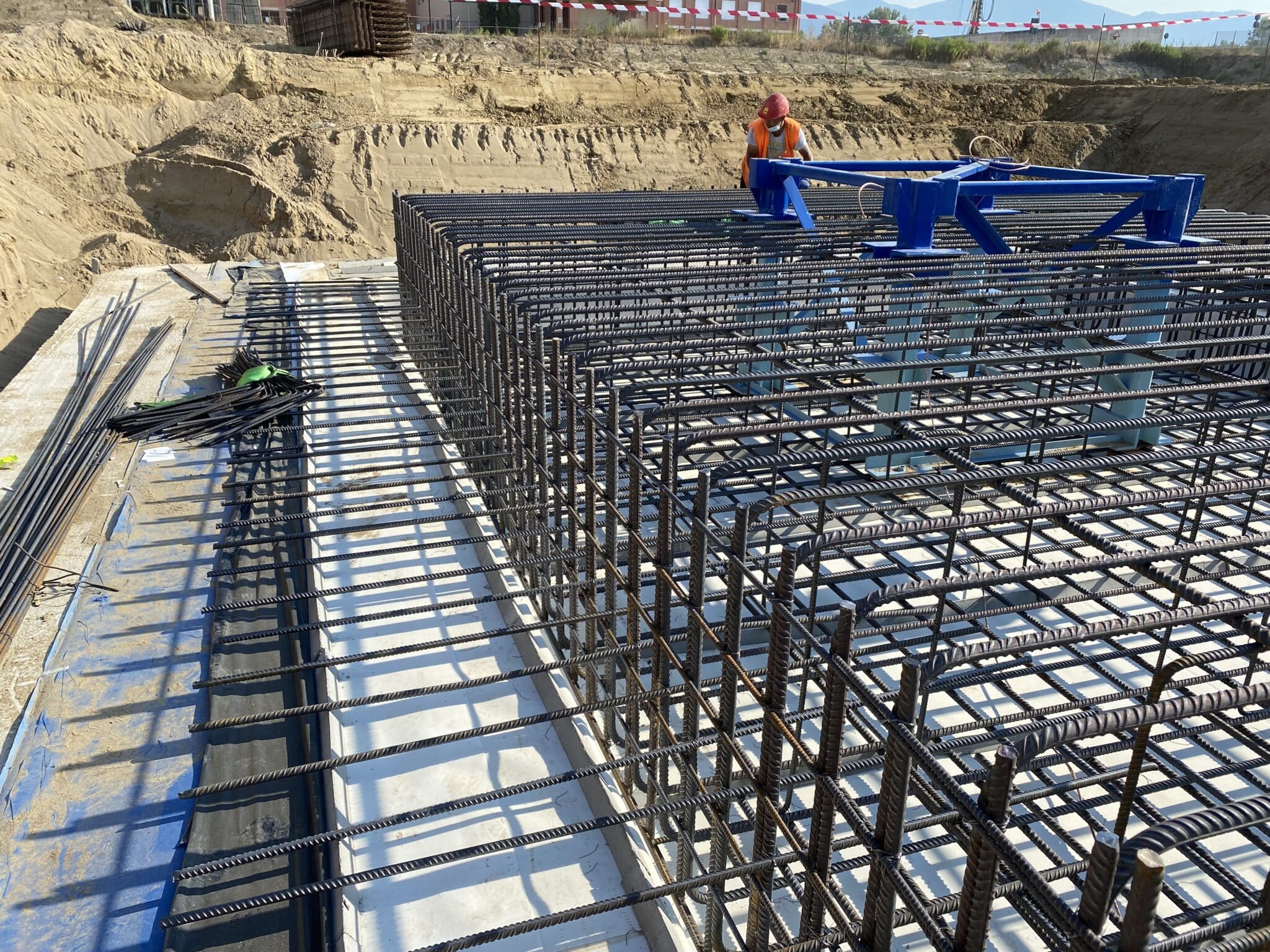
The importance of site preparation is paramount to the success of any below-grade waterproofing project not only from a quality perspective but also to keep the project on track and on budget. There are several steps to take to ensure proper site preparation is considered for below-grade projects. Today we will focus on dewatering, which is one of the most important activities in regard to preparing and maintaining a site where water is present during the below-grade construction process.

Dewatering is the intentional removal of groundwater or surface water from a site. This process is critical to keep groundwater from entering the site, controlling erosion, and therefore allowing construction activities. Dewatering is critical to the success of the waterproofing system as well as to ensure the structural integrity of the structure during construction. From a structural perspective, buoyant forces need to be mitigated, so there is no ability to lift the structure until enough of it is completed or sufficient dead load has been achieved.  In relation to waterproofing, managing site water is imperative for a successful installation.

Waterproofing systems are not designed to be installed in the presence of ponded site water. Water during the installation impedes the ability to form laps, and complete details and can inhibit the ability of certain reactive technologies to perform long term. After the waterproofing installation is complete but before concrete placement for under slab or blindside walls, hydrostatic pressure can also exert stresses on laps and detail areas which may further compromise the system. Controlling site water and hydrostatic pressure until the concrete is in place and has achieved structural integrity is critical.

There are many methods or combinations of methods to mitigate water from entering or evacuating water from a site that can be temporary or permanent. The section of the shoring system is often driven by the dewatering needs, and the shoring system should also be considered when selecting the waterproofing system to ensure it is conducive to the site conditions.  Shoring systems designed to act as water cut-off walls, such as sheet piles, slurry walls or soil/cement mix walls can be effective means for preventing water from entering a site and are more commonly used in permanent dewatering situations, generally having less of an effect on groundwater levels outside of the site. Dewatering methods within the excavation will typically be sumps, wellpoints, or large diameter wells to lower the water table or evacuate water from the site. All these methods can be used independently or in conjunction with one another.

It is critical to have a well-developed dewatering plan in place prior to construction based on the site-specific geotechnical considerations to ensure a successful waterproofing installation and overall project.

If you have any questions about site preparation or dewatering Polyglass has an experienced waterproofing team ready to support your questions and assist with your project needs. Contact us today to learn more.


Continuity of Waterproofing for Below-Grade Structures

There are many options and considerations when designing, selecting, and installing below-grade waterproofing systems. It is important to evaluate systems based on the complexity of the project design, site conditions, scheduling, and of course budgets. In this article, the waterproofing experts at Polyglass focus on the top considerations for ensuring a continuous watertight system.

Waterproofing at Laps, Seams, Transitions, and System Penetrations

The most vulnerable points in your waterproofing system occur at laps or seams, transitions, and penetrations through the system. To ensure you are addressing each of these critical areas it is essential to pay attention to the “details.”

  • Laps or seams occur in any sheet waterproofing membrane. In order to ensure a watertight lap or seam, the installer must use methods that include lining up the seams properly and ensuring any taping or other redundancies that are required by the manufacturer are followed. Avoid pitfalls by selecting systems that have pre-printed guidelines at the laps, and have minimal requirements for treating laps which will result in less labor and potential for workmanship issues.
  • Transitions between different waterproofing systems, such as tie-ins between post-applied and pre-applied membranes and various structural elements, are often left out of project designs, leaving the GC and installer faced with making on-site decisions on how to address these transitions. A pro tip to ease the pain of these on-site discussions, which will undoubtedly cause costly delays, is to have a pre-construction meeting dedicated to the waterproofing installation before the commencement of the work with designers, installers GCs, and all relevant trades affecting the waterproofing installation, and the manufacturer technical team to ensure these details and the sequencing of the work is discussed prior to construction beginning.
  • Penetrations by nature cause a breach in your waterproofing system. Breaches are vulnerable points and require robust detailing approaches. A pro tip for addressing penetrations is to select a system that has liquid detailing products complimentary to the sheet membranes. Liquids detailing products are easy to adapt to irregular-shaped penetrations and can be used in a variety of areas with ease. Ensure this liquid detailing product is compatible with the membranes and products that it will come into contact with. Discuss compatibility testing with your technical team from the manufacturer.

In summary, the system you select and the technical support you receive from the manufacturer will play a significant role in your project’s success.

At Polyglass we offer 24/7 technical support to answer questions, review drawings, partner with you at pre-construction meetings, and provide you peace of mind that your project will be done right the first time.

Contact us today to learn more about how we can assist you with your next below-grade waterproofing project.

A Roofing Solution for the Hurricane Season

It’s that time of year again in the Northern Hemisphere when building owners, contractors, and homeowners living along the Eastern Seaboard and coastal areas of the Gulf of Mexico start wincing at the all-too-familiar phrase, “Hurricane Season.”

June 1st to November 30th is the Atlantic storm season. According to the National Oceanic and Atmospheric Association (NOAA), which monitors and forecasts weather events that could adversely impact the US, individuals have good reason to feel concerned. The frequency and intensity of storms during the Hurricane Season are on the rise.

2021 saw an active Atlantic hurricane season, with more than 21 named storms along the Atlantic coast. The NOAA predicts “above normal” hurricane activity again in 2022, marking the seventh consecutive year of above-average tropical cyclone activity in the Atlantic basin.

Hurricane Preparedness – Why is It Important?

Hurricanes can be scary and devastating, especially for the ill-prepared.

Your family, loved ones, and property are the best Hurricane from the view of a roofreasons to be ready for any adverse weather events. A home is, with few exceptions, the single largest purchase the average American will make, and that investment is worth protecting.

Many authorities offer sound advice on hurricane preparedness, which often includes suggestions for developing evacuation plans, having a Hurricane Emergency Kit ready, and taking the necessary steps to protect homes and buildings.

French microbiologist and chemist Louis Pasteur maintained that “chance (or fortune) favors the prepared mind.” In the roofing world, this translates to, “Those who prepare will fare the best in times of a tropical storm.”

Having the right roofing system in place is an excellent way to withstand a busy hurricane season.

Polyglass Solutions for Hurricane Preparedness

Polyglass offers products and techniques to aid everyone from the average homeowner to the experienced professional with all their low or steep-sloped roof maintenance and weatherproofing needs.

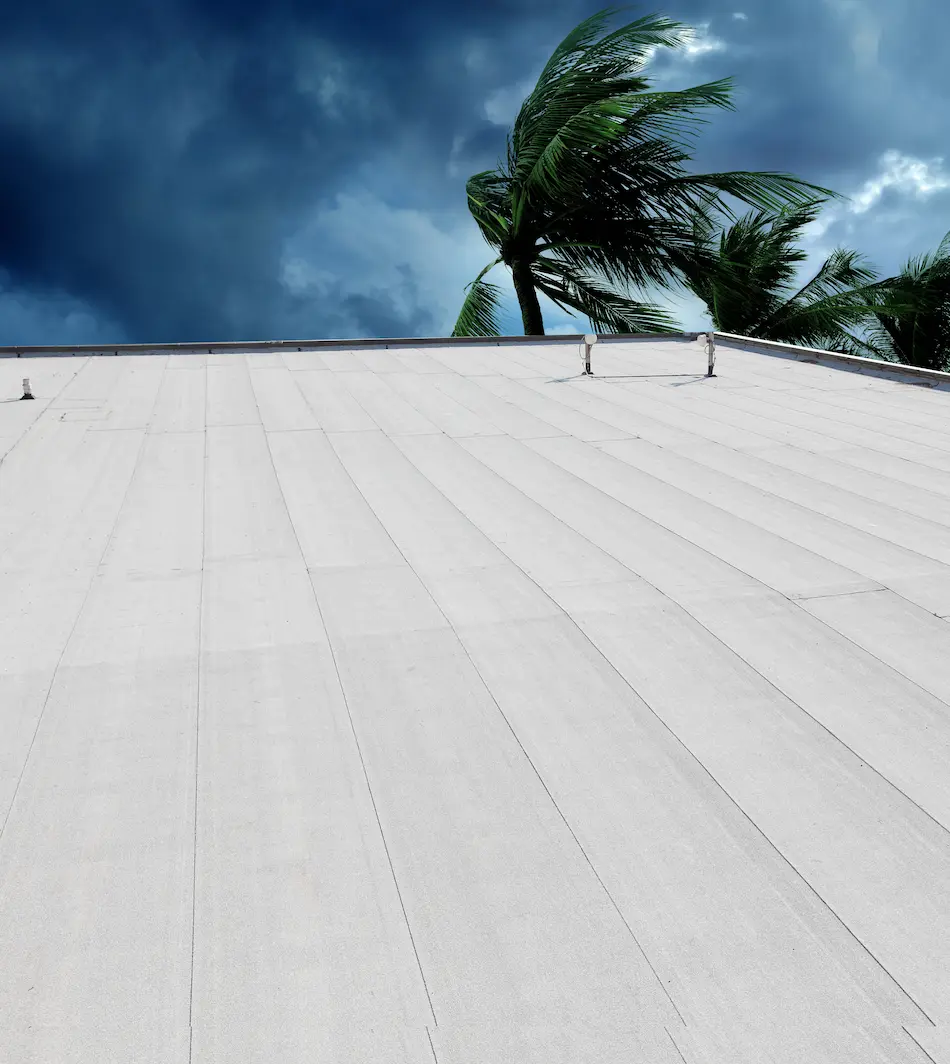
Specialized systems like Polyglass’ Velociflex Roofing System for low-sloped roofs can be an ideal solution for buildings in storm-prone areas. This high wind-resistant roof assembly’s ease of installation and performance characteristics can offer peace of mind when severe storms occur.

With or without thermal insulation as part of the design, the loose-laid and then mechanically fastened in-the-seam base sheet and fully heat-fused surface membrane resist wind forces and drive rain associated with such severe weather.  In fact, the Velociflex systems were independently tested, providing high-speed wind protection up to 270 psf (pounds per square foot).

The fusing of impermeable membrane layers into a redundant membrane system is superior to many other roof types commonly used in severe weather regions.

Outstanding Roof Performance and Longevity

Polyglass solutions like our Velociflex Roof System offers users quality products and performance to protect your most significant investment.

Contact a Polyglass expert today to learn more about how we can offer you peace of mind and better preparedness for the upcoming Hurricane Season.

Polyglass Kool Roof Solutions for Low-Slope Roofs

Due to the wide surface area that they cover, roofing systems for low-slope roofs get their fair share of exposure to different weather conditions. Prolonged rain, UV, and wind exposure can significantly reduce a roofing system’s performance and overall lifespan. As a result, repairs need to be made, and costs that could’ve been avoided altogether have to be provisioned for.

Let’s look at how Polyglass’ uniquely designed low-slope roofing membranes help protect roofs from UV deterioration while increasing a building’s energy efficiency and reducing its environmental impact.

Cool Roofs – A Recap

Keeping buildings cool is as much a need for comfort as it is necessary. When looking for solutions to cooling a building, the first place to look is the widest surface area that the sun’s rays hit – often its roof. When relentless UV rays penetrate a roof’s structure, they can cause many problems, including energy wastage, excess interior heat, and decreased roof durability.

Challenge 1: Energy efficiency

Did you know that your energy bill increases for every minute your roof does not have a reflective surface? As the building’s interior heats up from its roof, more energy is needed to power air conditioners to cool the interior climate. Installing a reflective roof helps redirect UV rays into the atmosphere, and reduces heat penetration, ultimately saving energy.

Challenge 2: Increased humidity

Rising temperatures within a building from heat absorbed through a roof aren’t just unbearably hot but also give way to humidity and, worse, mold or structural damage. Any crawl spaces, bathrooms, and attics without sufficient ventilation are areas prone to humidity build-up. Even windows, doors, and plumbing, when not properly sealed, provide an entry point for humidity to set in.

Challenge 3: Urban heat island effect

Every urban area started as a rural area. Tar roads, pavements, and buildings made of concrete and asphalt – materials that absorb heat instead of reflecting it – replaced the trees and grass that cooled the land as precipitation occurred. An urban heat island forms without the natural systems that allow surfaces and air to cool off, which increases ambient and indoor temperatures.

Challenge 4: Roof system durability

Blistering, deterioration and damaged sealants are a few ways UV rays decrease a roof system’s reliability.

  • Blistering: The first stage of blistering occurs when cracks or holes develop on a roof’s surface. The actual blister appears when water enters these cracks and expands, lifting the tar paper or roofing felt. Blistering loosens roofing granules that protect the roof from the harsh effects of the weather, leaving the roof vulnerable to further damage.
  • Deterioration: Because the roof is made up of chemicals, UV rays attack the composition of the roof’s surface. Over time, direct exposure to sunlight causes these chemicals to deteriorate. Deterioration affects the roof’s water-shedding performance and, when left for too long, it could cause the roof to fail prematurely.
  • Damaged Sealants: Sealants protect the roof against damaging elements like rain, snow, and ice. However, UV radiation breaks down the chemicals in roof sealants, compromising their integrity. Once this happens, the entire roof will lose its structural integrity giving way to tears, breaks, and even worse, collapse.

As volatile organic compound (VOC) regulations have tightened over the years, the need for cooler roofing solutions has increased. Different state-based Cool Roofing codes, standards, and ordinances have also pressured manufacturers into developing more sustainable roofing products, known as “cool roofs.”

Cool roofing products now outpace traditional roofing materials in popularity due to their ability to reflect solar energy (ultraviolet sunlight) and cool themselves by emitting thermal heat. They help extend a roof’s lifespan and are also more energy-efficient.


Polyglass Kool Roof Solutions

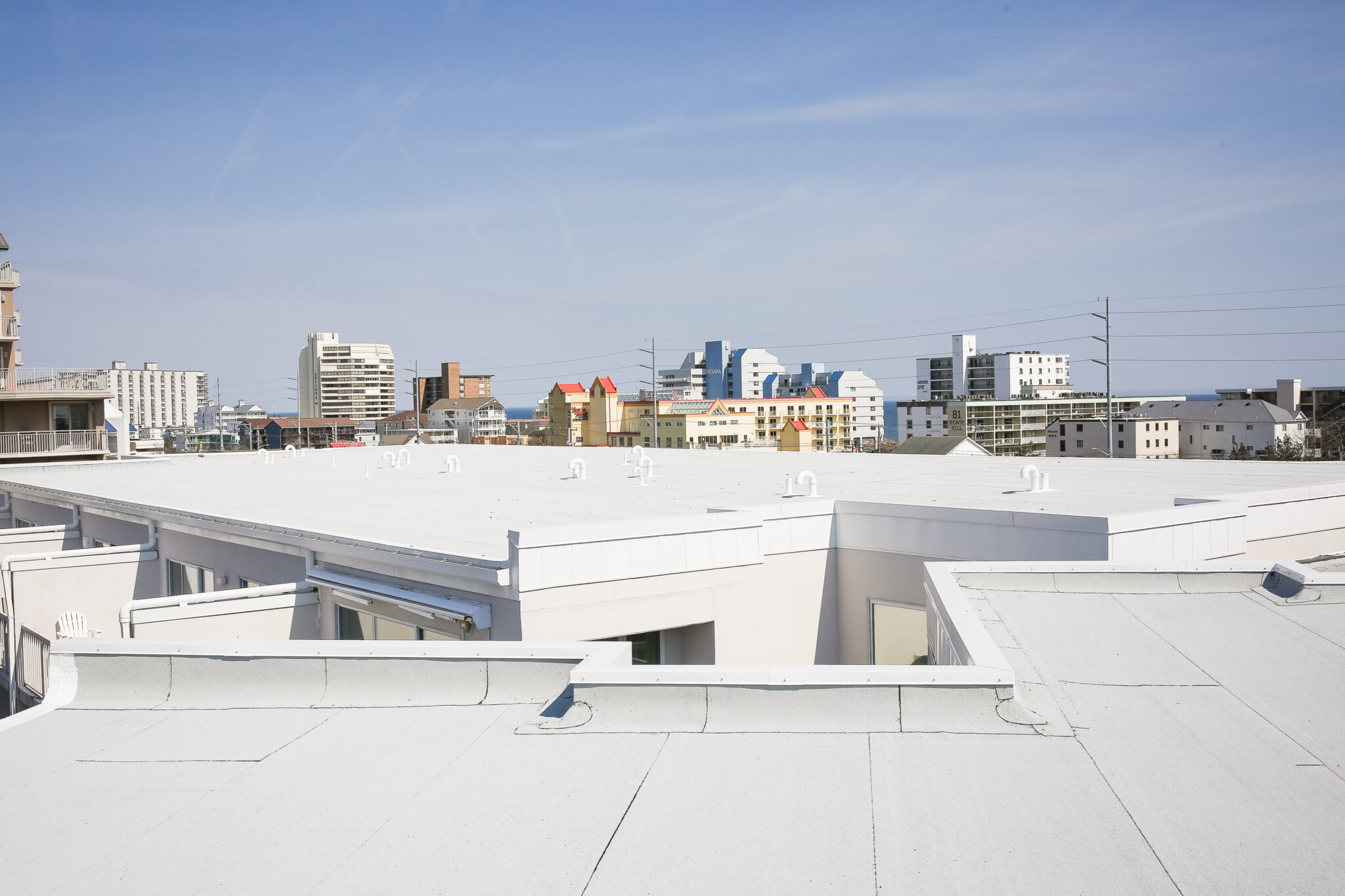
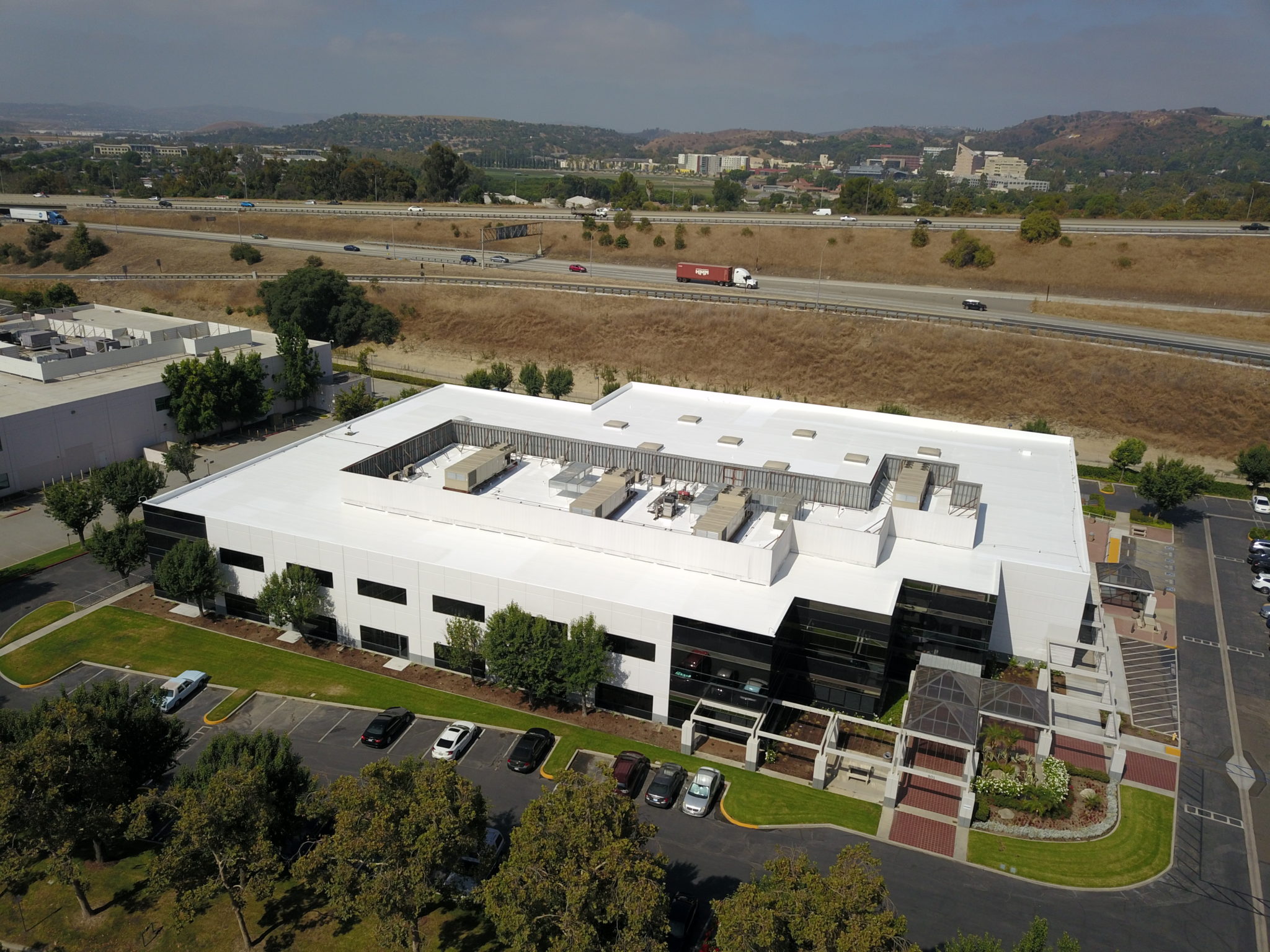
Polyglass’ Kool Roof Solutions™ offers innovative cool roofing products for building owners, roofing contractors, and specifiers. Our white membranes and elastomeric roof coatings comply with Title 24, Part 6 of the 2016 California Building Energy Efficiency Standards and are formulated to help reduce UV deterioration, increase reflectivity, and significantly extend a commercial or residential roof’s lifespan.

Polyfresko® APP and SBS CAP Sheets

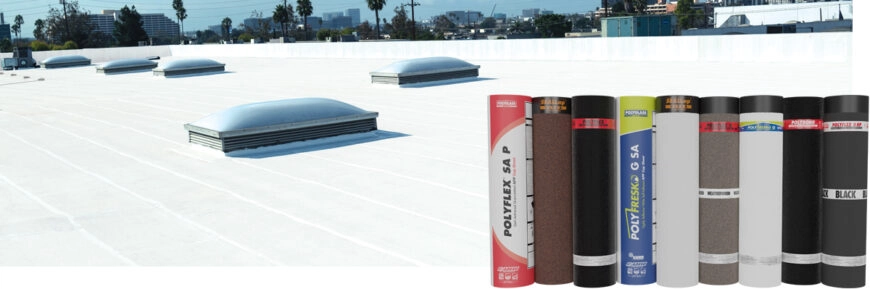
Our Polyfresko® Atactic Polypropylene (APP) and Styrene-Butadiene-Styrene (SBS) modified bitumen membranes are available as self-adhered (SA) and heat-welded membranes. They are equipped with patented thin-film CURE Technology® providing a minimal surface finishing for improved reflectivity and protection from ultraviolet rays. Our Polyfresko range has also been designed to resist asphaltic bleed and color staining to retain their reflectivity and color integrity.

Polyfresko GPolyfresko G

Polyfresko G is a plastomeric granulated cap sheet used in low-slope roofing. Made from the highest quality non-woven polyester reinforcement, it is flexible, dimensionally stable, and tear and puncture-resistant.

The exceptional granule retention, scuff resistance, and UV stabilization for long-term durability and performance are from a thin innovative technology known as CURE Technology.

With an initial Solar Reflectance Index (SRI) of 96 and 83 (3-year weathered), Polyfresko G is suitable for most cool roof specifications.

Polyfresko G maintains exceptional reflectivity over time – proving that it has staying power. It is resistant to discoloration and scuffing so that it stays looking presentable and is damage-free for a long time. Polyfresko G’s premium membrane construction makes it one of the strongest on the market, and it has granule retention of 0.09 g loss vs. the minimum requirement set forth by ASTM (2.0 gram-loss).

Polyglass products have proven that your low-roof will be durable for many years to come.

Polyfresko G SBS HP FRPolyfresko G SBS FR

Another cool roof membrane offered by Polyglass is Polyfresko G SBS FR. This elastomeric granulated cap sheet is of premium quality with fire-retardant additives. Non-woven polyester reinforcement provides flexibility and dimensional stability as well as excellent tear and puncture resistance.

CURE Technology® is also used in Polyfresko G SBS FR. This highly reflective granule surface meets, or exceeds, most standards for cool roofing. And, it doesn’t stop there.

The Polyglass’ patented ADESO® Self-Adhered Technology allows for quick and easy installation, while innovations such as FASTLap® and SEALLap® Ultra enable exceptional watertight seams.

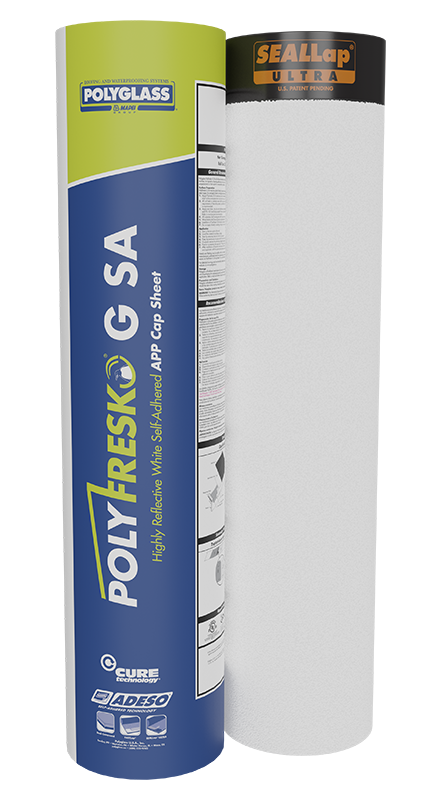
Polyfresko G SA

Polyfresko G SA is a self-adhered Atactic Polypropylene (APP) granulated cap sheet for low-slope roofs. It is intended for use as the primary weathering surface in new or re-roof applications. It offers a highly reflective granule surface (with an initial SRI of 96 and 83 aged) that meets or exceeds most standards for cool roofing.

Polyfresko G SA is also manufactured using ADESO SA and CURE Technologies.

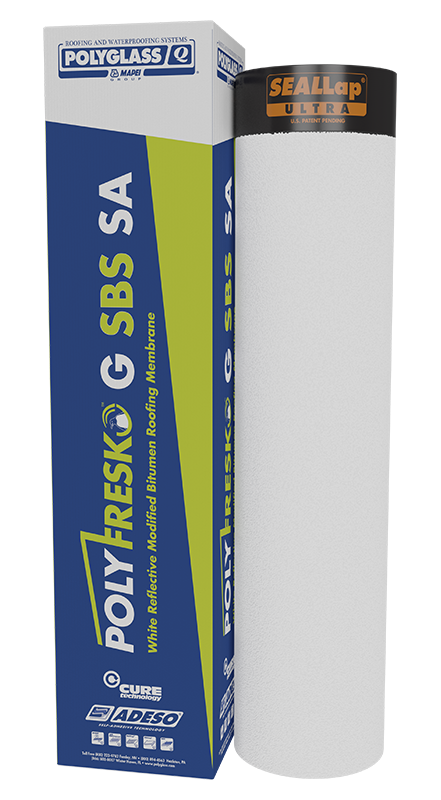
Polyfresko G SBSPolyfresko G SBS SA

Polyfresko G SBS SA is a self-adhered Styrene-Butadiene-Styrene (SBS) granulated cap sheet for low-slope roofs. Here, a “true” elastomeric compound is applied to the top of the membrane, and an aggressive self-adhesive compound is applied to the bottom.

Constructed with a superior non-woven polyester reinforcement, Polyfresko G SBS SA provides excellent tear and puncture resistance, flexibility, and dimensional stability.

PG and Polybrite White Elastomeric Roof Coatings

Polyglass’ PG and PolyBrite® white elastomeric roof coating products provide industry-leading reflectivity and UV protection, helping to keep building temperatures cool. These coatings are some of the best roof solutions ideal for most roofing substrates, including polyurethane foam, modified bitumen, plywood, and concrete.

The coatings use proprietary formulations to reduce roof temperatures and offer a unique ability to extend a roof’s lifespan. They cure to form a seamless liquid-applied roof membrane. Suitable for new construction and re-roofing, each system provides high tensile strength and elongation, as well as resistance to fungus, algae, and dirt pickup.

Why Install a Polyglass Kool Roof?

Take a look at how Polyglass meets and exceeds industry reflectivity ratings.

Designed to provide incomparable coverage for virtually all that Mother Nature can subject it to, Polyglass’ extensive product line of self-adhered modified bitumen membranes is the answer to a range of residential and commercial roofing challenges.

Contact us today for technical advice on the best cool roof materials for your own roofing projects.

Commercial Roofing Applications: An Overview

Different job sites and scenarios may call for diverse roofing application methods. Roof covering types, the local weather, standards for on-site construction, and ease of access are all pieces of a puzzle that need to be considered when installing or replacing a low- or steep-sloped roof.

Common roofing application techniques that can be used include self-adhered, heat-applied, liquid or cold applied, and mechanically fastened. Let’s explore the range of cutting-edge products and solutions Polyglass offers contractors for tackling their different roof installation and repair projects.

Self-Adhered Roofing Products

Specific roof coverings and surfaces require that you use certain roofing applications. Roof shingles and granulated surfaces, for example, prohibit using heated adhesives or hot asphalt for securing roofing materials. In such cases, it would make sense to use self-adhesive polymers.

Self-adhered (SA) roofing techniques are preferred for several reasons. SA products offer low-temperature flexibility, elongation, and adhesion that far outweighs those of regular mopping asphalt. Modified bitumen base and cap sheets are overlapped and settled in place with the help of an adhesive layer on the bottom of the sheet. Once the protective layer on the end laps is detached, the sheets can be pressed into place.

Polyglass’ dual compound self-adhering SBS and APP membranes use a proprietary formulation, ADESO® Technology, consisting of the highest quality asphalt, polymers, and modifiers, featuring a true APP or SBS formulation on the top weathering side and an aggressive self-adhered formulation on the bottom side of the reinforcement.

As a roofing application method, self-adhered is economical, saves time, is effective for cold weather installations, and is less disruptive to a building’s occupants, with none of the toxic fumes common with torch-applied roofing products.

Heat Welded Roofing Products

Heat welding also goes by “torch applied,” torch-down,” or “torch-on” roofing. The heat welding process can be toxic and hazardous to those working with it. The technique involves heating the roofing membrane with a hot air welding gun until it reaches its melting point. Membranes can then fuse to the roof’s surface to provide an adhesive layer. The membrane roll creates strong, watertight seams making heat welding ideal for waterproofing.

Polyglass APP and SBS Heat Welded Membranes

The Polyglass APP and SBS heat welded membranes ranges are robust and comprehensive.

APP Heat Welded Membranes

The proprietary APP compound was developed to provide quick, consistent “bleed-out” at seams and an efficient flow for the complete bond when heat-welding.

When heat welded, APP membranes melt at higher temperatures than SBS membranes, giving them a more fluid consistency and making them easier to work with. APP membranes are often used on smaller roofing areas because they flow more easily.

Our Polyglass APP heat welded membranes include our Polyfresko® APP plastomeric cap sheets, Polyflex® and Modibond® granulated cap sheets, and Polybond® APP/base cap sheets.

SBS Heat Welded Membranes

SBS roofing membranes contain a type of synthetic rubber known as styrene-butadiene-styrene. They have a lower melting point but become stickier when exposed to sufficient temperatures. Some of their benefits include superior protection, energy efficiency, low maintenance, and impact resistance.

Polyglass’ SBS heat welded roofing membranes include our Polyfresko® cap sheets, Elastoflex V base/interplay sheets and membranes, our Elastobase® base sheets, and Elastoshield® granulated cap sheets, and our Polyfresko elastomeric cap sheets.

Liquid or Cold-Applied Roofing Products

Liquid or cold-applied is a roofing technique that doesn’t require using a naked flame. As the liquid evaporates, the material cures, forming a sealed layer on the roof. This solvent or water-based liquid application has become a trusted standalone roofing solution through the years.

Cold Application Benefits

  • Because no flame is needed, this roofing technique reduces the toxic fumes given off during a torch-applied installation.
  • Other benefits to using the liquid technique are energy efficiency and prolonged roof life.

Cold or liquid-applied roofing is best used when the existing roof doesn’t need replacing but rather a quick-applying easy roofing solution. It’s worth keeping in mind that the adhesive becomes more viscous at lower temperatures, thereby affecting the speed it is applied.

Polyglass Elastomeric Roof Coatings

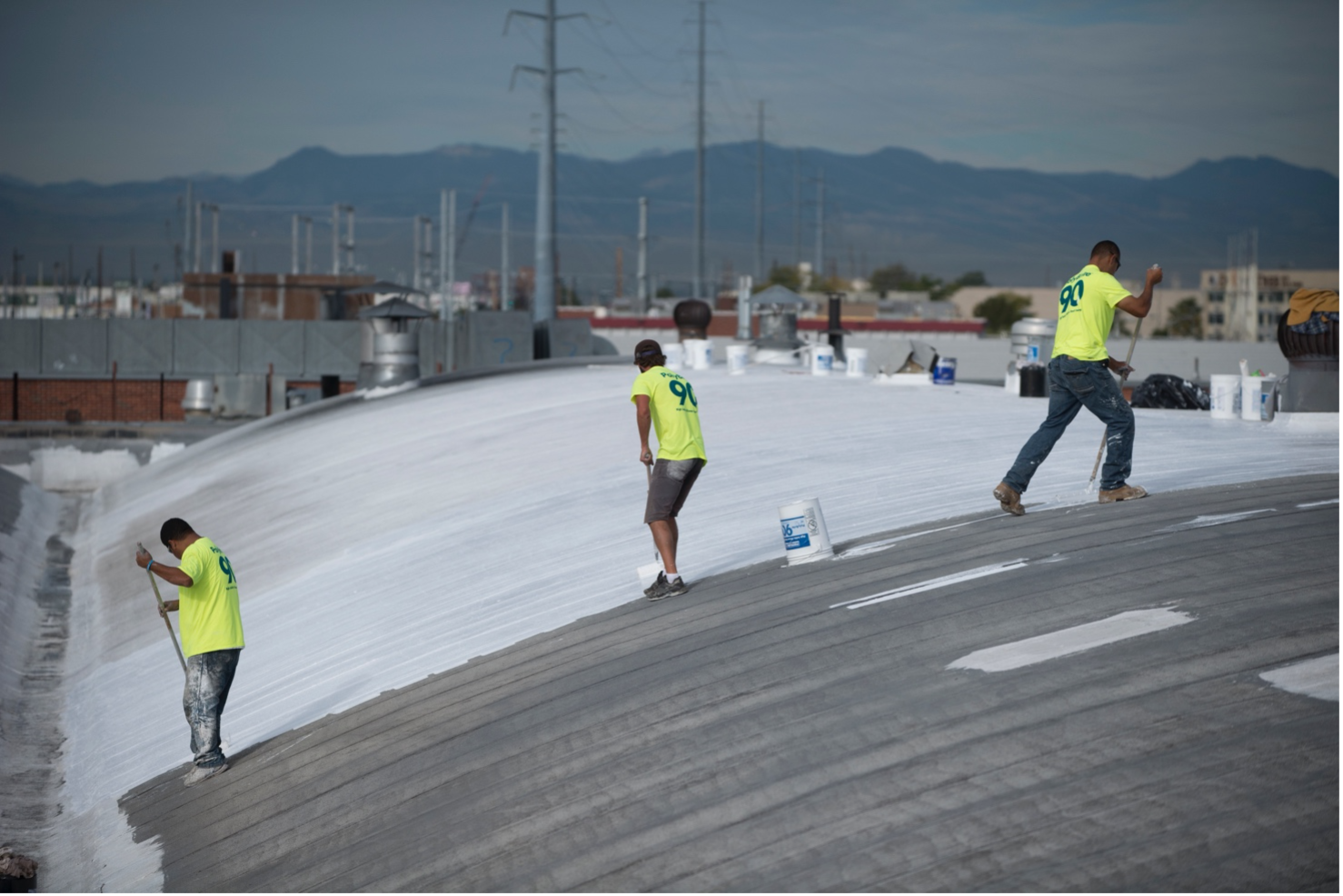
Polyglass’ liquid-applied elastomeric roof coatings are made of silicone or acrylic. Whether you’re installing a new or existing roof, the Polyglass elastomeric roof coating systems will provide a water-resistant, fully-adhered seamless roof membrane – a complete solution.

For the elastomeric roof coating to be effective, the application process needs to be followed to the tee.

The advantages of Polyglass elastomeric roof coatings are numerous. A few of them include:

  • Extending the useful life of the roof, which means less frequent roof replacements and less waste in landfills.
  • Offering excellent resistance to extended exposure to harsh UV rays.
  • Reducing energy costs by decreasing roof surface temperature.
  • Offering high tensile strength and elongation.
  • Resisting dirt pick-up.
  • Resisting fungal and algal build-up – even in high humidity conditions.

Our elastomeric roof coatings are also low VOC, non-flammable, and present a minimal hazard to the applicator or the environment.

PolyBrite® Liquid-Applied Silicone Roof Coatings

The video below shows before and after footage of an ICU Medical Warehouse project in Santa Fe Springs, CA, which used PolyBrite® 98 Primer and PolyBrite 90.1, a premium liquid applied silicone roof coating product that cures to a highly durable and flexible membrane.

PolyBrite Roof Coatings Benefits:

  • Moisture cured.
  • Cures to form a seamless membrane when applied over the entire roof.
  • Keeps the roof surface cool.
  • Protects from UV rays and other weather exposures.

Mechanically Attached Roofing Products

Commercial and residential roofs repeatedly exposed to high-speed winds need materials to be mechanically reinforced to assist with uplift resistance. “Mechanically attached” means that the membrane is only fastened in seam areas, using concealed adhesive, or exposed or concealed fasteners.

A mechanically fastened roofing system with self-adhered side lap bonds and end-laps can offer maximum high-speed wind protection. Polyglass’ SBS-modified bitumen membranes can be mechanically attached, while Modibase® is an SBS-modified bitumen roofing membrane designed for use as a base sheet for mechanically attached systems.

Cold-Climate Installations

Colder climates need roofing systems that can weather ice, snow, and rain. Builders have learned the hard way that traditional roofing products don’t perform very well during installation when temperatures fall below ambient ranges (40°F–45°F/4°C–7°C).

Precious time is spent applying adhesive that needs a long time to cure – making for a complex application, while other products crack when unrolled. Overall, the roof structure is compromised because surfaces fail to bond. These challenges would require that you look in the direction of roofing products designed to make cold-weather roofing applications easier.

Polar Base® Membranes and Polar Cap® Sheets

Polyglass’ Elasoflex SA V Polar Base membranes and Elastoflex SA Polar Cap Sheets have been developed for use at below ambient temperatures (between 25°F–60°F/-4°C–16°C) as an effective defense against harsh elements and humidity.

Roofing is What We Do Best at Polyglass

Our selection of roofing products assists with commercial and residential roofing applications for steep-slope or low-slope roofs.

We provide premium-quality self-adhered bituminous roofing underlayments for steep-slope roofs. Our modified bitumen roofing membranes are also the perfect solution for low-slope roofs. Lastly, our premium acrylic and silicone elastomeric coating products are ideal for new and old roofs.

From liquid-applied to mechanically attached, whichever application technique you prefer, Polyglass has a superior range of products to get the job done seamlessly and efficiently. Contact us today to discuss your commercial or residential roofing needs.

30-Year Milestone Reached for Polyglass USA

How better to mark three decades of reliable and cutting-edge product development for the U.S. roofing and waterproofing industry than to set sights on another 30 years of exciting business development and growth?

With CEO Natalino Zanchetta at its helm and the support of the Mapei® Group, such are Polyglass USA’s plans. The company now looks to expand into new markets and extend its product lines to offer high-performance waterproofing solutions for the building envelope.

A New and Exciting Chapter of Growth Ahead

Expanding capacity, new lines, and new plants are on the horizon of our growth,” Zanchetto shared in a recent interview for the Realtà Mapei Magazine. “We will double pretty much every plant that we have right now, and we will also create new products…We are expanding our product lines in the building envelope to seal the whole building from the foundation, below grade, building envelope, and to the roof.”

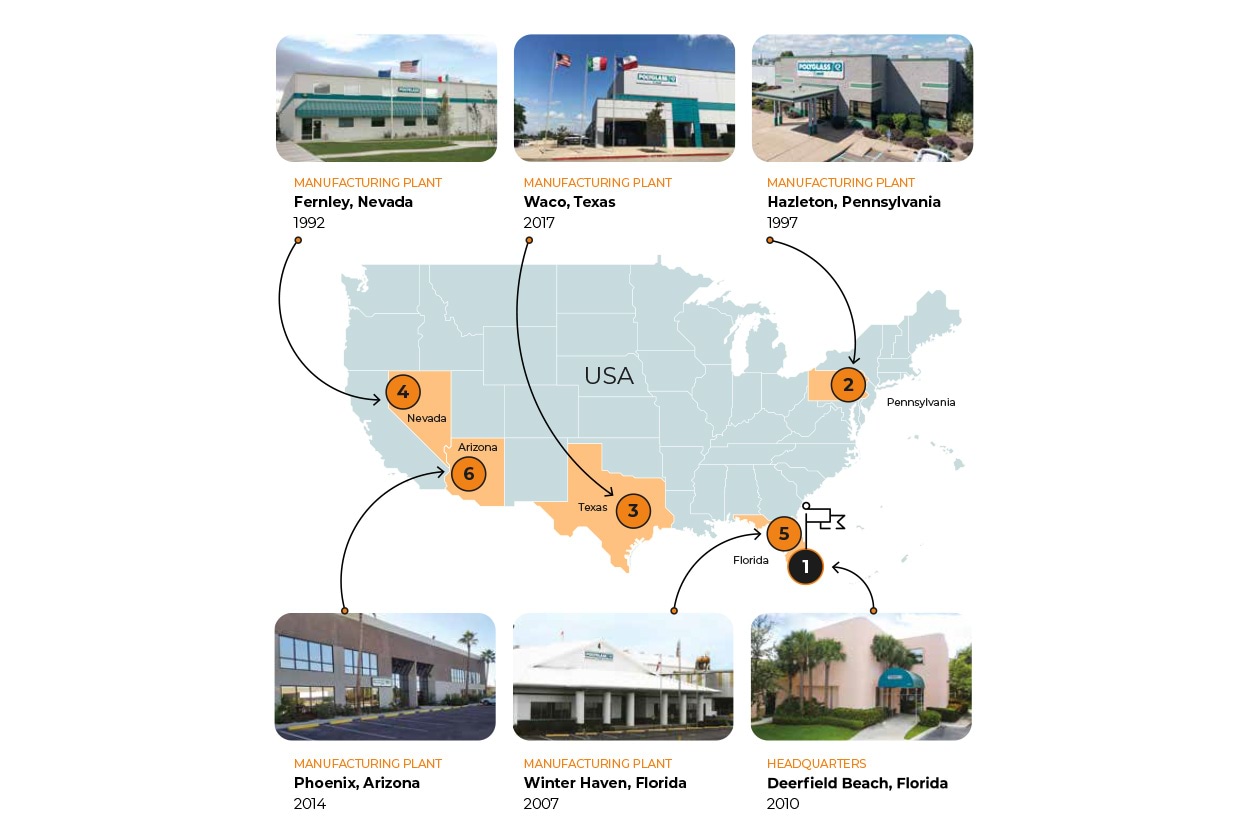
Continuously “evolving through innovation,” Polyglass USA has come a long way since opening its first manufacturing facility and headquarters in Fernley, Nevada, in 1992. With five state-of-the-art manufacturing plants operating across the U.S. and two more planned in Canada and the Caribbean, expansion plans into new markets are well underway.

Polyglass over 30 years celebration

New Waterproofing Solutions for the Building Envelope

Polyglass’ structural waterproofing solutions for the building envelope now include pre-applied and vertical blind-side waterproofing, post-applied foundation wall waterproofing, waterproofing primers, and accessories.

Below-Grade Waterproofing Membranes

  • Pre-applied: Mapeproof™ AL PRO is a pre-applied, fully bonded HDPE waterproofing membrane that is ideal for horizontal slabs and vertical blind-side applications. Mapeproof AL PRO bonds integrally to poured concrete, forming an adhesive bond, and is designed to protect below-grade structures from water intrusion and lateral water migration.
  • Post-applied: Mapethene™ LT60 and Mapethene™ HT60 are post-applied self-adhered waterproofing membranes for below-grade structures and elevated decks. Mapethene LT60 is ideal for low-temperature applications (between 25°F – 60°F / -4°C – 16°C), while Mapethene HT60 is suitable for installations where the ambient temperature is above 40°F (5°C). Both membranes are cold applied without using flames.

Below-Grade Waterproofing Primers

  • Solvent-based: Mapeprime™ 710 is a low-VOC, solvent-based adhesive primer for Mapethene LT60/HT60 and is also for vertical and horizontal applications. The primer is quick-drying and improves the adhesion of LT60/HT60 membranes to many substrates.
  • Water-based: Mapeprime™ 720W is a water-based and non-flammable adhesive primer for Mapethene LT60/HT60. It is also quick-drying and used for vertical and horizontal applications and can be used to attach Mapedrain™ drainage boards or mats to Mapethene™ and Mapeseal 250GC.


30-Year Milestone Message From Mapei Group

Co-CEOs and Global Development Directors of the Mapei Group, Veronica and Marco Squinzi, had the following message to share with the Polyglass USA community:

“On the occasion of our 30th anniversary of production in the United States, we wanted to wish you congratulations on all your achievements… We have been proud to have Polyglass as part of the Mapei Group [since 2008], and we are very pleased with the tremendous growth of Polyglass over this time.

“We are very excited [about] what the future will bring for Polyglass in the U.S., and we look forward to continuing to support your growth and expansion. We would like to wish the entire Polyglass community greater success in 2022 and for the next 30 years.”

Polyglass USA looks forward to celebrating 30 years of innovation in the U.S. building and roofing industry this year at upcoming trade shows and events.

Contact us today for more information about our new waterproofing product lines and services.

Roof Maintenance – The Secret to Longevity

Despite the digital era in which we live – where the answers to our questions are often a simple Google search away – commercial building owners, roofing contractors, and regular homeowners still struggle with indecision around roof maintenance. They wonder if they need it, how often it is necessary, and what they actually need to do.

As roofing experts, Polyglass can offer some clarity. We provide numerous roof maintenance solutions, regardless of the roofing system or installation methods.

Roof Maintenance – Why is it Important?

Like so many other parts of a home or building, your roof is designed to perform within its limitations. Few roofing products and installation methods used in the built environment are ever intended to be permanent, with no need for regular inspections and upkeep.

Roofs are permanently exposed to the elements and forces of nature that can impact their performance. Tree limbs fall, leaves build up, animals get onto the roof and build nests (or worse), and ultraviolet (UV) light exposure ages surfaces: these are all reasons your roof should be properly and regularly inspected and cared for.

Roof maintenance is also about repairs. Things can happen to your roof – weather damage, damage from non-roof-related activities on the roof (such as regular foot traffic), or changes to roof-top equipment requiring temporary or permanent repairs.

An unmaintained roof can lead to water damage to the roofing materials and building, resulting in premature problems or even system failure. Ignoring your roof and failing to repair and maintain it can take years off its service life and result in wasted money and resources.

On the other hand, adequately maintained roofs can perform trouble-free for many years. As Benjamin Franklin once offered, “An ounce of prevention is worth a pound of cure.” In the roofing industry, a small investment into your roof, like regular roofing maintenance, can add up to years of trouble-free performance.

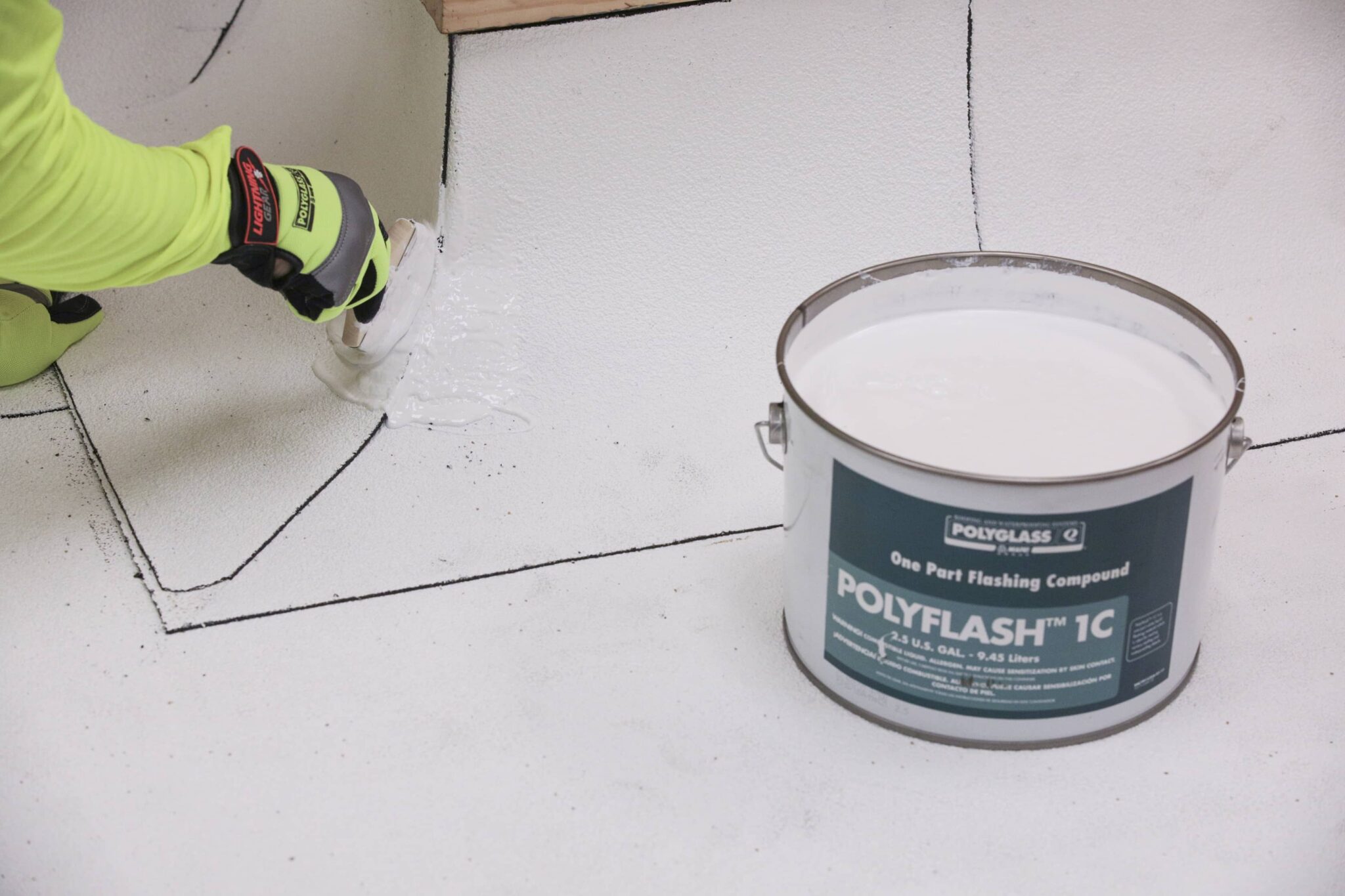
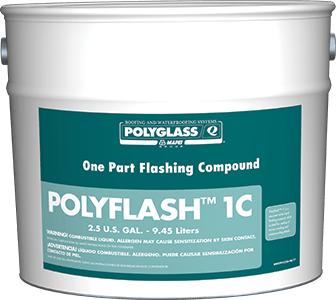
Polyflash 1 C being used by a roofing contractor

How Often Should My Roof Be Inspected?

If you look at industry standards and other published information, most recommend the following:

  • Semi-annual roof inspections: While your roofs should be observed twice annually, the period can depend on where you live. It is typically suggested to have your roof inspected before Fall and again after Winter in colder climates. If you live in a location with particularly rainy seasons, an excellent time to review your roof would be just before the wet weather settles in.
  • After significant storm events. This is generally a good time to inspect your roof and check for airborne debris or wind damage. Equally important is to ensure your roof is draining correctly. Blockage at drains or scuppers can result in major problems with your roof. In fact, many large buildings have had their roof structures collapse due to this very issue.

Polyglass’ Solutions for a Wide Range of Roof Maintenance Needs

Polyglass offers quality products and applications to aid homeowners, professional roofers, and commercial building managers with their low-slope or steep-slope roof maintenance needs.

Our wide range of emulsions, roof coatings, asphaltic-based mastics, and acrylic mastics can assist with any roof maintenance requirements.

PolyFlash® 1C

PolyFlash 1C is a silane-modified polyurethane flashing compound that provides a reliable and versatile sealing and waterproofing solution for roofing details, flashings, and penetrations on a wide variety of roof systems.

PolyFlash 1C provides immediate, but temporary emergency leak repair over wet or damp surfaces. It is also ideal for permanent roof repairs when combined with PolyBrite® reinforcing polyester fabric


PG 500 and Polyplus 50 (PP50)PG 500 Modified Cement

Our asphaltic mastics are commonly used for both steep-slope and low-slope roofs. Polyglass offers two premium products. Our PG 500 and Polyplus® 50 (PP50) are unmatched products for repairs and general maintenance to asphaltic-type roof membranes and various other building conditions.

Asphaltic Mastics for Steep-Slope Roof Solutions

Whether your steep-sloped roof is asphalt shingle, concrete roof tile, metal roof panel, or one of the other many types of products used, Polyglass PG500 and PP 50 are ideal materials to use for:

  • Sealing or resealing your asphalt shingle roof at details (roof to wall, penetrations, etc.).
  • Bonding (“tabbing”) loose asphaltic shingle tabs/overlaps.
  • Repairing damage to your asphaltic shingles.

Asphaltic Mastics for Low-Slope Roof Solutions

Polyglass’ PG 500 and PP 50 are premium products for many roof repairs and general roof maintenance needs for all BUR and polymer-modified roof membranes.* Most exposed mastics used in roof applications require re-working as the elements age these materials over the years. Polyglass’ PG 500 and PP 50 are ideal materials to use for:

  • Sealing or resealing your asphaltic membrane roofs at details (roof to wall, penetrations, etc.).
  • Repairing damage to your asphaltic membrane.
  • Other roof types and conditions, including metal flashing conditions and other non-asphaltic problems.

Regular Roof Maintenance Ensures Roof Longevity

Regular roof maintenance is essential and can extend the service life of your roof. Using quality products to repair and maintain your roof saves time, money, and resources.

For more information about our asphaltic coating products, contact Polyglass today.

*Polyglass offers various non-asphaltic products for roof needs that are not compatible with asphaltic-based materials.

A Truly Resistant Roofing Underlayment – The Polystick XFR Solution

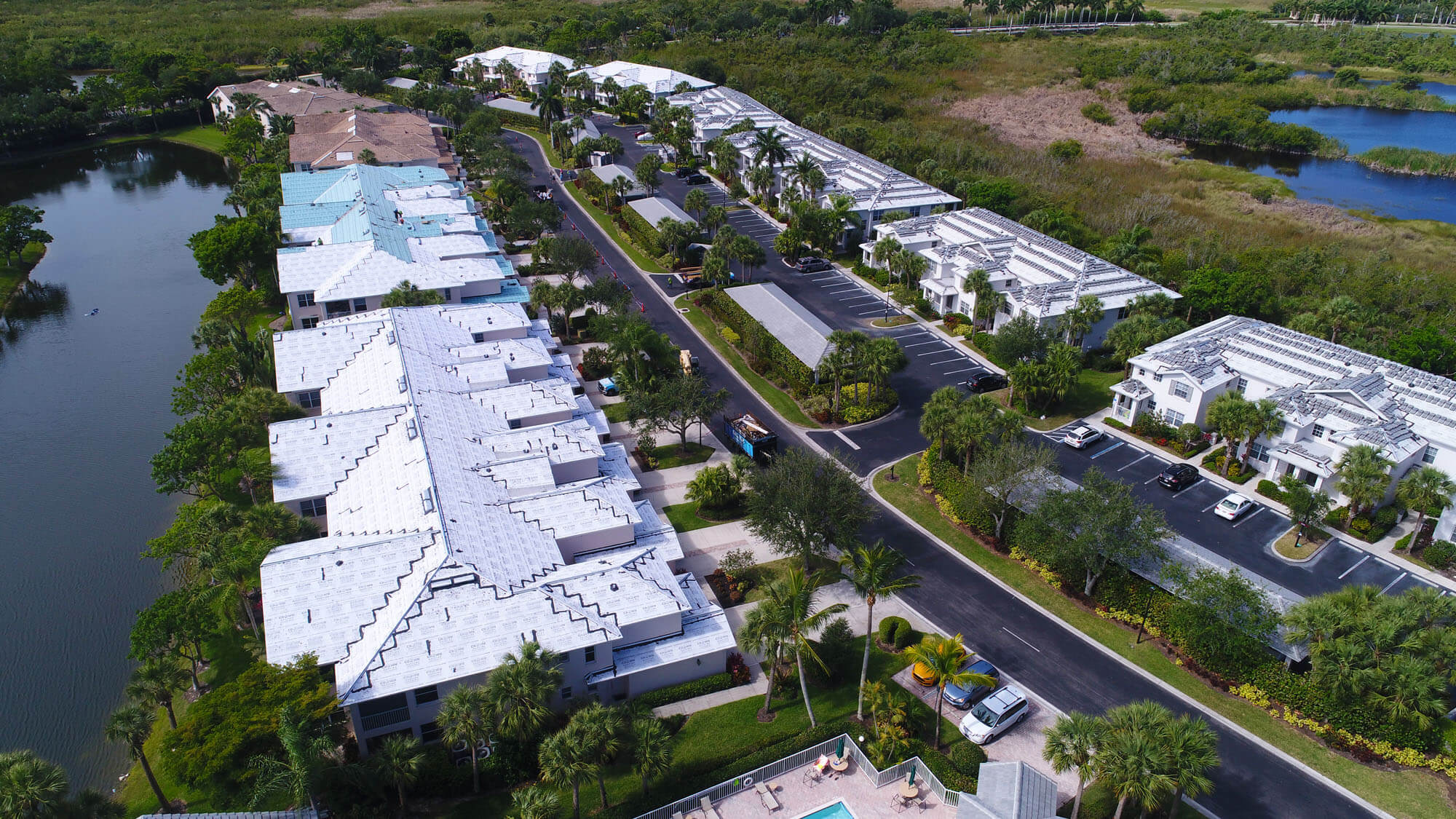
Roof underlayments are critical for the performance and longevity of any roof system. They separate roof coverings and substrates and act as a second weatherproofing barrier to prevent moisture from penetrating roof coverings. They also provide temporary weather protection until a roof covering is completely installed.

But not all underlayments are made equal, and commercial building owners, contractors, and homeowners continue to struggle with their performance. Not surprising, as Building Codes such as IBC 2021 offer little guidance on underlayment performance for steep-sloped roofs. In fact, codes for most roof covering types require little more than a light-duty paper-based felt underlayment, which provides little protection to the building.

Roof worksites, in particular, are a continual orchestra of moving tradespeople and activities and are subject to repeated misuse and phasing of work. Most of these activities are unfavorable to underlayments, especially light-duty materials with inferior fastener sealability, such as synthetic-fabric-based products. While synthetic underlayments for steep-slope roof systems certainly promise a myriad of performance benefits, they fall short of delivery and just can’t hold up to self-adhesive membranes.

Polyglass Solutions for a Truly Resistant Underlayment

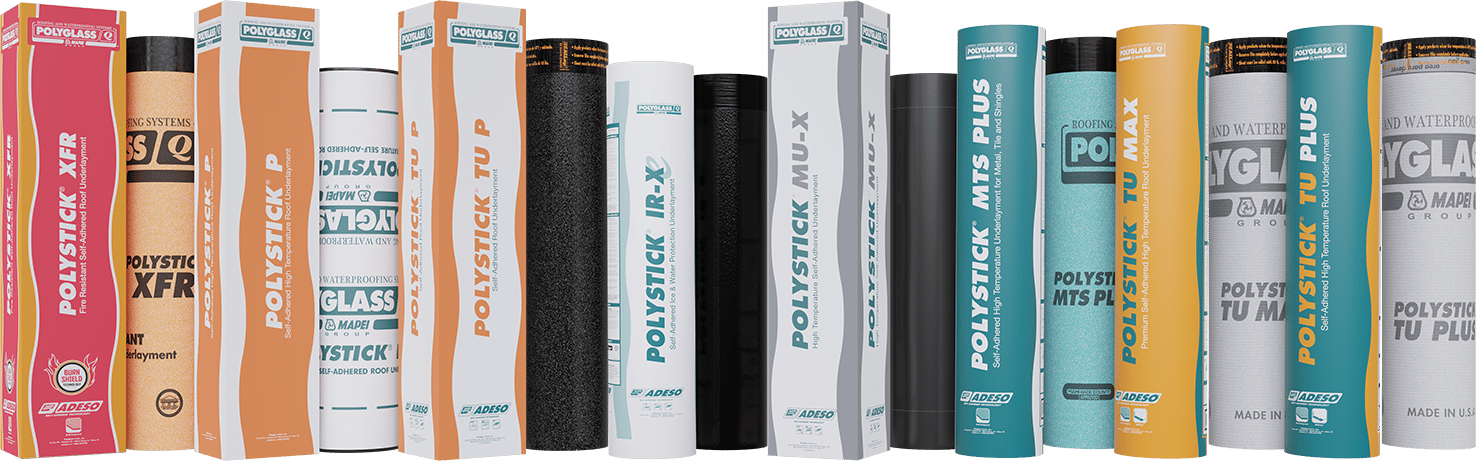
Polyglass’ Polystick® line of self-adhesive (SA) underlayments for commercial and residential buildings offers enhanced resistance against high temperatures and external fire, unmatched waterproofing, and the strength to withstand harsh worksite conditions.


Button CTA

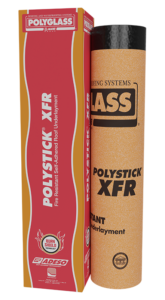
Polystick® XFR

Polyglass’ Polystick XFR is a dual purpose fire-resistant and self-adhered waterproofing underlayment. Polystick XFR was initially designed to provide maximum fire-resistance properties for various metal roof types, such as steel and copper roofing. With a textured film surface, Polystick XFR protects metal roof coverings from sticking and offers enhanced walkability.

Polystick XFR’s temperature resistance of up to 265°F makes it ideally suited for high-temperature roof covering systems. It is an excellent choice for nearly all roof coverings and is approved for application under roof panels, asphalt shingles, and mechanically attached tiles.

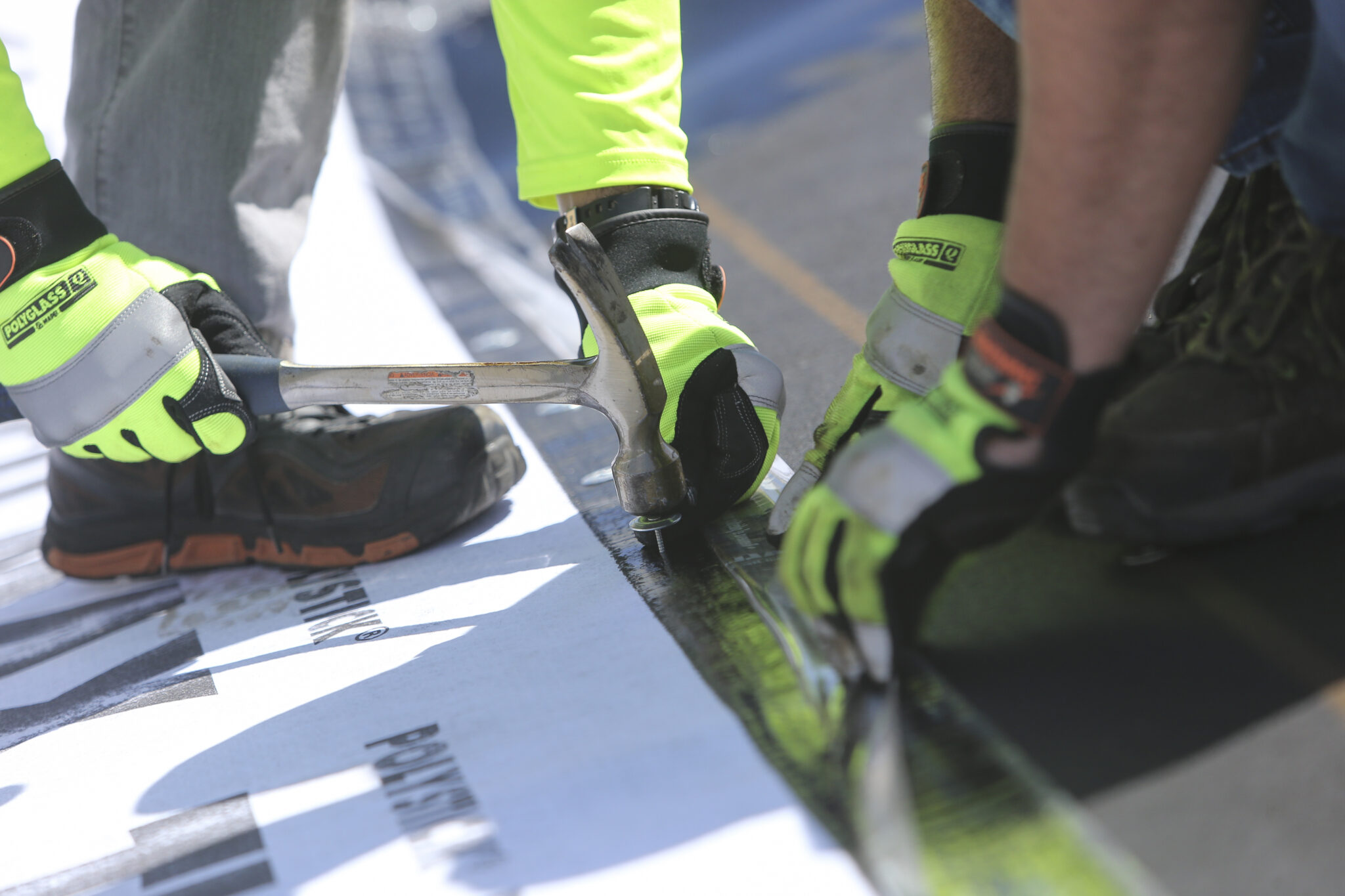
Polystick XFR’s self adhered technology increases labor efficiency and roof dry-in speed. Polystick XFR features a slip-resistant film that protects the self adhesive compound and allows for safe and easy application.

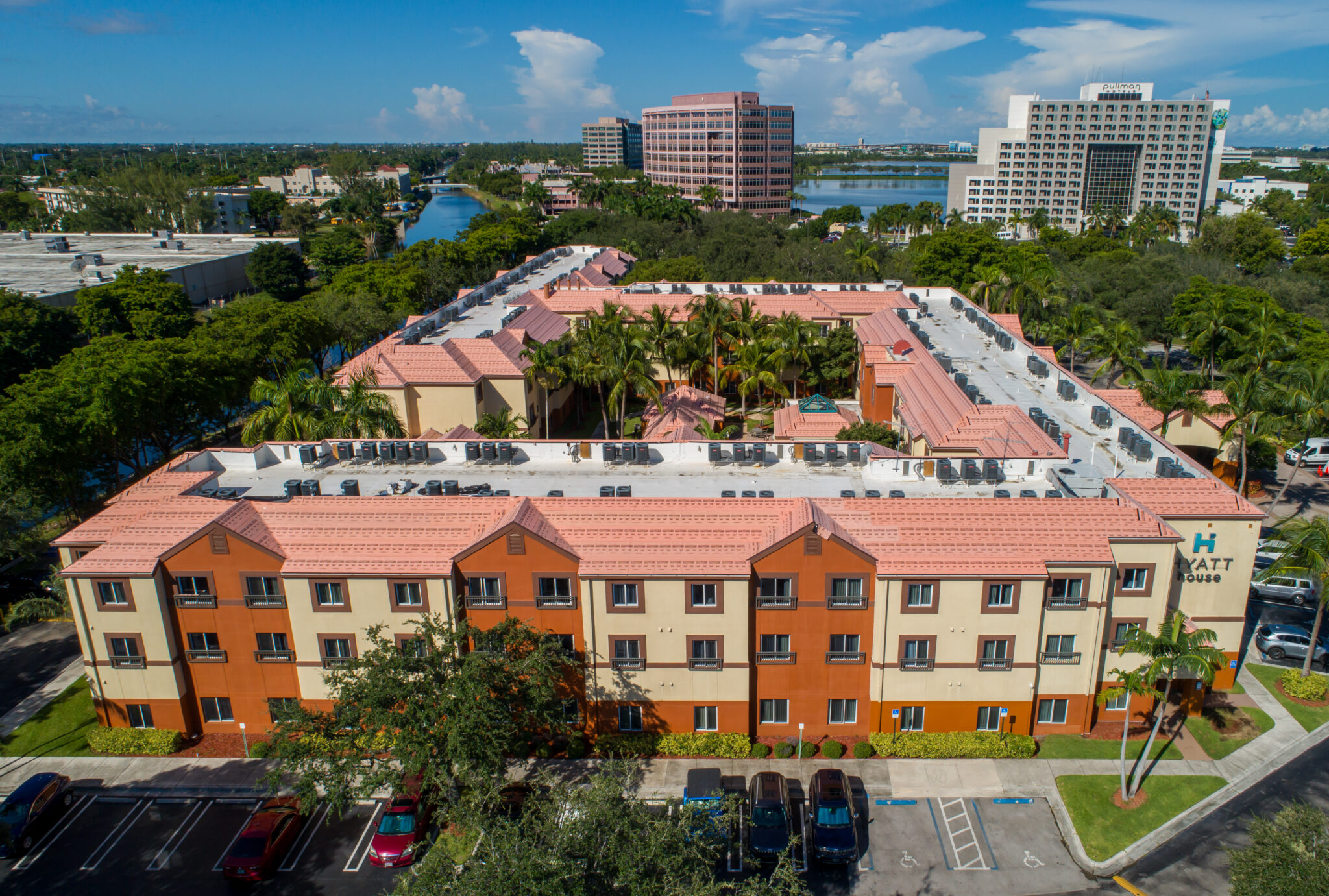
Polytick XFR was the underlayment of choice for the Hyatt House Miami Hotel project in South Miami, which required 30,000 square feet of fire-resistant underlayment. Read more about the project here.

roofing project by polyglass

With an impermeable compound design and glass-fiber reinforcement, Polystick XFR offers all the things a quality performance underlayment should provide: strength, worksite resistance to trades, and enhanced external fire performance, without the need for sacrificial slip-sheets.

For more information about Polyglass products and techniques for all your low-sloped or steep-slope roofing needs, contact a Polyglass Contractor today!

The Polyglass 101 Guide to Steep-Slope Roofing Systems

Steep-slope roofing systems have specific roofing requirements due to their structure. A steep-slope roof is any roof that has a slope steeper than 3:12. Steep-slope roof systems are generally water-shedding; they need gravity to shed water and prevent puddles and dampness from forming, which makes the slope gradient a vital consideration in steep-slope roofing installation. Common steep-slope roof styles include gambrel roofs, shed roofs, and gable roofs.

Steep-Slope Roofing Installation

Common Materials and Products for Steep-Slope Roofs

Steep-slope roofs are generally composed of a roof covering underlayment, insulation, and a roof deck. Common types of roof covering materials for steep-slope roofs include:

  • Clay and concrete tiles – Clay tiles are produced by baking clay while concrete tiles are made of cement, sand, and water. Clay tiles must always adhere to the recommended ASTM standards of ASTM C 1167 (the standard specification for clay roof tiles). 
  • Slate – Slate is a dense, durable, and non-absorbent naturally occurring material. The texture of slate is determined by the rock it’s quarried from. There are three classifications of slate depending on its texture and feel which are standard, standard smooth, and gradual/textural. 
  • Asphalt, wood, and synthetic shingles – Asphalt shingles consist of several layers including a base material that supports strength and resistance to weather, asphalt and assorted fillers, and a surface material that protects against UV degradation as well as impact and fire resistance.
  • Wood shakes – wood shakes are split from logs of pine, cypress, redwood, and western red cedar trees and reshaped by manufacturers. Wood shakes tend to be thicker at the butt end than wood shingles.
  • Metal panels and shingles – there are two types of metal for roof systems: structural for low-slope roofs and architectural for steep-slope roofs. Architectural metal has water-shedding qualities, making it ideal for steep-slope roofs, and comes in several different forms such as panels, shingles, and individual components. 

Underlayments for Steep-Slope Roof Assemblies

Roof underlayments are generally made from asphalt-saturated materials, rubberized asphalt, or synthetic materials. Underlayments are attached to the roof deck and their design allows for other roofing materials to be installed directly on top of them. 

Selecting the correct underlayment is vital for providing the foundation of a secure, well-designed steep-slope roof. Steep-slope roof systems require an underlayment which must be applied before the roofing installation. 

Button CTA
If installed correctly, underlayments provide more than secondary waterproofing, they also provide temporary protection against the elements for the roof deck until the installation is complete. Underlayments also act as a separator between the roof covering and substrate.

Certain underlayments may even include extra protection from extreme weather in the form of ice-dam protection membranes. This type of underlayment offers reinforced protection against moisture intrusion along roof eaves in valleys where ice dams may occur. 

Attaching Roof Underlayments

There are two ways to attach roof underlayments to a roof deck – mechanical fastening and self-adhering to the roof. Self-adhered underlayments are more commonly used for ice dam protection.

Historically, organic asphalt felts were popular products for the self-adhering application method, but self-adhered modified underlayments are now preferred.

Steep-Slope Roofing Installation

Polyglass Polystick® Underlayments for Steep-Slope Roofs

Self-adhering (SA) bituminous membranes have been used as underlayments in steep-slope roofing installations for years. Self-adhering bituminous membranes are used in sloped roofing installations as an underlayment to prevent water entry at the wave areas of shingled roofs in cold climates where ice dams occur. 

Traditionally, modified bitumen membranes were applied using torches or mop-applied with hot asphalt or solvent-based adhesives. More recent membranes combine the performance of modified bituminous compounds with a self-adhesive bituminous layer for easier application.

At Polyglass, we offer a comprehensive range of versatile, easy-to-install underlayment products that give your roof the protection it needs against a range of different weather conditions and challenges. 

Polyglass Polystick® is an elastomeric modified asphalt waterproofing underlayment that features patented ADESO® self-adhered technology.

Created by Polyglass, ADESO self-adhered technology is a dual-compound SA membrane that uses a true APP or SBS formulation on the top weathering side and an aggressive self-adhered formulation on the bottom side of the reinforcement.

Different Polystick Underlayments Cater to Different Roofing Applications

Polystick is designed using state-of-the-art technology capabilities to produce underlayments that offer unmatched waterproofing and protection across various roofing applications.

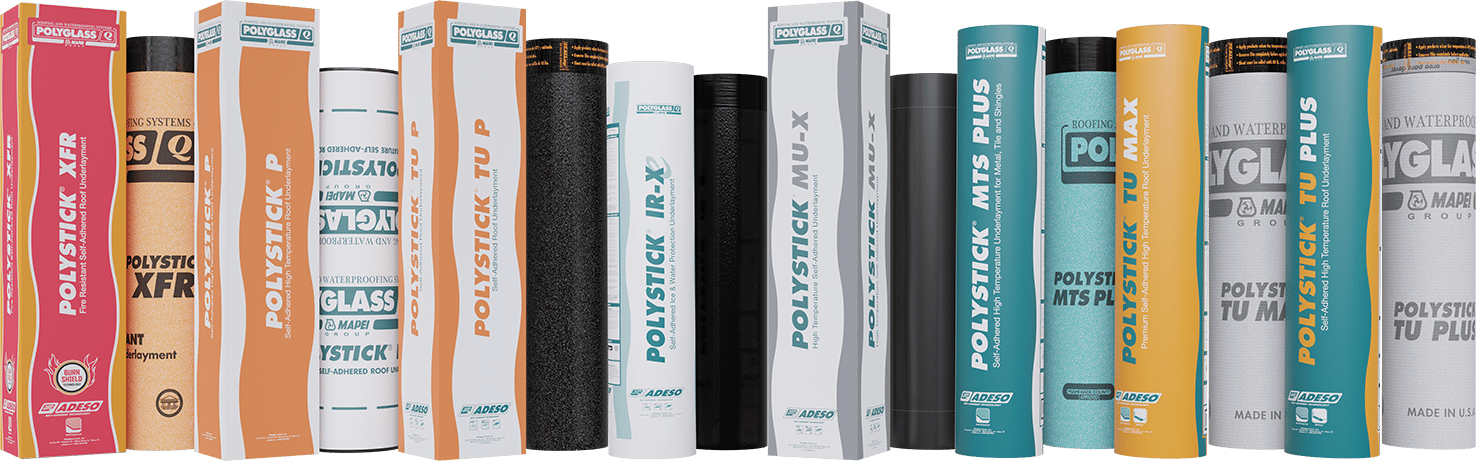
Polystick® TU MAX: a multi-purpose steep slope underlayment, specifically designed for high-temperature applications and tile applications, though suitable as a high-performance underlayment for most steep roof coverings.

Polystick® IR-XE: a homogeneous rubberized asphalt waterproofing compound, fiberglass reinforced, with an aggregate surface for skid resistance, formulated for use in ice and water protection applications. 


Polystick
® XFR: a dual purpose fire-resistant and self-adhered waterproofing underlayment featuring a slip-resistant film surface that can be exposed for up to 180 days. With a temperature resistance of up to 265°F, Polystick XFR is ideally suited for high-temperature roof covering systems and buildings requiring additional fire resistance, such as steel and copper roofing.


Polystick
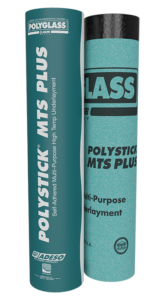
® MTS: a self-adhered waterproofing underlayment ideal for use under metal, tile, and shingle roofs, featuring a slip-resistant film surface that has been tested to allow for up to a 180-day UV exposure rating. Ideally suited for high-temperature roof covering systems such as metal roofing. Also suitable for most mechanically attached roof coverings such as concrete and clay roof tile.

The best, modified underlayments carry a “High-Temperature” designation and can handle exposure to various weather conditions for up to 60 days before the new roof system is installed on top of it.

Polyglass offers an expansive underlayment product line designed to provide excellent coverage for virtually any challenge you may have with your steep-slope roofing application. 

For technical questions regarding which steep-slope systems are best for your project, reach out to our team of experts.

What is a Low-Slope Roofing System?

A low-slope roof is a roof that has little to no steepness. Generally, a roof with a pitch of less than 3:12 is considered a low slope. Low-slope roofs require the correct systems and waterproofing materials to ensure they are sturdy enough and can protect a building from potential water damage. 

Low Slope roofing cluster

Products and Technologies for Low-Slope Roofs

The roof types commonly used to design low-slope roofs are single-ply or multi-ply roof systems. Standard multi-ply roofing systems are built-up roof membranes (BUR) and modified bitumen roofing systems.

Single-ply Roofing Systems for Low-Slope Roofs

A single-ply roofing system consists of a principal roof covering, comprised of a single-layer flexible thermostat or a thermoplastic membrane rolled over the roof’s surface and then welded together. The three main types of membranes that single-ply roofing systems use are:

  • Thermoplastic Polyolefin (TPO) – This membrane is a lightweight membrane that’s the most economical option; however, its stiffness is lower than standard PP grades, and its performance decreases at elevated temperatures. 
  • Ethylene Propylene Diene Monomer (EPDM) –  EPDM consists of a black surface that fares well in cold climates, melting snow and gaining heat when necessary. It’s not compatible, though, with mineral and synthetic di-ester lubricants, and hydrocarbon fuels and solvents. It also has poor flame resistance.
  • Polyvinyl Chloride (PVC) –  PVC is highly reflective and can lower energy costs in warmer climates. It does come with maximum temperature scores for the material, the greatest being 140°F. 

What Challenges Come with Single-Ply Roofing Systems?

While single-ply roofing systems are an excellent option for low-slope roofs, they can cause complications due to their materials. Improper installation and poor maintenance can also affect the material’s build and durability. If left untreated, this can lead to blistering and ridges of lap areas, ponding and water collection, shrinkage, leakage, punctures, wind damage, and blow-offs.

Low slope roofing system

Multi-Ply Roofing Systems for Low-Slope Roofs

Multi-ply roofing systems are another common type of low-slope roof. They offer several layers of defense, unlike single-ply membranes. For example, modified bitumen membranes have a stable thickness throughout their life, provided they’re installed correctly, while single-ply membranes lose thickness due to weathering. 

Built-up roof membranes and modified bitumen membranes are common roofing materials used on low-sloped roofs.

Built-Up Roof (BUR) Membranes

A BUR roof system is also known as a “tar and gravel” roof. It’s created using alternating layers of bitumen and reinforcing fabrics, then covered with a gravel top to create the finished membrane. The multiple layers provide robust protection and insulation. 

BUR membranes are particularly advantageous for flat or low-slope roofing systems. Some of its benefits include:

  • Multi-layer protection and water resistance.
  • Exceptional thermal performance.
  • Resistance to heat conduction between the exterior and interior of a building.
  • Fire and uplift resistance. 

Despite their design and benefits, BUR systems do come with their challenges. Installing BUR systems can be expensive, and they may develop roof splits if they’re not well anchored. BUR membranes also don’t fare well in extremely hot or cold weather conditions. The hot asphalt used in their application can pose a potential health risk to contractors and installation teams. 

Modified Bitumen Roofing Membranes

Modified bitumen is made up of asphalt roofing sheets that have been altered with rubber or plastic. Modified bitumen roofs are similar to their structural predecessor, the BUR system, as both are installed in multiple plies. However, where modified bitumen roofs and BUR roofing systems differ is in modified bitumen’s additions to the asphalt. 

Modified bitumen is created by adding polymers to the asphalt in combination with either fiberglass or polyester reinforcement to form an impenetrable roof membrane. 

Compared to traditional asphalt BUR systems, modified bitumen provides stronger protection against weatherproofing and better durability. The membrane is extremely flexible, resistant to tearing, easy to repair, and can withstand a wide range of temperatures without being affected. 


Low Slope Roofing

Modified Bitumen Roof Assemblies and Products at Polyglass

No matter your roofing requirements, you can find the materials you need at Polyglass. Polyglass USA, Inc specializes in modified bitumen roof assemblies. We offer a variety of products that use multiple application methods. 


Modified Bitumen APP Roofing Membranes

Polyglass’ Atactic Polypropylene (APP) modified asphalt roofing membranes are created with durable construction and produced with high-quality plastomeric compounds, allowing for long-term weathering performance. 


Our APP membranes can be heat-welded or self-adhered and are offered as cap sheets and base/interply sheets to serve as part of a warranted multI-ply system. We offer APP products like APP Heat-Welded membranes, Self-Adhered APP membranes, and other materials like base, felt, and synthetic membranes.

Modified Bitumen SBS Membranes

Our Styrene-Butadiene-Styrene (SBS) modified asphalt roofing membranes are reinforced with polyester and/or fiberglass mat, offering superior flexibility, superb tensile strength, and dimensional stability. Polyglass’ SBS modified bitumen membranes are meant to be part of a multi-ply roof system.

SBS Membranes

SBS products we offer at Polyglass include Self-Adhering Elastomeric SBS roofing membranes and SBS Heat-Welded membranes

What Are Self-Adhered Modified Bitumen Membranes?

Self-adhered (SA) modified bitumen roofing systems offer a safe and speedy alternative to traditional installation methods. When installed correctly, self-adhered modified bitumen roofing systems can provide the protection of systems applied with hot asphalt or cold adhesive at a fraction of the time and labor, without the potential safety hazards.

The Prestige Mountain Resort in Golden, BC Canada.

The SA membranes we offer at Polyglass are designed to provide a cleaner application, improve application speed and remove the need for torches, hot asphalt, or bonding adhesives on site. This is especially useful for sites with limited access provided for special installation equipment or in cases where using a torch, or hot asphalt is not ideal or prohibited. 

Polyglass is the leading manufacturer of self-adhered mod bit roofing membranes with patented ADESO® Technology. 

ADESO technology transformed the modified bitumen industry by producing dual-compound self-adhered (SA) membranes using a true APP or SBS formulation on the top weathering side and an aggressive self-adhered formulation on the bottom side of the reinforcement.

ADESO Technology integrates patented features that strengthen lap sealing and enable product design with an array of customized surfaces.

Polyglass self-adhered products for low-sloped roofs include self-adhered APP and SBS membranes and base sheets, cap sheets, flashing strips, and end laps for various applications and purposes. 

ADESO Roofing technology

Polyglass offers an expansive product line designed to provide excellent coverage for virtually any challenge you may have with your roofing application. 

For technical questions regarding which low-slope systems are best for your project, reach out to our extensive team of experts.

Extend the Design Life of Your Roofing System With Preventative Maintenance & Repairs

While winter brings its cold-weather challenges for the roofing and building envelope industry, Fall is the season when airborne debris, like leaves, pine needles, tree nuts, and those darn hickory nuts, start to build up on roofs and in drain bowls, downspouts, and gutters. Airborne trash and even dead animals can find their way onto our roofs all year round to increase the risk for ponding and leaks when the wetter months arrive. It’s no wonder that annual roof inspections and preventative maintenance programs are considered essential for extending the design life of any commercial building envelope or roof system.


An image of a gutter guard filled with dead leaves

Preventative Maintenance Is Better Than Cure

Semi-annual site visits and preventative maintenance are not only recommended but required for all warranted roofs whether they are low-slope assemblies (BUR, EPDM, Modified Bitumen, PVC, and TPO) or steep-slope roofs (Metal, Tile, Slate, and Shingle). Most importantly, a proper site visit allows a contractor the opportunity to view your roof (e.g., edge metals and rooftop penetrations) with the experienced eyes necessary to implement a comprehensive maintenance program.

Most contractors offer fall or spring (semi-annual) programs, including roof clean-up and removal of airborne debris, small general preventative maintenance repairs, and upgraded repairs to extend the design life of your roof. These services may include removing and replacing worn existing flashings or the recommendation of a liquid applied roof system. Upgraded repairs usually come with warranties from the product manufacturer and, in most cases, the contractor.

After a contractor performs repairs, they generally like to do a visual inspection within six months of completion.

Roof Inspection Checklist

Checklist items in an annual or semi-annual site visit by your contractor may include:

  • An on-site visual inspection
  • Photo reports
  • A customized maintenance program
  • A roof evaluation program and report
  • A roof condition assessment
  • Preventative maintenance and repair recommendations
  • A list of necessary upgrades
  • Suggested upgrades to extend the historical design life of the existing membrane/flashings
  • A record of new installations performed by others and not authorized by the property management company

Roof Systems Do Not Fail Overnight

Neglected repairs can be costly and possibly not included in the budget. A proper annual roof visit can result in thousands of dollars of savings by preventing emergency site visits or capital expenditures for an unexpected roof replacement.  Routine inspections and annual maintenance are recommended for all roofs and should always be discussed with your roofing contractor during their on-site roof visits.

Find a reputable roofing contractor with our online Contractor Search or contact a Polyglass Sales representative to find out how you can protect and extend the life of your commercial roof and building envelope system. 


Maintenance Repairs on Silicone Coated Roofs

March and Spring are here in the great Pacific Northwest, which means potholes are appearing on most roads, and sunset is close to 6 pm. March marks the end of the annual “Coating Nerd’s” hibernation, while springtime brings the widest temperature swings we will experience in most of North America. The same thermal shock causing all the potholes in our roads also stresses most roofing systems to their thermal limits. We know that many of you will be out doing maintenance and clean-up on existing roofs in the next few weeks. This blog looks at the PolyGlass products used and the steps to follow for repairing a silicone-coated roof.

One of the first questions we get every Spring is, “How do I repair silicone coating?” 

It’s not unusual to find a seam or detail in the original membrane that has cracked or split over the winter, especially if it’s an older construction with cast iron waste stacks. Remember that the waste stack is cemented into the floor, and it’s not moving! A 30-degree temperature swing will cause a lot of movement where the stack penetrates the roof deck.

The first rule of repairing or recoating any silicone coating: “The only thing that sticks to silicone is silicone, and sometimes that doesn’t work!”

Whenever possible, use the same material for repairs so you can limit any unwanted product reactions. If you’re unsure, apply a small test sample to confirm adhesion.

Materials needed for a Silicone Roof coating repair

You’ll need the following materials and tools for your repair:

  • PolyBrite® 90  or PolyBrite® 95
  • Reinforcing fabric
  • Commercial cleaner
  • Wiping cloth
  • Clean plastic container
  • Acetone Solvent
  • Scotch-Brite or another brand abrasive scrubber
  • High-quality brushes and rollers

When local regulations allow, use PolyBrite 95 (solvent-based) to perform repairs. When using PolyBrite 90, use thin material with 10% acetone solvent to aid in chemical bonding.

Step 1. Clean, Clean, Clean!

Always clean the area before applying solvent for preparation. Silicone is an excellent material. It is flexible, chemical, and water-resistant. It’s also soft, a little tacky to the touch, and tends to pick up dirt easily. Anyone that has been on a silicone roof after a year of service will know what we are talking about.

Clean with commercially available cleaner and water first. Rinse and allow the area to dry. Be sure to also remove any loose coating by cutting back to the well-adhered coating.

Next, clean the repair area with solvent and a clean cloth. Let the solvent flash off. Only use first-grade Acetone or Virgin Paint Thinner (VMP) solvent. Avoid recycled thinner, which has more water and impurities. 

Step 2. Rough up the surrounding silicone coating

Mechanically or physically scrub the area to be repaired until it is rough to the touch. Use a Scotch-Brite abrasive pad to scuff the coating directly around the repair. 

You should be able to feel the texture in the coating; this is especially important when using the high-solids formulation of silicone, as there is minimal solvent to aid in the chemical bonding of repair materials.

Clean the area again with solvent and wait for it to flash off or dry.

Step 3. Use enough silicone coating

One of the most common mistakes we see is not enough coating used to cover the repair area and thoroughly saturate the reinforcing fabric. Apply a 24 wet mil basecoat of silicone to the repair area; use a wet mil gauge to confirm. 

It will look like a lot of coating, but that’s what’s needed to make the repair successful!

Step 4. Reinforce

Always use reinforcing fabric in repair areas and apply it while the coating is still wet. Extend the fabric 2-4″ beyond the repair area. Install the fabric over the wet base coat similarly to paper mache. Speed tips include pre-cutting reinforcing fabric pieces to size, then dipping them into a separate container of silicone coating before application. 

Step 5. Topcoat the repair

As soon as the fabric reinforcing is in place, apply a final coat of silicone coating at 10-16 wet mils over the reinforcing fabric, which will completely encapsulate the reinforcing fabric. It should be difficult to see the fabric’s pattern under the coating. If you can see the pattern, add a little more coating in that area.

Accessories to Use With PolyBrite 90 or PolyBrite 95

PolyBrite® 98

PolyBrite 98 is a water-based, one-part primer/bleed blocker that enhances the adhesion of Polyglass silicone roof coatings to a variety of porous and non-porous substrates.

  • Versatile for a variety of substrates
  • Cures to form a tack-free coating
  • Low VOC
  • Non-flammable
  • Rain resistant after 3 hours

PolyBrite® 97X 

PolyBrite 97X is a two-component, 1 to 1 ratio, water-based epoxy primer which enhances adhesion to a variety of porous and non-porous substrates

  • Adheres well to most surfaces
  • Excellent alkali resistance

With a bit of planning and practice, silicone roof coating repairs can be made quickly and easily. Click here for our full range of silicone roofing products or here to find a Polyglass sales representative in your state.


Cold Weather Challenges & Solutions for the Roofing and Waterproofing Industries

Those within the roofing and waterproofing industries are no strangers to the challenges associated with cold-weather installations and applications. Even projects in warmer climate zones can be adversely affected as temperatures begin to drop. 

This blog looks at some of these top concerns facing installers in cold-weather environments and the Polyglass products and solutions that can help them extend their roofing season to carry on, ‘business as usual,’ regardless of outdoor temperatures.

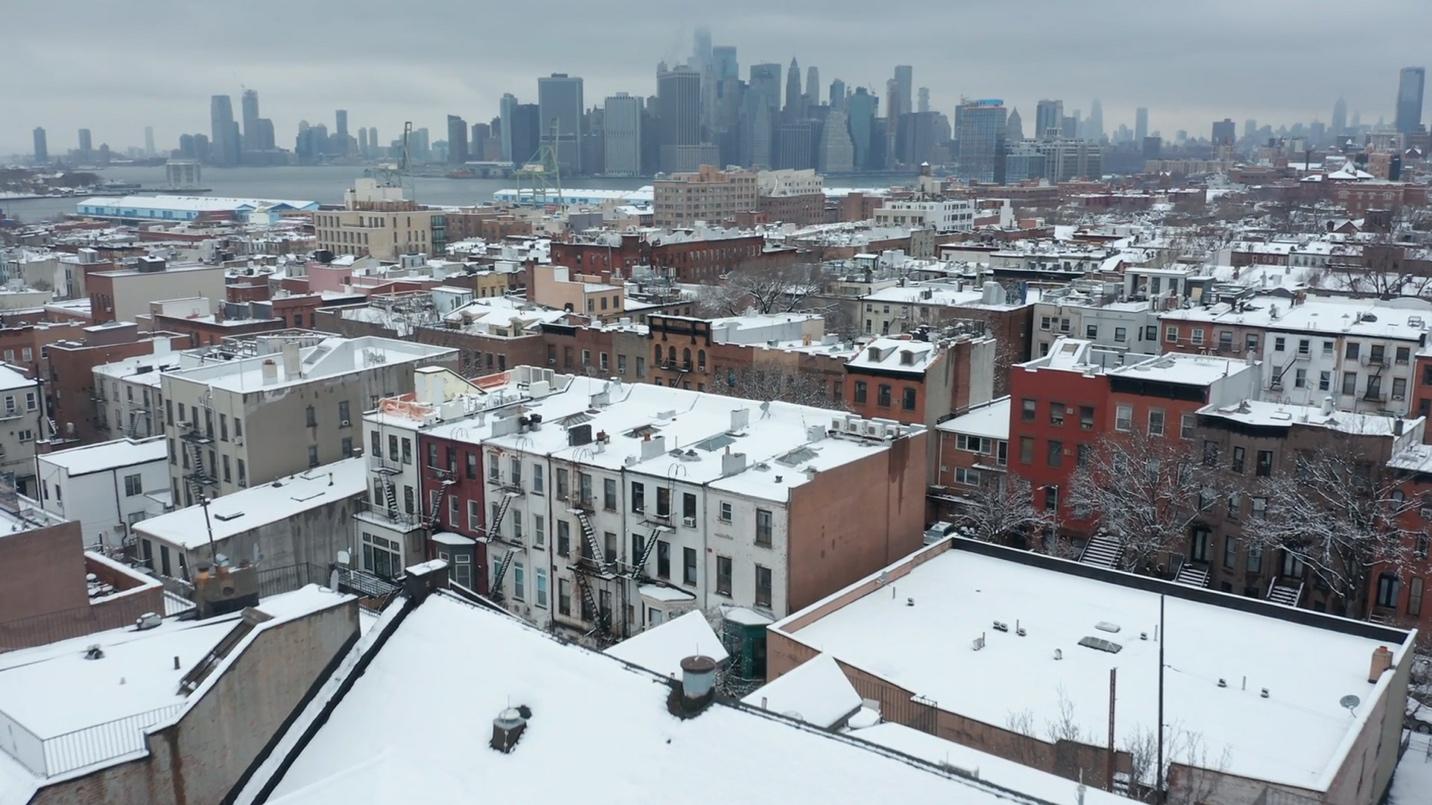
Snow on Rooftops

What is “Cold Weather” Anyway?

If we posed this question to 100 random people across the country, we would likely get dozens of differing and subjective responses. However, from an industry perspective, cold weather challenges begin when ambient temperatures fall below 50°F. 

While frigid temperatures are more common in the Northern states than in the South, installers working in the Southern states are not immune to colder-weather struggles, especially when using products and materials that aren’t necessarily well suited for nippier weather conditions.

Common Colder Weather Challenges

Typical considerations for cold-weather roofing applications include choosing a permanent or temporary solution, best practice for handling and storing material,  adequately preparing the substrate for product application, and the type of products to use that will hold up during and after installation.

  1. Temporary or permanent fixes – Often, the first decision on any roofing project is whether the work planned is a permanent or temporary solution; this is especially relevant when working under less favorable conditions. Here, installers need to decide if it is worth waiting for warmer weather before executing a more permanent repair.
  2. Substrate conditions and preparation – As air temperatures drop, so do surface temperatures. Under certain conditions, the surface temperatures of the substrate can be colder than the ambient air. Not handled carefully, primers and adhesives may not dry or cure correctly before product application, resulting in poor adhesion and potential failure.
  3. Material handling and storage – Cold weather does not only affect the substrate and environment in which installers have to work; improperly storing and handling roofing and waterproofing products can significantly impact their ease of installation.  Products stored in a climate-controlled environment fare better than those exposed to freezing temperatures. Improper storage – leaving products out in the cold overnight or storing them on-site – can make some products stiff and board-like; liquid goods left to freeze easily separate and ruin. Other products develop viscosity issues or even crack when unrolled for application.
  4. Product choice – Installers often use regular roofing and waterproofing products – regardless of dropping temperatures. Unfortunately, installers can face unavoidable difficulties when not factoring weather conditions into a project’s scope. Roofing and waterproofing products should be chosen wisely – for the project design and the climate challenges the installers could face during the project.

Industry Recommendations for Cold Climate Product Applications

When considering best practices for using most product types from different manufacturing sources in temperatures below 50°F, industry recommendations are generally universal.

Summarized, they follow two main principles:

  1. Follow the manufacturer’s published guidelines.
  2. Store and handle materials in a controlled environment.


Polyglass Solutions for Cold Weather Installations

Polyglass offers products and techniques that aid and assist in working in colder weather.  

1. Website and Technical Guide Tools

Our website offers various resources to help users navigate cold weather use and application. The Technical Guides, Bulletins, Product Data Sheets, and Video Library can offer insights on making your project successful when using our various product offerings, even in colder weather.


2. Steep-Slope Roof Application Solutions

Polyglass’s present product offerings include seven self-adhesive underlayments, all industry, and code-compliant for use under a wide variety of roof coverings. These underlayments have general application temperatures down to 40°F. However, with proper surface preparation, material storage, and handling, successful installations are possible below this 40°F window, which often will require radiant sun and the use of a surface primer.

Roof Applications in Cold Weather


3. Low-Slope Roof Application Solutions

Like the various steep-roof product offerings, many of Polyglass’ self-adhesive membranes can be successfully installed down to 40°F and potentially below. 
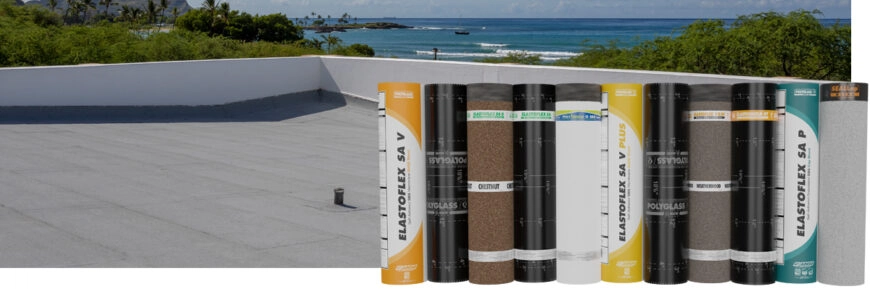
Polyglass also offers specifically designed and engineered self-adhesive base sheet and cap sheet membranes, such as Elastoflex SA V Polar Base and Elastoflex SA P Polar Cap, for low-sloped roofing applications, with an application window to 25°F.

Cold Weather Challenges Blog - 3

4. Waterproofing and Dampproofing Solutions for Vertical and Horizontal Applications 

For applications that are above or below grade and not subject to hydrostatic water but still need moisture protection, PG 200 offers installers cold weather options for when water-based products, such as PG 800, are not a viable option.

Polyglass’ various Polyglass APP and SBS membranes offer cold-weather options when using traditional torching techniques. Depending on project conditions, Polyglass also offers a fluid-applied line of urethane products with a wide temperature application range.

View our Product Selection Guide for more information or reach out to your nearest Polyglass Sales Representative to learn more about our range of cold-weather-wise products.


What to know about roofing during the Cold Weather Season

When we think about colder weather, oftentimes our thoughts of installing roofing, waterproofing and other exterior building products dwindle away, as cold temperatures make installation of these much more complicated and many materials are not well suited for cold weather environments.

Though this is still true to a degree, many materials related to the building envelope, especially roofing have adapted over the years and many are more suitable and functional in colder weather conditions.

Consideration 1: What is the roofing goal?

When first thinking about designing and installing roofing, be it in warm or cold weather, it is imperative to consider the main goal. Is the goal to be proactive or reactive? Depending on the ultimate goal, this can have a significant impact on the overall approach. Are we performing critically needed repairs to stop leaks (reactive), or are we trying to prevent leaks (proactive)? Next to think, is the work going to be permanent or is it a stop-gap during bad weather only to have more permanent work performed later in more favorable weather.


Martha's Vineyard roofing project - photo 1

Martha’s Vineyard Storage Facility

Consideration 2: How does weather impact the workweek?

The next important item to consider, do we have to work around adverse weather during the work period. How well will the work hold up to changing weather or even adverse weather during the process? Executing work is of no value if a surprise rain comes and damages or causes the work to be ineffective. Then to consider what are cold-weather options for materials choices for working around weather, are they easy enough to work in such conditions.

Complete a thorough site review

A good plan will start with knowing what the challenges are, which warrants a good and thorough site review. Are there leaks in the building and if so where and under what conditions? This makes it important to tour the inside and discuss with those in the know as to what problems have been witnessed inside. Then we must transfer those thoughts and location to the roof-top to ensure we corollate the interior issues with the potential roof issues.

Without taking steps to align the two, one can often find themselves “leak guessing” and that is almost always ineffective. Once a visual review of the roof-top is completed, in detail, a decision needs to be made, is testing in order or required. If so, it is always best to start with non-destructive testing such as a moisture scan before elevating to destructive testing methods such as the taking of roof cores.

Triton's Trumpet roof

Triton’s Trumpet Condominiums

Once there is a good and thorough understanding of the circumstances, then often the next logical step is to develop a course of action. It is important to consider what type of roof is there, its age, and general conditions. Too aggressive of an approach to an old and brittle roof can easily create more damage than what is solved in a short time thereafter. The compatibility of materials is often another consideration to be made. In the end, all materials and processes must work together to solve issues and accomplish the ultimate goal and not create more issues.

As you plan the goal, another important issue is how friendly is storage and handling of materials going to be for each circumstance. Can materials and applications, be staged or deployed and likewise removed from the roof and site without delays. Often the consideration must be given to how feasible is the work to be performed in adverse weather or colder than expected temperatures. Can you walk away from the work for a limited time due to weather and come back quickly as things are more favorable.

Lereta Headquarters project

Lereta Headquarters

What are the best roofing materials and installation options for cold weather work?

Considering all the above, what are the material and installation options for cold weather work. Conventional asphaltic materials become rigid and inflexible in colder weather and rarely are an option in the cold. Many thermoplastics become rigid and handling becomes very challenging in the cold, resulting in poor welds and weak seaming. Thermosets can be an option, but adhesives and tapes are more difficult in cold weather.

Polymer-modified asphaltic membranes are viable candidates in cold weather but not all are equally suited. Atactic-Polypropylene (APP) being more suitable for moderate to mildly colder climates can work provided the temperatures are not too cold.

These membranes torch well and can be effective in temperatures below freezing. Stryene-Butadiene-Styrene (SBS) being a rubberized polymer is even better suited for colder temperatures, and with proper storage and handling, offers increased flexibility and handling, well below freezing.

Stonegate Dental Modified bitmuen

Stonegate Dental

Application processes typically associated with polymer-modified membrane are traditionally, fully bonded or mopped in hot asphalt, fully bonded in cold adhesives, or heat-fused using traditional torching techniques. Of these, heat-fusing can be the most viable as it provides a means to bond materials together but the residual heat to the existing surface is very advantageous in a long-term repair.

In addition to standard membrane offerings, there are also, specific cold weather formulations, even when considering self-adhesive membranes. Though not normally a consideration, even self-adhesive membranes have come to the forefront in colder weather. Polyglass’ Polar product line is specifically designed and formulated for use in colder than the usual 40F and rising weather associated with self-adhesive membranes.

For those circumstances when more temporary work is planned, the market offers a wide variety of asphalt-based mastics and cement, as well as sealants based on urethane or silicone technologies. Depending on conditions, most often these require the use of reinforcing fabric to limit shrinkage and add strength.

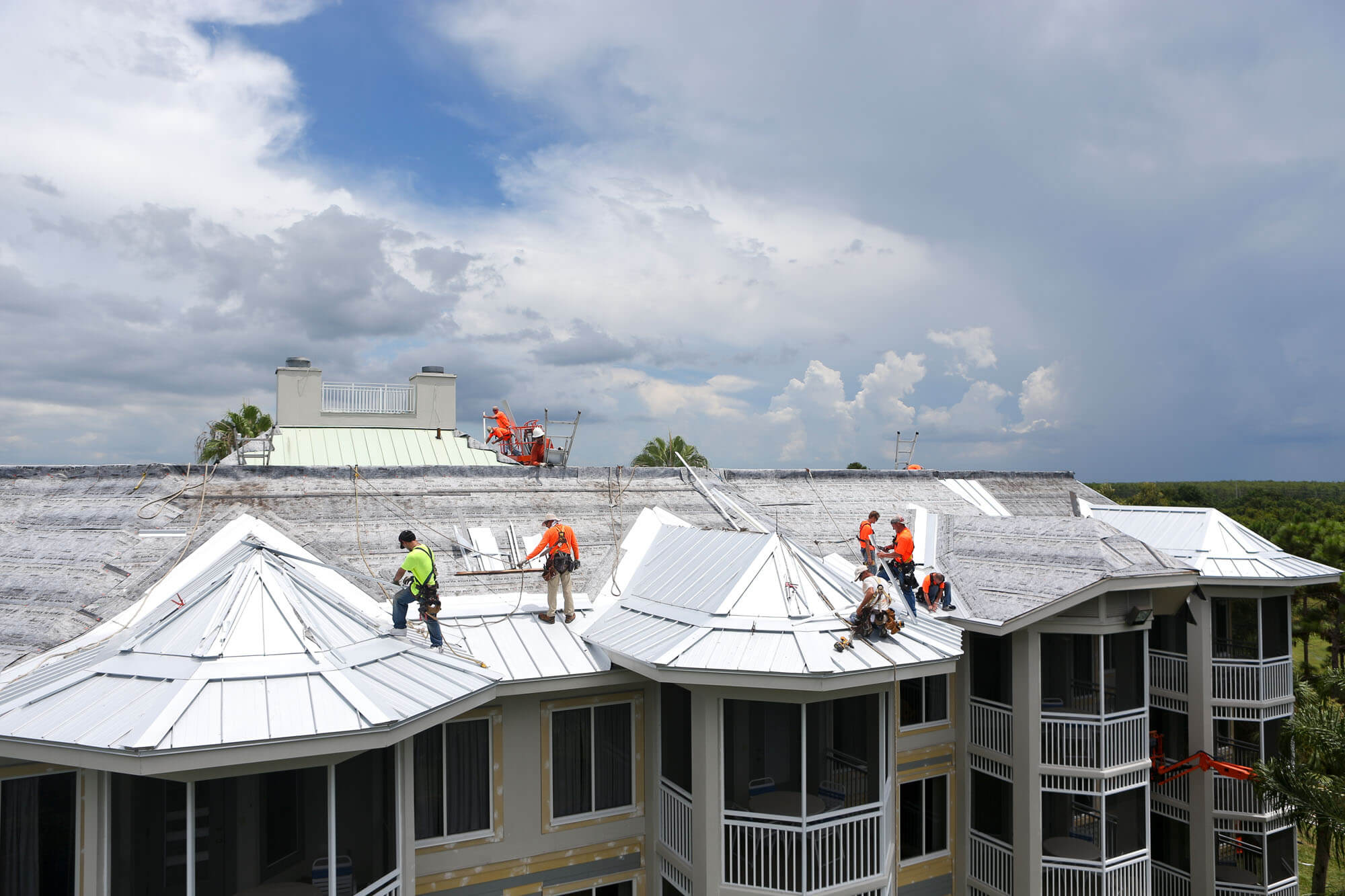
Roofing Projects done with Polyglass roofing products

2020 Street of Dreams

In summary, the industry offers many viable options for most weather conditions, cold or hot. It is important to have clear goals, as well as a clear understanding of each project’s challenges, without this, often times the results are not as expected. Clearly know and understand project conditions, and choose the optimum materials and installation techniques best suited for the project and goal. In doing so, favorable results are with any budget, project condition, and level of expertise.

To learn more about product offerings from Polyglass U.S.A. Inc. go to www.polyglass.us or contact our Technical Services Staff at USPolyglassTechnical@polyglass.com .

Polyglass’ Guide to Commercial Roof Installation

With so many different roofing products and materials on the market, tackling a new commercial roof installation as either a contractor or a client can seem daunting. You’ll need to figure out which type of roofing products suit the particular needs of the building, how long it’s likely to last, and how much the project will cost.

That’s where this guide comes in. We’ll delve into the range of options that Polyglass offers when it comes to roofing systems. This guide will mostly be useful for contractors who are looking to plan their next client project. However, if you’re looking to hire a contractor to replace or repair the roof of your business premises, this handy guide can help you determine what you need.

Table of contents

Installation Prep

As a contractor, you should start by working with the client to choose the right roofing system for their particular needs. Advise them on what will work best for their building and create an in-depth plan for each project stage. This will help you quote an accurate time frame and provide a detailed estimate of the cost involved.

If you’re a client, take heed of the contractor’s advice regarding your particular roof needs. A good contractor will offer insights regarding the materials that will work best for your requirements.

To help you decide on the materials to choose for a commercial roofing project, the next few sections will explore Polyglass’ range of roofing products. We’ll cover what each product is, how it is installed, and what kind of roofing needs it suits.

Modified Bitumen Membranes

Modified bitumen membranes are a type of roof system that combines asphalt-based bitumen with additional materials such as polymers or rubber. This creates a versatile roofing system that can meet a wide range of roofing needs.

There are two main types of modified bitumen membranes; APP (atactic polypropylene) and SBS (styrene-butadiene-styrene). APP membranes are reinforced with plastic to make them more rigid. These membranes are easy to install and particularly suit smaller commercial roofs.

SBS membranes incorporate rubber to create a flexible elastomeric roofing layer. These membranes can react to changing temperatures, creating a roofing system that can stand up to more extreme weather conditions that some parts of the country face.

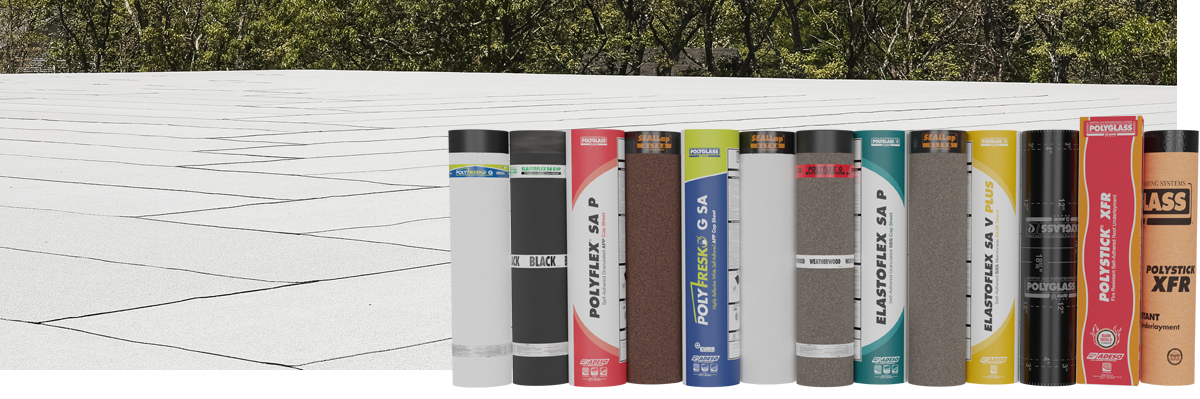
Polyglass offers a wide range of innovative APP and SBS modified bitumen membranes to suit different roofing needs. For commercial buildings situated in colder areas, the Elastoflex SA P Polar Cap membrane provides great insulation. For those looking for a more energy-efficient roof in sunnier climates, the highly reflective Polyfresko G SA membrane is a great choice.

Button CTA

Installation

Modified bitumen membranes can be installed in two ways; torch-down application and self-adhering membranes. Each method has its strengths and weaknesses.

Torch-Down Membranes

Torch-down roofing membranes are installed using a gas or propane torch. The membrane rolls are gradually unfurled across the roof, with the bottom layers being heated by the torch. This welds the membrane into place, adhering it to the roof.

Torch-down membranes offer fantastic waterproofing because the seals are essentially fused together, creating strong watertight seams. However, the torch-down method does come with safety concerns as it poses a significant fire risk and can also release potentially harmful toxic fumes. They also take longer to install than self-adhering membranes.

Polyglass offers a range of torch-down modified bitumen membranes, including the Polyflex G APP cap sheet. This durable membrane can stand up to debris that can puncture or tear a roof and features FASTLap technology for easy application.

Self-Adhered Membranes

A self-adhered modified bitumen membrane features a durable dual-compound APP or SBS top layer to deal with weathering and a powerful adhesive bottom layer for quick and easy application. Self-adhered membranes were pioneered by Polyglass in the 1990s thanks to the development of innovative ADESO® technology. Polyglass has continued innovating and evolving its product range to include patented technologies likeSEALLap ULTRA and FASTLap end laps.
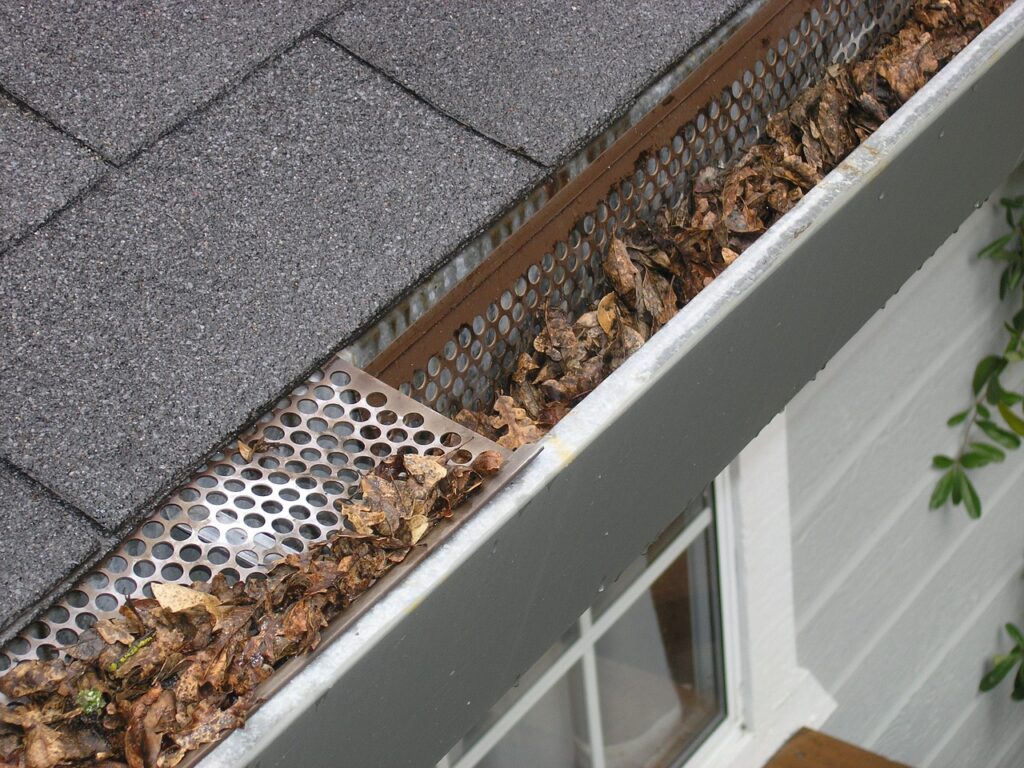
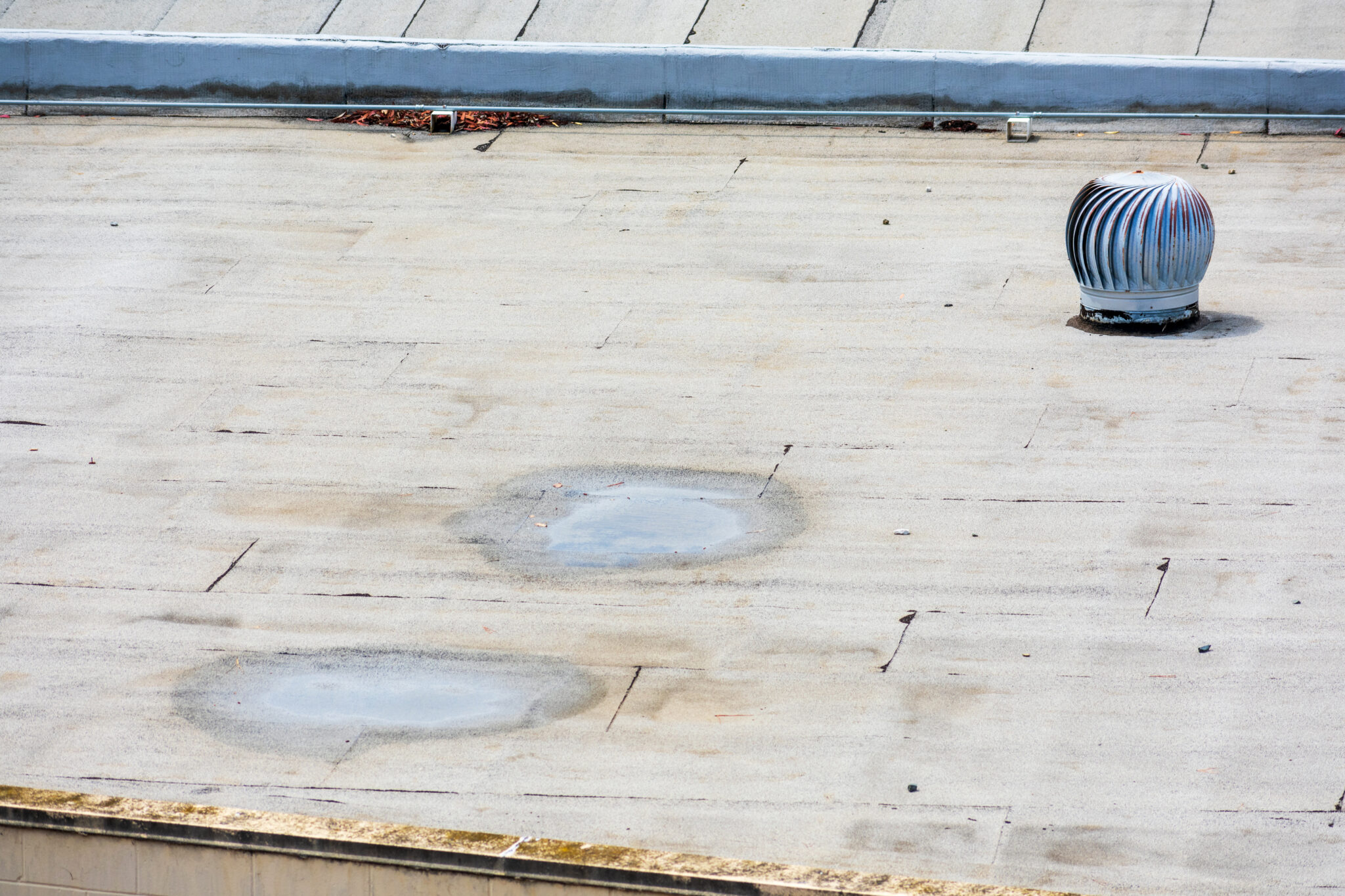
During installation, the self-adhered membranes are usually installed in at least two layers; a base sheet and a cap sheet. After allowing them to relax, the membrane sheets are cut into manageable lengths and placed on the roof. The protective film on the end laps is then removed, and the sheets are pressed into place.

Once a section is complete, pressure is applied in the form of a roller to make sure that the membrane fully adheres to the roof. This process is repeated for both the base sheet and cap sheet layers to create a dependable and durable roofing system.

Self-adhered membranes do not pose the safety risks that torch-down membranes do. No naked flames are required and no toxic fumes are released. This allows for much safer and easier applications.

What is ADESO Technology?

Polyglass’ industry-leading ADESO Self-Adhered modified bitumen membranes feature innovative technologies such as granule-free FASTLap end laps which allow for quick and easy installation. SEALLap Ultra technology creates unrivaled watertight monolithic seals along each seam, eliminating the risk of water leaks.

ADESO technology is available across most of Polyglass’ range of APP and SBS modified bitumen membranes, with a wide variety of surface colors and types to suit any roofing application.

Lifespan

Modified bitumen membranes will usually last for around 10 to 30 years. With some basic maintenance, the lifespan of a modified bitumen roof can be extended even further. Thankfully, these types of roofs are some of the easiest to maintain.

This makes modified bitumen membranes more cost-effective, durable, and versatile than other commercial roof installation methods such as EPDM cold-applied roofs, TPO single-ply roofing, and metal roofing systems.

Underlayments

In some commercial roofing installations, an extra layer will be needed underneath the roofing membrane. This is usually needed for extra water protection and is achieved by installing an underlayment layer before applying the membrane.

Underlayment sheets are fixed directly onto the roofing deck, which is usually a plywood frame that forms the first layer of a roof and covers the insulation. This is especially necessary for steep-sloped roofs. Underlayment sheets are typically made from asphalt-saturated felt, rubberized asphalt, or synthetic materials.

Polyglass offers a versatile range of self-adhered underlayments for steep-sloped roofs. Specialized underlayments can offer specific protection to meet a wide variety of building needs. Polystick TU PLUS is designed as a tile roof underlayment, for example. Polystick XFR underlayment is a dual-compound layer that provides unrivaled fire protection and waterproofing.

Installation

All Polyglass underlayments feature industry-leading ADESO Self-Adhered Technology for quick and easy installation. These are installed in a similar way to the self-adhered modified bitumen membranes above.

After acclimatizing, the underlayment rolls are cut into manageable lengths and laid out onto the roofing deck. The protective film covering the adhesive layer is removed and the underlayment is pressed into place. Once a section has been completed, a pressure roller is used to ensure full adhesion.

Lifespan

Depending on the exact material used and the specific conditions of the roof, the expected lifespan of a roof underlayment could be anything from 12 to 20 years. All Polyglass underlayments come with a 30-year warranty to give you and your clients peace of mind.

Roof Coatings

No matter how well a roof is maintained, it will eventually start to deteriorate. The expanding and contracting of the roof during temperature changes may eventually produce small cracks and tears that compromise the waterproofing of the system. Strong winds may blow pieces of debris across the roof, which can sometimes tear the membranes.

In these cases, many clients will assume that the roof will need a complete replacement. However, some products can patch up a roof’s wear and tear without changing the entire system. These products can add several years to the lifespan of a roofing system and are commonly referred to as roof coatings.

There are two broad types of roof coatings: asphaltic roof coatings and elastomeric roof coatings. Within these categories, different materials will be used to give the roof coating different properties. Polyglass offers a versatile range of roof coatings across these different types to suit any roofing application.

1. Asphaltic Roof Coatings

Asphaltic coatings are usually made of aluminum, asphalt, bitumen, or tar. They can only be used on roofs that are made from a similar material to the coating because asphaltic coatings cannot always adapt well to fluctuations in temperature. There are two main types of asphaltic roof coatings; fibered and non-fibered.

Fibered Coatings

Fibered asphaltic coatings mix different fibers, such as fiberglass, with the base material of the coating to increase the strength of the mixture. While this does make the coating less capable of adapting to temperature changes on the roof, it works well when the roof needs extra protection against abrasion from the elements.

Some of Polyglass’ innovative fibered roof coatings include the PG 650 aluminum coating that helps to boost UV reflectivity and the PG 300 coating, which enhances the durability of a roof when confronted with surface abrasions.

Non-Fibered Coatings

Non-fibered asphaltic coatings do not contain any additional fiber materials within the coating mixture. This doesn’t make the coating more resistant to tears, but it does allow the mixture to remain flexible enough to adapt to changing temperatures on a roof.

Polyglass’ range of non-fibered asphaltic roof coatings includes the PG 200 modified asphalt coating, which provides extra protection for metal and stone roofing systems.

2. Elastomeric Roof Coatings

Elastomeric coatings are commonly made using acrylic or silicone and can expand and contract with a roofing system as it responds to fluctuating temperatures. This makes elastomeric coatings more compatible with a larger array of roofing types than asphaltic coatings.

Polyglass’ range of white elastomeric coatings is part of the Kool Roof Solutions range to help reduce heat loss and increase UV resistance, leading to a more energy-efficient roofing system.

Acrylic Coatings

Acrylic roof coatings are a good choice if a roof requires more protection from ultraviolet rays, which can help to increase the energy efficiency of a roof. Acrylic coatings are applied as a liquid to create monolithic seals for strong protection against water. They are usually less expensive than silicone coatings but can be more brittle in extreme weather conditions.

Polyglass has a comprehensive range of acrylic roof coatings, including the Polybrite 55 coating designed for Sprayed Polyurethane Foam (SPF) roofs and the PG 700 coating that helps to keep a roofing system cool as well as defending it against ultraviolet rays.

Silicone Coatings

Silicone elastomeric roof coatings act as sealants that prevent air and water from penetrating cracks in the roof. This helps to increase moisture resistance. Silicone coatings are more durable than acrylic mixtures as they have a higher content of solids. Silicone coatings are usually brushed onto the roof.

Polyglass’ versatile range of silicone elastomeric roof coatings includes the Polybrite 90 and 95 coatings which help to enhance the reflectivity and UV resistance of a roof, making it more energy-efficient.

Accessories

In addition to membranes, underlayment, and roof coatings, several other roofing products can be useful during a commercial roofing installation. Here are some examples of these accessories, using Polyglass’ comprehensive range to illustrate each product.

1. Cover Boards

Cover boards are additional layers of fire-resistant protection that are placed between roof insulation and the roofing membranes. They are particularly useful for protecting against the hot adhesives used during torch-down roof application. Polyglass offers three types of cover boards: the asphalt Polyboard E, Polyboard W and the polyisocyanurate Polytherm HD.

2. Flashing Strips

Products like Polyglass’ Elastoflex SA V flashing strips are often used to provide additional waterproof barriers around the frames of adjacent roofs, chimneys, vents, and windows. The Elastoflex SA V flashing strips feature an SBS compound and ADESO Technology for dependable durability and quick installation.

Flashing strips can be used in conjunction with a sealant such as PolyFlash 1C for extra waterproofing protection in vulnerable areas.

3. Granules

Granules, such as Polyglass’ PG granules, are usually added to mineral-surfaced membranes as an extra layer of UV and weather protection.

4. Insulation

Insulation is installed underneath the roofing membrane layers to help keep heat within the building. There are various types of roofing insulation, and Polyglass offers three main insulation products; the PolyPUF SPF insulation and the Polytherm and Polytherm G polyisocyanurate insulation.

5. Reinforcement Materials

Reinforcement materials can be used either to help repair a damaged roof and reinforce various seam mastics to increase the lifespan of a roof. Polyglass offers three reinforcement materials; Reinforcing Cotton, Reinforcing Fiberglass, and Reinforcing Polyester.

Other Polyglass roofing accessories are also available. To find out more about Polyglass’ roofing materials, contact us today.